The US energy grid has become much less reliable over the past two decades, pushing a growing number of homeowners to explore power backup systems that can keep the lights on when the grid is down. But identifying a backup option that is convenient, cost-effective, reliable, and safe can be challenging.
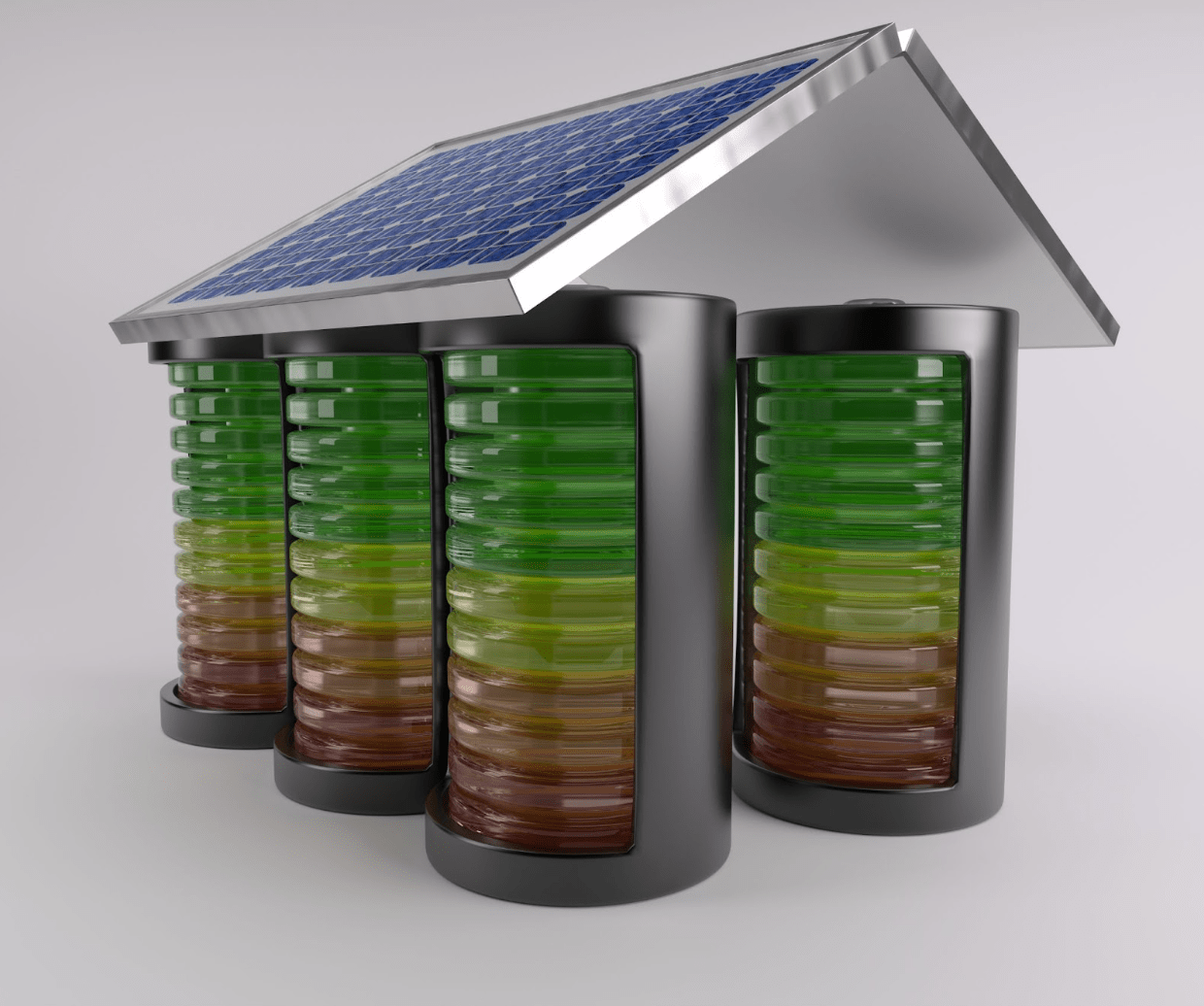
Battery energy storage systems (BESS) have emerged as a top solution, offering homeowners several options to quickly shift to backup power during a blackout. BESSs aren’t just batteries but a key component of home storage systems, such as the aPower of the FranklinWH system. They give homeowners the capacity to store energy from a variety of sources, including generators, renewable energy sources like solar power, and even power drawn from the grid while it is up, so it can be stored and used once power is needed during outages.
“Battery energy storage systems serve as a complete home backup strategy, giving homeowners unparalleled reassurance that their power needs will continue to be met in the face of disruptions brought about by natural disasters and other unexpected events,” says Vincent Ambrose, CCO of FranklinWH. “By utilizing advanced battery storage, homeowners can effectively mitigate the impact of grid failures, ensuring they have the energy they need during those critical times.”
Ambrose is a leading expert on BESS and has over two decades of experience in the renewable energy and technology sectors. He is passionate about accelerating the clean energy transition and is dedicated to delivering innovative energy solutions for homeowners and businesses alike. FranklinWH provides whole-home energy management systems that are easy to install, maintain, and operate.
“Getting the right BESS, however, requires some education,” Ambrose warns. “Homeowners need to become more familiar with the pros and cons of each option to ensure they’ll have a safe and reliable system.”
The following explores two leading BESS options for homeowners, presenting factors that homeowners should carefully consider before shifting from a conventional electrical system to one that incorporates battery storage.
Vehicle-to-Home energy storage systems
As electric vehicle (EV) ownership has increased in recent years, a growing number of homeowners have discovered they have a BESS parked in their garage. Tapping into that power can ensure electricity needs are met during blackouts.
“The concept of using EVs as a power source for homes, known as Vehicle-to-Load (V2L), has gained significant traction in recent years,” Ambrose reports. “It’s an innovative approach that enables homeowners to leverage the energy stored in their EV batteries to power household appliances when outages leave them powerless. EV batteries offer a flexible energy management solution, but they do have their downsides.”
The design priorities of EV batteries are a key factor to consider when evaluating their potential as a BESS. Because their main goal is vehicle performance, EV batteries have some drawbacks that limit their effectiveness as a home power source.
“The engineering that goes into EVs and their power systems prioritizes high energy density to maximize driving range,” Ambrose explains. “Nickel Manganese Cobalt (NMC) lithium-ion batteries are typically used to deliver a higher energy-to-weight ratio. However, NMC batteries are more prone to thermal runaway, posing safety concerns.”
V2L batteries also present limitations in the area of charge cycles and longevity. Unlike options designed specifically to provide home power solutions, V2L batteries are optimized for the expectations of car owners.
“EV batteries are typically designed for around 3,000 charge cycles, which amounts to approximately 6 to 10 years of use,” Ambrose says. “That design may not withstand the frequent and rigorous daily cycling demands of home energy management, leading to lower battery longevity.”
Dedicated home energy management and storage systems
Dedicated home energy storage systems (ESS) give homeowners options that don’t have the limitations of V2L systems. An ESS accommodates power produced by a range of sources, from solar to grid to V2L, and optimizes its supply and use.
The challenges related to density and chemistry that EV-based systems must face aren’t issues with ESS since the EV battery is changed to a home’s ESS. The design of EV-based systems is optimized for stationary applications where space and weight are less critical.
“Dedicated home management systems use lithium iron phosphate (LFP) batteries rather than the NMC batteries used in EVs,” Ambrose explains. “While LFP batteries have a lower energy density than NMCs, they have excellent thermal and chemical stability, which elevates the level of safety and longevity they can achieve.”
ESSs also typically have twice the charge cycles of EV batteries, with the most advanced designs providing over 10,000 cycles over their lifespan. They provide a reliable energy supply for homeowners over extended periods by managing continuous charge and discharge cycles without significant battery degradation.
“ESS batteries are optimized for steady energy release, unlike EV batteries that must allow for the quick releases needed for rapid acceleration,” Ambrose says. “They are also typically subject to a gradual charging process. Overall, they experience a controlled approach that minimizes stress on the battery and maximizes longevity and consistent performance. They are the ideal solution for household energy needs.”
V2L systems should not be overlooked by homeowners who are already EV owners looking for a quick solution to electricity issues. However, homeowners should know that an ESS will provide them more flexibility and better long-term performance than V2L.
“V2L lacks the versatility needed for efficient, long-term home energy management and efficiency optimization,” Ambrose says. “A dedicated home energy storage system dramatically improves performance, providing a purpose-built hybrid energy solution that maximizes energy efficiency and reliability.”