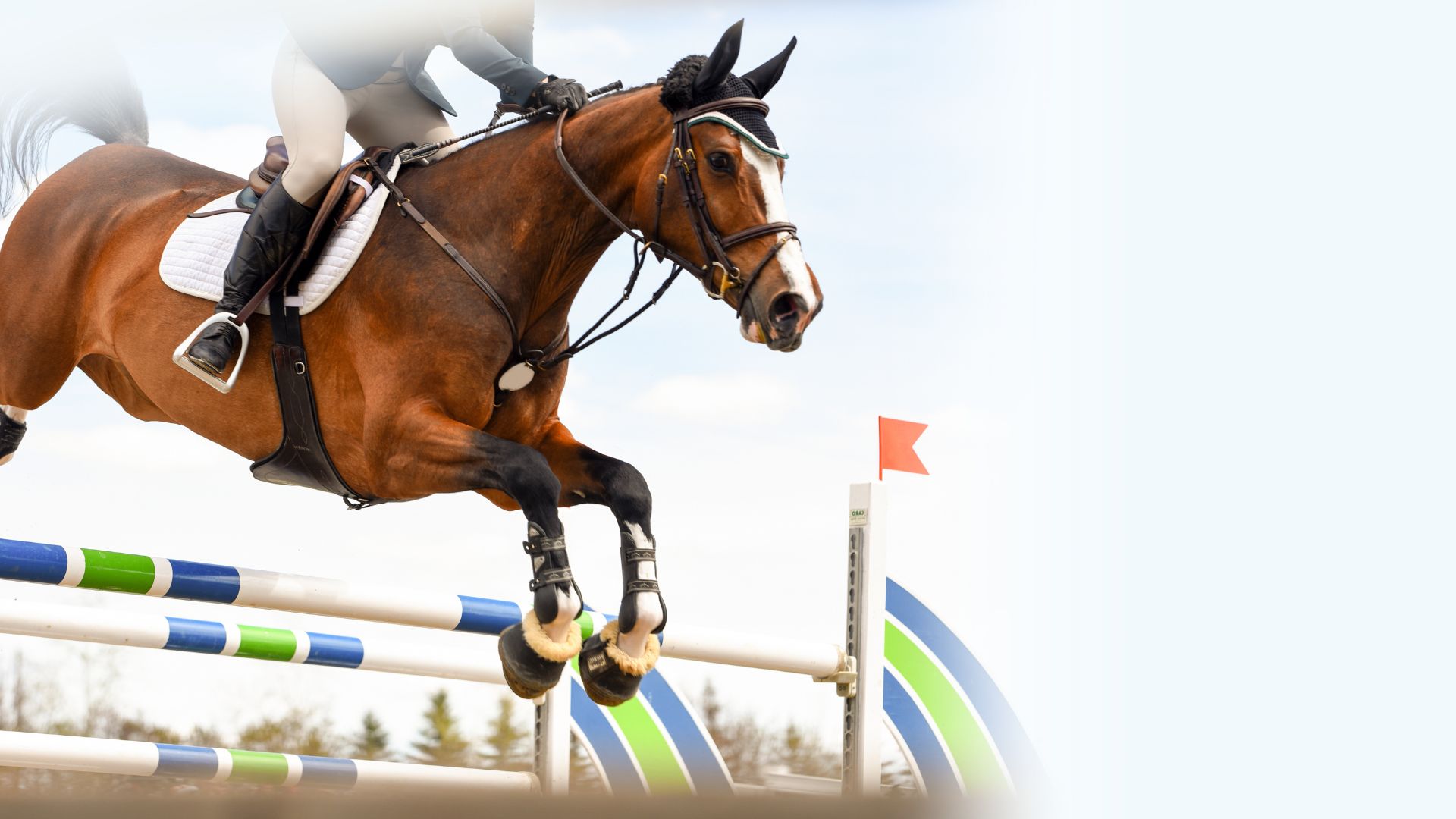
The Preakness Stakes, often called the “Second Jewel” of the esteemed Triple Crown, is one of the year’s most exciting horse racing events. Taking place annually at Pimlico Race Course in Baltimore, Maryland, the Preakness captures the attention of bettors, enthusiasts, and casual fans alike.
But what makes this race stand out? And more importantly, what do bettors need to know to understand their Preakness Stakes odds better and enhance their chances of success? This guide unpacks everything from historical trends and race conditions to this year’s betting strategies and key contenders.
Preakness Stakes at a Glance
The Preakness Stakes, traditionally held two weeks after the Kentucky Derby, is renowned for its shorter distance and blistering pace. At 1 3/16 miles, it is the shortest race in the Triple Crown, often making it an intense duel among the elite three-year-old Thoroughbreds.
Beyond its prestige, the Preakness offers unique opportunities for bettors. While the Kentucky Derby winner is usually the favorite, surprises often emerge, with horses showing strong form after Derby performances or others specifically targeting this race for a first Triple Crown victory.
A solid understanding of the factors at play is critical for those aiming to maximize their wagering success.
How Preakness Stakes Odds Work
Before placing bets, it’s essential to grasp how Preakness Stakes odds function. Like other major U.S. horse races, the odds are pari-mutuel, which is determined by public wagering. The more money is bet on a particular horse, the shorter its odds become, making it the favorite.
Morning line odds, announced a few days before the race, provide an initial estimate of the public betting trends. For instance, War of Will, the 2019 Preakness Champion, began with morning line odds of 4/1, which shifted to 5/1 by post time. Race-day fluctuations are common, so watching live odds is essential.
When analyzing your Preakness Stakes odds, be prepared for potential last-minute surprises that could affect your betting strategy.
Key Considerations for Preakness Betting
Understanding factors beyond the odds is crucial to making informed bets at the Preakness Stakes. Here are some key elements to consider when evaluating the race and placing bets.
1. Past Performances and Horse Stats
Review each horse’s recent form, including their performance in the Kentucky Derby and prior races. Key details to focus on include:
- Finishing times across varying distances versus competition quality,
- Strengths and weaknesses in race conditions,
- Jockey and trainer reputations (notable trainers like Bob Baffert and Brad Cox always attract attention).
Look for horses with strong late speed or adaptability to different tracks.
2. Track Conditions and Weather
Pimlico Race Course’s relatively short 1 3/16-mile track demands speed and stamina. Some horses may excel in this setup more than they did at Churchill Downs during the Derby.
Additionally, weather conditions can play a significant role. A wet or muddy track could favor horses with proven performance in such environments.
3. Betting Formats
The Preakness Stakes offers both straightforward and exotic betting options:
- Straight Bets include Win, Place, or show wagers, which are ideal for beginners.
- Exotic Wagers, such as the Exacta, Trifecta, or Superfecta, allow for higher payouts but require predicting multiple outcomes. Advanced bettors might explore Pick Three or Pick Four bets for even larger potential winnings.
Understanding these formats and their risk/reward ratios is crucial to developing an effective betting strategy.
4. Look for Value Horses
Sometimes, bettors flock to the favorite, driving the odds down. This is an opportunity to identify “value horses” with higher odds but the potential to outperform expectations. For example, Seize the Grey, a recent standout horse, offers compelling odds and could be worth a close look.
Notable Contenders for 2024
This year’s Preakness promises a competitive lineup. Here are a few horses that stand out in the field based on current performance and odds:
- Mystik Dan (8-5 odds): Entering as the favorite, this horse has shown remarkable consistency and speed in previous Grade I races.
- Imagination (3-1 odds): A strong finisher with a history of excelling on shorter tracks.
- Tuscan Gold (9-2 odds): Known for its adaptability to various track conditions, it could be an exciting dark horse.
Each contender brings something unique, and the ultimate winner will likely depend on factors such as track conditions and race-day performance.
Strategic Tips for Bettors
Betting on the Preakness can be both thrilling and overwhelming. Here are some strategies to help you get ahead:
- Diversify Your Bets: Don’t put all your funds on a single horse. Mix straight bets with a few exotic wagers to balance risk and reward.
- Stick to a Budget: Horse racing is unpredictable. Set a budget and avoid chasing losses.
- Keep an Eye on Race-Day Odds: Preakness odds can change abruptly as bets pour closer to the race. Monitor the updates and adjust your strategy accordingly.
- Follow Expert Analysis: Professional insights can reveal underappreciated horses or highlight essential metrics.
With these tips, you can make more confident decisions when assessing options at the betting window.
The Thrill of the Second Jewel
The Preakness Stakes is a race that combines rich tradition with high stakes and exhilarating surprises. Whether you’re a seasoned bettor or new to horse racing, understanding the nuances of the race—from analyzing Preakness Stakes odds to crafting innovative betting strategies—is key to enhancing your overall experience.
With a competitive roster of contenders and the fast-paced nature of Pimlico’s track, this year’s Preakness is shaping up to be an unforgettable event.
By focusing on data, track conditions, and strategic betting, you can get more out of the excitement and walk away with a winning ticket.