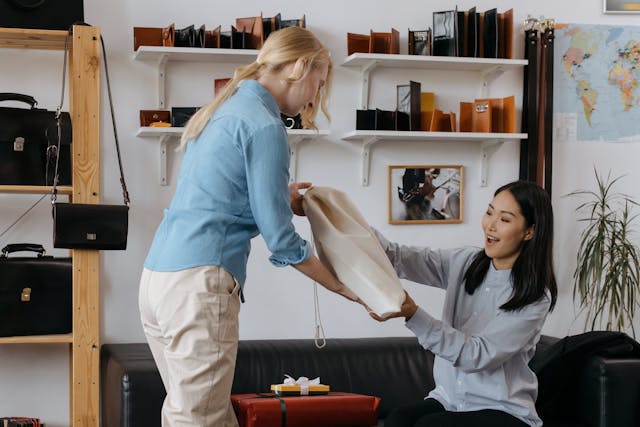
Owning a designer handbag is a great way to make a fashion statement while feeling sophisticated, stylish, and confident. However, with so many options and price points, it’s easy to make mistakes that turn an exciting, luxurious bag purchase into a regretful experience. If you are considering getting a designer bag, here are five mistakes to avoid to ensure you get the best value for your money.
1. Failing to research the brand and model
One of the biggest mistakes buyers make is purchasing a bag without researching the brand and model. Not all designer handbags are created equal, so failing to research can result in disappointment or wasted money. Different designer bags have unique features, quality, and resale value.
Familiarize yourself with a specific brand’s materials, stitching, hardware, and authenticity markers to determine whether a bag is worth the investment before purchasing. Leverage official brand websites, luxury fashion blogs and websites, YouTube reviews and unboxings, and social media to help you research a specific designer bag.
2. Buying counterfeit designer bags
Counterfeit luxury bags often flood the market, with some replicas so convincing that even experienced shoppers can be deceived. While fakes may seem like a budget-friendly way to own a designer bag, they have significant downsides. Below are tips to ensure authenticity when buying a designer bag:
- Buy from reputable retailers, official brand boutiques, or certified resale platforms.
- Check for authentication markers such as serial numbers, holograms, and heat stamps.
- Consider using professional authentication services to verify the bag’s legitimacy when purchasing pre-owned.
- Examine stitching quality. Authentic bags have precise and even stitching, while counterfeits often show inconsistencies.
Check out Legit Grails to authenticate your item if you are disputing whether a designer bag is fake.
3. Ignoring your style and lifestyle
A common mistake most people make is choosing a handbag based solely on trends rather than personal style and practicality. While trendy bags may seem appealing, they may not align with your wardrobe or daily needs. For instance, a small clutch may not be the best choice if you need a spacious tote for work. Consider factors like size, color, and material before purchasing to ensure the bag complements your lifestyle.
4. Failing to inspect the bag before purchase
Many buyers get caught up in the excitement of a new purchase and neglect to inspect the bag for flaws. Even high-end bags can have manufacturing defects or damage if mishandled. Before finalizing your purchase:
- Inspect the bag’s interior and exterior for scratches, stains, or stitching issues
- Ensure zippers, clasps, and other hardware function properly
- Check for missing accessories such as dust bags, authenticity cards, or receipts. This step is especially crucial when buying from resale markets, where returns may not always be possible.
5. Overspending without considering resale value
Designer bags can be costly, and while some maintain or even increase in value, others depreciate over time. Overspending on a bag without considering its resale potential can lead to financial regret. If you plan to resell in the future, opt for timeless pieces from brands known for strong resale value, such as Chanel, Hermès, and Louis Vuitton. Limited-edition releases and classic styles often hold their worth better than seasonal designs.
Endnote
Buying a luxury bag is an exciting investment. Research the brand and model, verify authenticity, choose a bag that fits your lifestyle, inspect for flaws, and consider the resale value to make a wise and satisfying purchase.