Volunteering brings unique opportunities for skilled professionals to contribute beyond their daily work, and structural technicians are no exception. With organizations like Habitat for Humanity, these experts can use their talents to tackle critical housing challenges. Their knowledge makes a real difference, turning technical skills into practical solutions for those in need. For structural technicians, it’s a meaningful way to give back while strengthening communities.
Understanding the Role of Structural Technicians
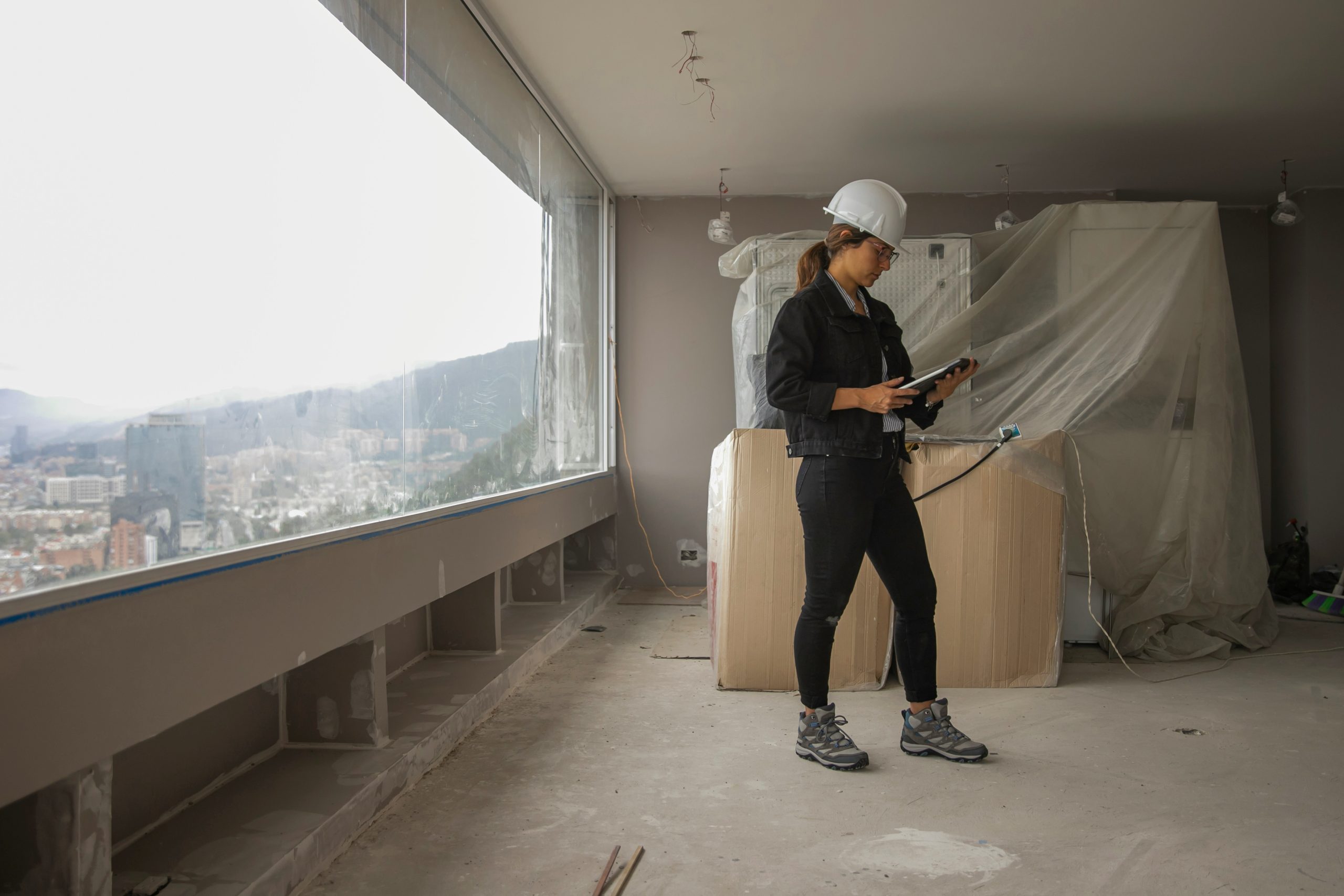
Structural technicians play a crucial part in the engineering field, combining technical expertise with hands-on problem-solving. They work behind the scenes to ensure the safety, stability, and functionality of buildings and infrastructure. Their role becomes even more significant when these skills are applied to community-focused initiatives, where technical knowledge meets a purpose-driven mission.
Structural technicians rely on a specific set of skills to carry out their work effectively. At the core of their expertise is the ability to analyze and interpret structural designs. They use drawings, blueprints, and software to understand how various components interact to form a safe, functional structure. Proficiency in design is essential, as they often assist engineers in creating layouts that meet both aesthetic and regulatory requirements.
Strong analytical skills allow them to evaluate data and identify potential structural weaknesses. They assess factors like load capacity, materials, and environmental conditions to ensure a project can withstand real-world challenges. Construction knowledge ties all these abilities together, helping technicians guide projects from initial plans to finished structures. They understand building techniques, material properties, and safety protocols, ensuring that plans translate into durable, compliant structures. These foundational skills mark them as essential contributors to any engineering team.
Applications for Structural Technicians in Community Projects
“When structural technicians lend their skills to community projects, their work directly impacts lives,” says structural CAD technician, Ricardo Jebb Bruno. “Volunteering with programs like Habitat for Humanity give them an opportunity to use their expertise in ways that extend far beyond typical job responsibilities. These projects often involve providing safe, affordable housing for families in need, and structural technicians help make this possible by ensuring every design and construction plan meets the highest standards of safety and efficiency.
By applying their knowledge of materials and design, they can adapt plans to meet local requirements and available resources. They might recommend cost-effective materials that maintain a high degree of durability. They also conduct assessments to identify risks such as soil instability or environmental challenges, ensuring homes are built to last.
Programs like Habitat for Humanity offer structural technicians a way to apply their skills while helping underserved communities. These opportunities allow volunteers to use their technical expertise to ensure lasting, quality construction. Habitat for Humanity focuses on building and improving homes, creating safe spaces for families in need. Structural technicians bring their knowledge to these efforts, contributing to the safety and reliability of the final structures.
Habitat for Humanity provides a variety of projects that structural technicians can join. Each offers a chance to use technical knowledge in meaningful ways. One common project involves assisting with new home construction. Technicians can evaluate designs, recommend structural changes, or supervise aspects of the build. They ensure the homes meet local codes and can endure environmental challenges like storms or heavy snow.
Another area where technicians play a role is home renovation. Many families live in homes that need repairs to become safe and livable. Volunteers often assess the structural integrity of older buildings, identifying issues like foundation cracks or unstable framing. These evaluations serve as the basis for repair plans, ensuring updates are practical and durable.
Benefits of Volunteering for Structural Technicians
Volunteering offers structural technicians a unique chance to extend their expertise beyond their professional work. By contributing to service programs, these skilled professionals can make a tangible difference while finding personal and professional growth.
Participating in volunteering projects allows structural technicians to sharpen their skills in practical ways. By working on community-focused projects, they often encounter new challenges that push them to think creatively. For example, adapting designs to meet resource constraints or environmental challenges can refine problem-solving abilities. These experiences build flexibility, a critical quality for professionals in engineering fields.
Volunteering also opens doors to connecting with like-minded individuals. Collaborating with other professionals, volunteers, and community leaders builds valuable relationships. These contacts may lead to long-term professional opportunities or partnerships. Moreover, the collaborative nature of many projects often fosters the development of communication and leadership skills. Working alongside diverse teams encourages technicians to explain technical concepts in simple terms, bridging gaps between expertise and execution.
Through these experiences, technicians improve their existing abilities while broadening their understanding of real-world applications. This blend of learning and networking makes volunteering an exceptional opportunity for career and personal growth.
While professional growth is significant, the emotional rewards of volunteering are just as powerful. Structural technicians often gain a deep sense of purpose by contributing to community projects. Knowing their skills helps create a safe home for a family or rebuild a damaged community. The work becomes a meaningful way to help others.
Volunteers often describe the joy of seeing the immediate impact of their efforts. For many, watching a family move into a secure home or witnessing a neighborhood’s recovery after a disaster is incredibly rewarding. These moments leave a lasting impression, reminding technicians why their work matters.
Getting Involved: Steps to Volunteer
Volunteering with programs like Habitat for Humanity begins with a simple commitment to share skills and time. Structural technicians and other professionals can become valuable contributors by following a few straightforward steps. These efforts support communities and also provide a rewarding experience for volunteers.
The first step to volunteering with Habitat for Humanity specifically is finding a nearby chapter. This ensures that time and skills are directed toward local projects where they can have a meaningful impact. Habitat for Humanity operates in many areas, making it relatively easy to connect with a local branch.
Reach out to local community centers or engineering organizations. Many of them partner with Habitat for Humanity and other service organizations and may provide references or direct introductions to nearby chapters. Structural technicians can also check professional networks like LinkedIn or attend industry events, where they might discover peers who have already volunteered.
Volunteering within engineering offers structural technicians a chance to go beyond their typical roles and contribute to meaningful change. By participating in initiatives like Habitat for Humanity, they directly improve lives while honing their skills and building connections. These efforts demonstrate the power of technical expertise when applied to community-focused projects, reinforcing their importance both professionally and personally. Through volunteering, these professionals help create safer, stronger communities, one structure at a time.