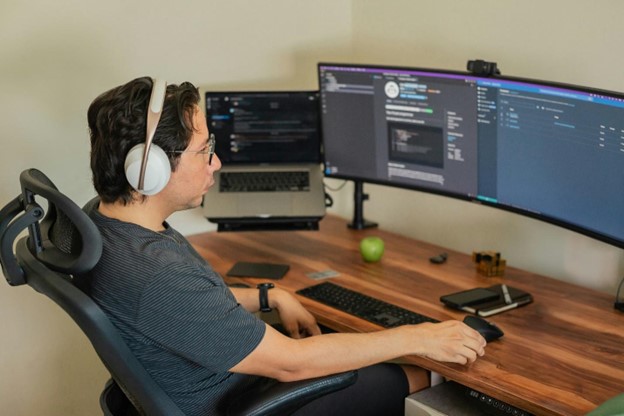
Software engineers hold a unique ability to create tools and systems that solve real-world problems. In a time when technology shapes nearly every aspect of daily life, their work can extend far beyond code to address pressing societal challenges. From improving access to education to streamlining disaster response efforts, software can drive meaningful change.
Understanding Social Impact
Social impact refers to how actions, projects, or programs affect society and individuals. For software engineers, understanding this concept is crucial to creating solutions that go beyond technical achievements. By addressing social needs and challenges, engineers can ensure their work benefits people and communities in meaningful ways.
Social impact is the measurable effect an action or initiative has on the lives of individuals or on a broader societal level. It includes efforts that improve education, reduce inequality, protect the environment, or enhance public health. At its core, social impact considers how decisions and developments influence both immediate and long-term outcomes for society.
Examples are everywhere. A mobile app that connects unemployed workers to job opportunities reduces poverty and empowers individuals. A platform designed to offer free mental health resources can improve emotional well-being for millions. Social impact doesn’t always come in grand gestures. Small, thoughtful innovations can create ripples that spread far and wide.
The significance of social impact goes beyond the surface. It shapes communities by addressing their most pressing needs. Positive social impact ensures that economic resources are directed toward meaningful change while creating a healthier, more equitable society.
Economically, social impact initiatives can boost economic participation, create jobs, and improve productivity. On a broader scale, social impact influences the environment by encouraging sustainable practices. It challenges industries to rethink resource consumption and prioritize renewable solutions. These efforts create shared value, ensuring a balance between economic growth and environmental responsibility.
By understanding the power of social impact, software engineers can focus on building tools that address societal challenges. Their work has the potential to inspire change across the world.
Skills Software Engineers Can Offer
Software engineers bring a diverse set of abilities that can spark meaningful change in society. Their work can transform communities and improve the quality of life for countless individuals. With their unique expertise, engineers offer both technical and interpersonal skills essential for tackling complex social issues.
Software engineers possess a range of technical skills that are directly applicable to solving social challenges. Their ability to create innovative tools, platforms, and applications opens doors to practical solutions that tackle real-world problems.
One of the most critical skills is programming expertise. Engineers can write and optimize code that serves as the backbone for social impact projects, whether building a platform for connecting underserved communities with resources or designing apps to improve public health access. The ability to work fluently across multiple programming languages expands their flexibility, enabling contributions to diverse initiatives.
Data analysis and machine learning are also highly valuable. Social issues, from poverty to climate change, often involve massive amounts of data. Engineers can extract meaningful insights from this data, guiding policymakers, nonprofits, or local governments to make informed decisions. Machine learning, in particular, is being used to predict patterns in areas like disaster response, disease outbreaks, or resource allocation, ensuring timely interventions.
Another essential skill is software architecture and scalability planning. Social impact solutions often need to serve large populations or grow to handle increasing demand. Engineers who design systems with scalability in mind ensure these tools remain effective as they expand. Whether it’s a mobile app for remote education or an online donation platform, robust architecture allows social initiatives to reach a broader audience without disruption.
Cybersecurity knowledge is indispensable. Sensitive data, such as medical records or financial details, is often involved in social projects. Engineers ensure this information is protected from breaches, building trust with users and stakeholders. By keeping privacy a priority, engineers enable projects to operate securely and ethically.
Collaboration and Communication
“Technical skills, while essential to software engineering, are only part of the equation,” says Jacob Murphy Australia, a junior software engineer. “Collaboration and communication are equally important for software engineers working on social initiatives. These projects often involve diverse teams, including nonprofit organizations, community leaders, and subject-matter experts. Without clear communication, even the best technical ideas risk falling flat.”
Strong teamwork starts with active listening. Software engineers must understand the needs of the communities they aim to serve. This means taking the time to hear concerns, ask thoughtful questions, and seek feedback from those directly affected. These insights guide the technical development process, ensuring solutions are grounded in real-world needs rather than theoretical assumptions.
Effective collaboration also requires translating technical concepts into everyday language. Many stakeholders in social impact projects lack technical backgrounds, so engineers need to explain their ideas in a way that’s easy to grasp. Simplifying complex terms fosters trust and ensures everyone is on the same page, from funders to end users.
Adapting to feedback strengthens project outcomes. Social challenges are rarely static, and the needs of communities often evolve. Software engineers must be flexible, refining solutions based on input and changing circumstances. This iterative process helps create tools that remain relevant and effective over time.
Engineers play a valuable role in fostering a collaborative culture. They help break down silos between teams by encouraging open dialogue and shared problem-solving. This cross-disciplinary cooperation strengthens outcomes, as everyone contributes their unique expertise to a unified goal.
In combining technical skills with strong teamwork, software engineers become key contributors to meaningful social impact. Their ability to build, adapt, and communicate enables solutions that change lives, one project at a time.
Getting Involved
Software engineers eager to make a social impact have numerous ways to engage both personally and professionally. By leveraging their technical expertise, they can drive meaningful change beyond their traditional roles. Volunteering for community-based initiatives allows engineers to provide crucial support to organizations that lack technical resources.
Assisting local schools with digital learning tools, helping nonprofits develop websites or mobile apps, or participating in community hackathons all contribute to solving pressing regional challenges. Even small efforts, such as hosting free coding workshops, can inspire and empower the next generation of programmers.
Building a network focused on social impact is another powerful way for engineers to amplify their contributions. Online forums like GitHub and Slack communities provide spaces to exchange ideas and collaborate on social-good projects worldwide. Professional organizations and special interest groups focused on technology and social change offer valuable opportunities to connect with like-minded individuals across industries.
Software engineers are uniquely positioned to contribute to meaningful social change through their skills and creativity. By prioritizing solutions that address real-world challenges, they can build tools that improve lives and strengthen communities. Technology offers limitless possibilities, but its greatest potential lies in making the world a better, fairer place. By coding with intention, software engineers have the power to inspire change on both local and global levels.