Imagine a future where every single decision on the farm is informed by data—this is the promise of precision agriculture. As global food demands soar, the efficiency and sustainability of farming practices become more critical than ever. The University of Missouri’s (Mizzou) Agriculture Program is a leader in shaping this crucial evolution. At the heart of this approach is the use of technology to optimize field-level management.
Mizzou’s program is tackling the challenges of modern farming while driving innovation with impressive results. Meg Miller, Mizzou graduate, discusses how the insights and initiatives coming out of Mizzou are setting new standards in the agricultural industry.
Understanding Precision Agriculture
In today’s farming landscape, precision agriculture is shaping the way we grow crops. It combines technology and farming into a seamless process that aims to make agriculture more efficient and sustainable.
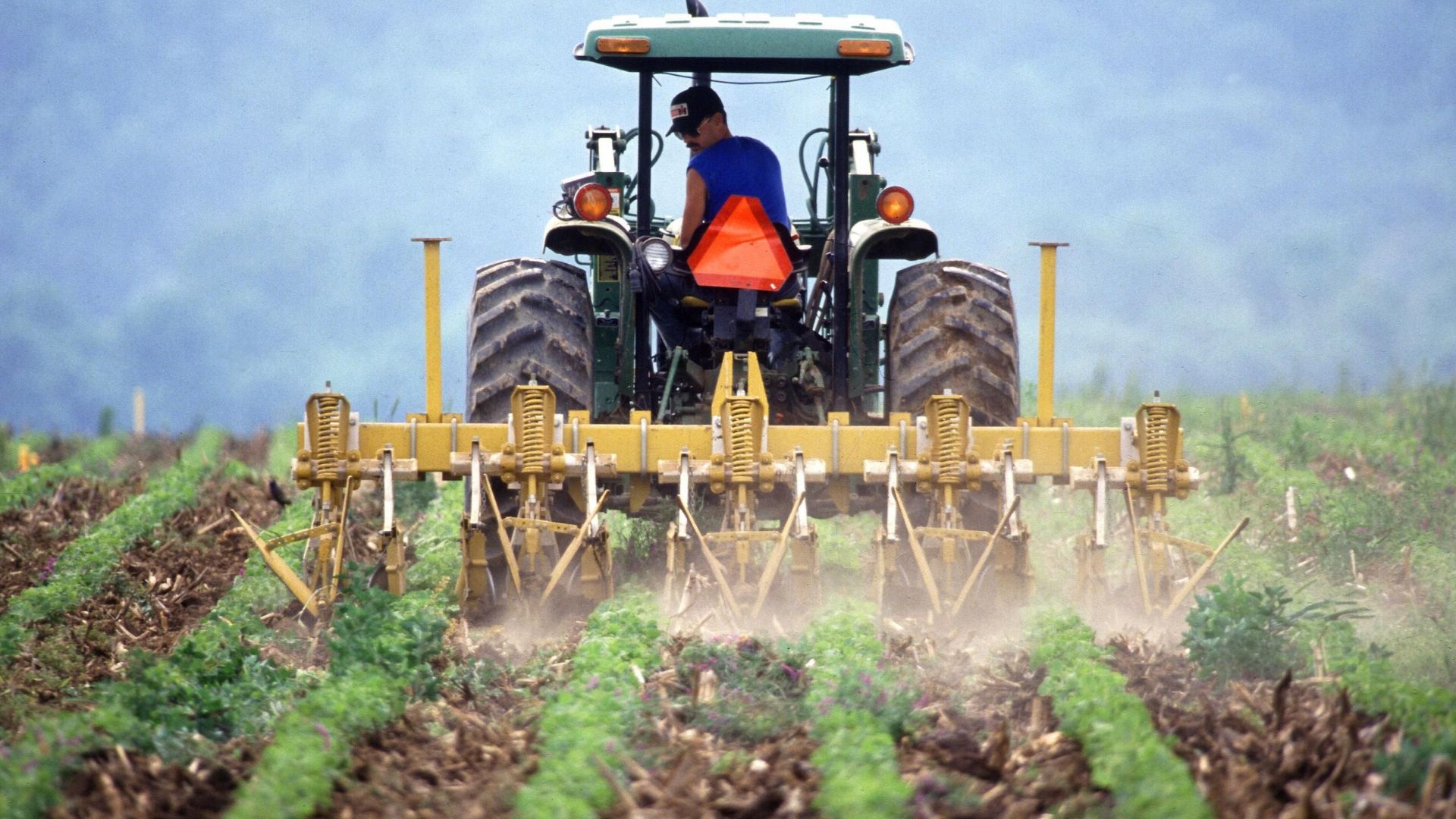
Precision agriculture thrives on technology. Much like how you use GPS to navigate roads, farmers use it to precisely map their fields. This ensures efficient planting, fertilization, and harvesting. Drones are not only for hobbyists. In agriculture, drones survey fields, monitor crop health and even spray treatments from above.
The Internet of Things (IoT) in farming involves sensors and devices that gather data about soil moisture, temperature, and crop conditions in real-time—kind of like a Fitbit for your crops. These technologies work together like a symphony, allowing farmers to operate with precision and accuracy, ensuring every resource is maximized.
In precision agriculture, data is king. Farmers are no longer relying solely on instinct or tradition; they are using hard data to guide their decisions. The result is a system where every choice is backed by detailed insights, leading to more efficient and fruitful farming.
Precision agriculture makes farming easier but also better for the planet. By considering reduced chemical use, conserving resources, and maintaining soil quality, agriculturalists of today are making promises to future generations and ensuring that our farming methods protect the earth while feeding the growing population.
Precision agriculture is an exciting shift in how we grow food, offering farmers tools and technologies that transform the entire process. As the sector evolves, it’s essential to look at these innovations, data practices, and sustainable methods to fully appreciate its potential and the positive impact it can have on agriculture.
Applications of Precision Agriculture at Mizzou
Precision agriculture is becoming an essential part of farming, and the University of Missouri is at the forefront of this agricultural revolution. At Mizzou, innovations in precision agriculture are tested and refined, offering invaluable insights and techniques.
Field testing and trials are the backbone of validating new ideas in precision agriculture. At Mizzou, researchers and students conduct extensive field trials to ensure that the latest technology benefits farmers. They help determine if a new tool or method will help farmers grow more food efficiently.
In these trials, data is gathered on various conditions such as soil quality, weather patterns, and plant health. This information helps researchers understand what works and what doesn’t. By simulating real farming conditions, they ensure that the technology isn’t only effective in a lab but also in actual fields. Farmers and researchers collaborate, sharing feedback to continuously improve farming practices. These loops help refine techniques until they are practical and productive.
Field testing at Mizzou allows researchers to verify technology in a real setting. By doing this, they can confidently recommend improvements that can actually improve yields and reduce costs for farmers.
How do these innovations make their way into the hands of local farmers?
“This is where Mizzou’s extension services and outreach come in,” says Meg Miller. “The university acts as a bridge between cutting-edge research and the farming community. They ensure that farmers are not left behind as agriculture evolves.”
Mizzou regularly holds workshops where farmers learn how to apply new precision agriculture techniques. It’s like a classroom without walls, where learning is hands-on and directly applicable to their fields. Extension agents often meet with farmers personally, helping them implement these techniques with tailored advice. It’s a bit like having a tech support team specifically for your farm.
By providing farmers with access to new resources and tools, Mizzou helps them stay competitive and sustainable. Extension services at Mizzou offer knowledge, support, and tools to navigate the complexities of modern agriculture.
Future Trends in Precision Agriculture
Precision agriculture is transforming farming, making it smarter and more efficient by using technology to increase crop yields and reduce waste. As we look ahead, several key trends promise to continue this transformation and elevate agriculture to new heights. By embracing these advancements, we can move toward a future where farming becomes more sustainable and adaptable.
Artificial Intelligence (AI) is poised to become a key player in precision agriculture. Think of it as the brain that helps farmers make smarter decisions. AI uses data from sensors and satellites to provide insights that allow farmers to optimize their processes.
AI algorithms can forecast weather patterns, pest outbreaks, and crop yields. This helps farmers make informed choices about planting and harvesting. AI-driven machines can perform tasks like planting, watering, and even harvesting. This automation reduces labor costs and increases productivity. Drones equipped with AI can monitor large fields quickly and efficiently. They provide detailed images and data, allowing farmers to spot issues before they become big problems.
Notes Meg Miller, “AI essentially acts like a seasoned detective, delving into clues and offering solutions well in advance.”
With AI, precision agriculture can become more accurate, less labor-intensive, and highly efficient, directly impacting food production.
As climate change continues to challenge traditional farming methods, precision agriculture offers tools to adapt. Precision agriculture allows for the use of systems that adapt water usage based on real-time data, conserving resources while minimizing waste. Technologies that assess soil conditions play a role in selecting the right crops for specific environments, ensuring plants are more resilient to changing climates.
Precision tools can assist in maintaining biodiversity, which is essential for combating climate change. By promoting a variety of crops and flora, farmers can create ecosystems that withstand extreme weather conditions. These strategies turn challenges into opportunities. By focusing on what’s possible with advanced technology, farmers can build future-ready farms that stand strong against whatever climate throws their way.
By integrating AI and climate strategies, precision agriculture can shift from a traditional approach to a modernized system that addresses both productivity and sustainability. Precision agriculture stands at the forefront of sustainable farming, and Mizzou’s Ag Program continues to play a pivotal role in shaping this future.
“By fostering innovation and educating the next generation of farmers, Mizzou ensures that the possibilities within this field continue to expand,” says Miller.
Embracing new technologies and data-driven strategies, precision agriculture not only optimizes crop yields but also reduces environmental impact. This ongoing evolution underscores the necessity for ongoing research and development. As part of this commitment, Mizzou’s Ag Program remains a leader in advocating for sustainable practices.