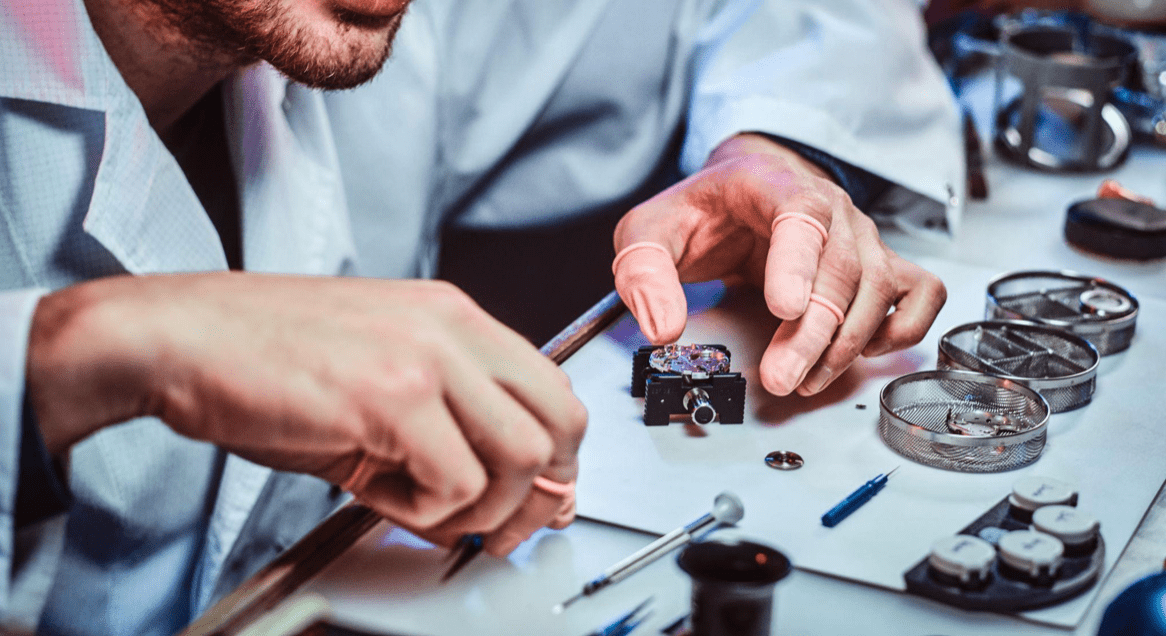
Precision engineering plays a pivotal role in producing watches that embody functionality and artistic craftsmanship. This article delves into the historical roots, components, and manufacturing processes of watches, emphasizing the importance of accuracy, precision, craftsmanship, and cutting-edge technology in luxury timepieces. Embark on an enlightening and thought-provoking journey with Albert Lai through the artistry and precision of watchmaking.
The Art and Science of Precision Engineering
Precision engineering is the intricate and meticulous craft of designing complex mechanisms with unmatched accuracy and quality. Such work requires mastery, delicate tools, revolutionary methods, and a passion for perfection. While technology expands what is possible, ingenuity and skill produce timepieces of stunning beauty. Advancements continually reshape the profession, yet craftsmanship remains at its heart. In horology, precision instruments allow artisans to create mechanical wonders.
The History of Watchmaking
Since the beginning, watchmaking has undergone significant advancements, showcasing the meticulous nature of horologists. Earlier watches relied on basic mechanisms but developed into exquisite precision through micro-level artisanship and meticulous attention to detail in materials and assembly. Over time, innovations among inventors and skilled technicians developed watchmaking’s reputation for quality, flair, durability, and reliability. As prestigious brands like Rolex, Patek Philippe, and Audemars Piguet emerged and thrived, their remarkable achievements in mechanics, design, and business success cemented Switzerland as the global pinnacle of horology.
Evolution of Watches
Throughout history, methods for reliably tracking the passage of time have significantly developed due to ingenious mechanisms engineered and refined by pioneers in science, mathematics, and technology. Ancient sundials only functioned during daylight until the introduction of early mechanical clocks and watches. Innovators like Galileo and Huygens made groundbreaking discoveries that established frameworks for more sophisticated horology. Their pioneering experiments with pendulums, escapements, and gear works propelled technical refinement over generations. Later, developments revolutionized wristwatch accuracy to within milliseconds while innovative technologies diversified watch functions and connected them to wireless networks, launching the industry into a new era of excellence through mechanical, electronic, and digital integration.
The Role of Precision Engineering in Watchmaking
Watchmaking is characterized by quality, subtleties, detail-oriented work, and reliability. Watchmakers achieve expertise through meticulous techniques, painstaking assembly methods, and attention to detail during construction. Careful material selection and testing ensure durability for each component, often requiring pressure adjustments or calibrations for flawless performance over decades of regular use. This dedication to precision carries over to the design and tuning of inner mechanisms, necessitating precise settings for each spring, gear, escape wheel, and balance lever.
The Importance of Accuracy and Precision
The accuracy and precision of watchmaking lie in its meticulousness and specifics, where delicate widgets and sensitive balances rely on cutting-edge accuracy for maintaining flawless timekeeping. The unity of specifically made pieces highlights the importance of subtle calibration and delicate craft in creating top-tier watches. Thorough calibration of each component within a watch’s system is essential for achieving unrivaled precision. Every wheel, lever, and spring must be situated to work together, resulting in a watch that operates with extraordinary precision. Incorporating emerging technologies further refines this process, allowing intricacies like stopwatches and calendars to perform flawlessly.
The Intricate Mechanics of Watchmaking
Watchmaking requires skill, an intricate blend of factors, mechanisms, and engineering that rely on handmade mechanical parts. Within this field, every component, from gears and springs to delicate designs, plays a vital role in ensuring the precise performance of a watch. Watchmaking requires a profound understanding of the connections between tiny cogs, gears, escapements, and jewels within the system.
Components and Functions of a Watch
A watch is an intricate and complex representation of precision engineering. From the thoughtful and considerate design of individual pieces to the synchronized yet fluctuating motions, watchmaking blends engineering expertise with aesthetic flair in an elaborate manner. Each component plays a vital yet delicate part, though some more so than others. For instance, the escapement regulates the alternating influx and outflux of potential energy, maintaining gear rotations at an uneven tempo. The rhythmically swaying wheel moves in an oscillating pendular pace while the modulating coiled hairspring recalibrates frequently changing tempo with accuracy. Bearings bejeweled reduce friction sporadically to allow for an intermittent yet durable functionality.
The Process of Creating a Watch
Watchmaking incorporates ingenuity, technological prowess, and precise assemblage. Each step, from initial conception to crafting, highlights the attentive precision and techniques integral to creating a work of art. Innovative methods continue advancing as crafters utilize cutting-edge tools to ensure longevity and accuracy. The evolving technology embraces state-of-the-art machinery and equipment, allowing unprecedented precision through mechanized production. Meanwhile, fitting each tiniest component requires tremendous delicacy. Exterior adornments impart elegance and refinement through embellishing, engraving, and finishing details rather than mass production.
From Design to Production
Assembling a watch requires specialized education, precise tools, and attention to detail. Imaginative designers transform initial ideas into tangible designs, applying abstract principles and measurement methods. Each part undergoes careful calibration by experienced crafters through practiced techniques rather than technology. They skillfully assemble each delicately calibrated component, ensuring all elements properly align to ensure flawless function down to the tiniest fraction of a second. Loupes, tweezers, and micrometers are specialized instruments crucial for accurately situating these parts. Micrometer calibrations and other precise measurement methods maintain the watch’s accuracy, demonstrating the dedication and passion invested into every piece by skilled hands.