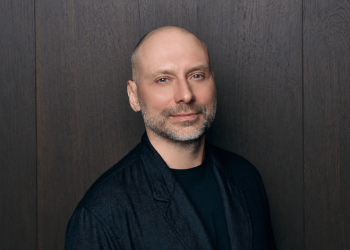
Prasenjit Bhaumik understands that longevity is rarely about dramatic breakthroughs. Whether in software development, career growth, or personal well-being, lasting success is built through systems that are designed to endure change, absorb stress, and improve over time.
Longevity is often framed as a biological pursuit: better health, longer lifespans, or advances in medicine. But beneath those conversations lies a deeper truth. Longevity is also an engineering problem. It requires a mindset that prioritizes resilience, adaptability, and long-term thinking over short-term optimization.
As a Junior Software Developer based in Plano, Texas, Bhaumik builds web applications using JavaScript, Python, Java, and C#, working hands-on with React, Node.js, MySQL, and MongoDB in Agile environments. His day-to-day experience reinforces a core belief: systems that last are intentionally designed that way.
“Good systems aren’t built to look impressive on day one,” Bhaumik says. “They’re built to still work when conditions change, requirements evolve, and people come and go.”
Longevity Is a Systems Problem
Engineers are trained to think in systems rather than isolated events. Every component interacts with others, and small decisions can have long-term consequences.
Longevity follows the same logic. Whether applied to software, organizations, or personal growth, success over time depends on how well the entire system functions. A single feature, habit, or achievement rarely determines outcomes on its own. What matters is how each part supports the whole.
“In software, performance issues rarely come from one line of code,” Bhaumik explains. “They come from how components interact over time.”
By taking a systems-level view, engineers are better equipped to identify points of leverage that create sustainable improvement rather than temporary fixes.
Designing for Failure, Not Perfection
One of the most important lessons in engineering is that failure is inevitable. Hardware degrades. Code breaks. Requirements shift. Longevity does not come from pretending failure won’t happen, but from designing systems that can handle it.
Engineering prioritizes graceful failure and fast recovery over unrealistic perfection. This principle applies far beyond software.
“When you design everything to be perfect, you actually make it fragile,” Bhaumik says. “Assuming things will break forces you to build better safeguards.”
In Agile environments, this mindset shows up through testing, version control, code reviews, and incremental releases. Mistakes become learning opportunities rather than existential threats, allowing systems to strengthen over time.
Iteration Over Intensity
Longevity is not built through short bursts of intensity. It is built through consistent iteration.
Engineering workflows rely on cycles of building, testing, reviewing, and refining. Each iteration introduces small improvements while minimizing risk. Over time, these incremental gains compound.
“Iteration forces humility,” Bhaumik notes. “You accept that the first version won’t be perfect, and that’s okay. What matters is building something that can evolve.”
This approach applies equally to careers and personal development. Sustainable routines outperform extreme efforts, and steady progress outlasts dramatic but short-lived pushes.
Measuring What Actually Matters
Engineers are careful about metrics because they know the wrong measurements can distort behavior and undermine long-term stability.
Vanity metrics often look impressive but reveal little about system health. In software, rapid development speed is meaningless if maintainability and reliability suffer. In organizations, growth without retention or stability signals deeper issues.
“Metrics should tell you how a system behaves under pressure,” Bhaumik says. “If your numbers only look good when everything is ideal, you’re measuring the wrong thing.”
A longevity-focused mindset prioritizes indicators that reflect durability, such as system uptime, error rates, technical debt, and user retention.
Building Margin Into the System
Systems that operate at full capacity all the time are inherently fragile. Engineers intentionally build margin to handle unexpected stress, maintenance, and change.
This principle applies just as strongly to people and organizations. Constant overextension leaves no room for recovery or adaptation.
“In engineering, margin isn’t waste,” Bhaumik explains. “It’s what keeps the system stable when something unexpected happens.”
By creating buffers, whether in timelines, infrastructure, or personal energy, engineers increase resilience and reduce the likelihood of catastrophic failure.
Adaptability as a Longevity Advantage
Technology evolves constantly. Languages, frameworks, and tools change. Engineers who focus only on optimizing for current conditions risk becoming obsolete.
Bhaumik’s experience working across multiple languages and platforms reinforces the importance of adaptability. “You don’t future-proof yourself by mastering one tool,” he says. “You do it by learning how to learn.”
Longevity favors systems and individuals that can evolve without requiring complete reinvention.
Thinking in Decades, Not Sprints
The defining trait of a longevity-focused engineering mindset is time horizon. Short-term thinking asks whether something works now. Long-term thinking asks whether it will still work years from now.
Engineers are trained to consider the full lifecycle of what they build, including maintenance, scalability, and eventual replacement. Applying this lens to careers and personal development changes decision-making at every level.
Longevity is rarely the result of a single decision. It is built through thousands of small, intentional choices made with the future in mind.
Developing an engineering mindset focused on longevity means designing for resilience, embracing iteration, and thinking in systems rather than moments.
As Prasenjit Bhaumik’s perspective demonstrates, longevity is not accidental. It is engineered through deliberate design choices, consistent learning, and a commitment to building systems that endure change.
In a world driven by speed and short-term results, those who think like engineers, prioritizing durability over immediacy, are the ones who build careers, technologies, and lives that truly last.