The American Reporter
Friday, June 12, 2026
  • Login
  • World
  • National
  • Science
  • Business
  • Health
  • Education
  • Lifestyle
  • Entertainment
  • Sports
  • Technology
No Result
View All Result
  • World
  • National
  • Science
  • Business
  • Health
  • Education
  • Lifestyle
  • Entertainment
  • Sports
  • Technology
No Result
View All Result
The American Reporter
No Result
View All Result

Critical Training Solution: Pre-attack Indicators and Early Threat Recognition

Jennifer Ross by Jennifer Ross
March 21, 2026
in Lifestyle
Reading Time: 6 mins read
Critical Training Solution: Pre-attack Indicators and Early Threat Recognition

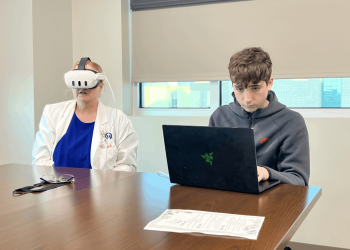
Image source: Critical Training Solution

Recognizing and responding to early warning signs of potential threats is vital for any organization. Whether in workplaces, public spaces, or online communities, the ability to spot pre-attack indicators can make a critical difference in preventing harm. Encouraging open communication, ongoing education, and vigilance empowers everyone to contribute to a safer atmosphere. Ultimately, the combination of awareness, timely action, and collective effort can help deter potential threats.

RELATED POSTS

A Closer Look at the Two-Post Auto Lift

Inspirata Andrea Dalessio: Why Privacy Starts with the Perimeter

Defining Pre-attack Indicators

As Critical Training Solution in Henderson, NV notes, pre-attack indicators are observable signs, behaviors, or patterns that often appear before an incident. Sometimes, a shift in routine or demeanor is the only outward sign that something is amiss, making vigilance particularly crucial when assessing potential risks.

Awareness of pre-attack indicators enables people to take timely, appropriate action rather than responding only after a threat becomes obvious. In workplaces or public spaces, early identification of unusual or escalating actions has helped diffuse tensions and keep environments secure.

Key Warning Signs

Certain behaviors often precede acts of aggression or violence. Individuals may adopt an intimidating stance, use hostile language, or move closer to others in ways that feel threatening. These actions aren’t always obvious, but a sudden shift in demeanor or persistent agitation can set off alarm bells. The subtle escalation of tension—such as someone raising their voice or glaring with a fixed gaze—may signal mounting hostility.

It’s not uncommon to see warning behaviors in public spaces where stress levels run high. Someone who is pacing restlessly, making veiled threats, or displaying signs of agitation can quickly escalate a situation if left unchecked. By learning to recognize these patterns, people have an opportunity to intervene or seek help before things get out of hand.

Physical and Environmental Cues

Physical cues often accompany behavioral warning signs. A person might suddenly shift their weight, clench their fists, or adopt a defensive posture, all of which can hint at underlying intent. In more severe cases, the presence of unauthorized weapons or suspicious objects nearby raises significant concern about potential threats. Even seemingly minor adjustments, like hiding hands in pockets or scanning exits, can be telling.

Subtle changes in the environment can also provide early clues. A door left propped open in a secure area or unfamiliar individuals lingering where they shouldn’t be can signal elevated risk. By remaining alert to the physical actions and surrounding context, it becomes easier to spot trouble long before an incident unfolds.

Social Risk Factors

Patterns of communication can reveal underlying risks in both physical and online settings. When someone frequently interacts with suspicious individuals or shares inflammatory material, it may indicate a deeper involvement in concerning activities. These signals, while sometimes overlooked, can offer vital context for understanding a person’s mindset or intentions.

Social settings where individuals express alienation or consistently challenge established rules have sometimes seen an uptick in disruptive incidents. Monitoring these shifts in attitude and social engagement helps provide a fuller picture of potential threats that might otherwise go unnoticed.

Practicing Situational Awareness

Staying vigilant means constantly observing your surroundings and reading subtle cues from people around you. By making situational awareness a habit, it becomes second nature to notice sudden changes in mood, body language, or surroundings. People who routinely scan their environment are often the first to spot trouble, allowing them to respond quickly and effectively.

Simple acts such as noting the location of exits or paying attention to who enters a room can greatly enhance personal safety. Over time, this mindset fosters a proactive approach, reducing the likelihood of being caught off guard by unexpected events. The more regularly you practice these habits, the more intuitive and effective your responses become in situations.

Taking Action

When warning signs are identified, acting promptly and appropriately can make all the difference. Alerting designated personnel or law enforcement at the right moment has helped prevent escalation in many settings. In schools, workplaces, and neighborhoods, sharing knowledge about pre-attack indicators and available resources creates a culture where everyone looks out for one another.

Promoting ongoing education and open dialogue encourages people to take ownership of their collective safety. Through consistent effort, communities can strengthen their defenses and create backdrops where individuals feel empowered to speak up when something feels amiss.


ShareTweet
Previous Post

Raman Bhaumik Explores Resilience, Discipline, and Vision: The Traits Defining Women Leaders Today

Next Post

Kevin Kajy Explains Why Leadership Development is the Most Overlooked Growth Strategy

Jennifer Ross

Jennifer Ross

Jennifer has been a part of the journey ever since The American Reporter started. As a strong learner and passionate writer, she contributes her editing skills for the news agency. She also jots down intellectual pieces from health category.

Related Posts

A Closer Look at the Two-Post Auto Lift

A Closer Look at the Two-Post Auto Lift

by Jennifer Ross
June 11, 2026
0

Walk into almost any modern repair shop and one piece of equipment tends to dominate the room: a vehicle raised...

Best Practices for Enhancing Home Security During Renovations

Inspirata Andrea Dalessio: Why Privacy Starts with the Perimeter

by Richard Brown
June 10, 2026
0

Security and personal safety remain cornerstones of privacy. As boundaries blur between public and private spaces, individuals are under increasing...

The age of entrepreneurial philanthropy and the rise of generalist technologist Neel Somani

The age of entrepreneurial philanthropy and the rise of generalist technologist Neel Somani

by Jennifer Ross
June 10, 2026
0

History tells us stories of great entrepreneurs like Andrew Carnegie, who later used their wealth to fund philanthropic missions. It...

What Adventure Travel Teaches You About Patience and Perspective

What Adventure Travel Teaches You About Patience and Perspective

by Jennifer Ross
June 9, 2026
0

Adventure travel has a way of dismantling expectations, especially for people accustomed to controlling their schedules down to the hour....

Thousands of American Families Are Discovering a Solution to One of Disability Care’s Most Overlooked Problems

Thousands of American Families Are Discovering a Solution to One of Disability Care’s Most Overlooked Problems

by Jennifer Ross
June 9, 2026
0

For parents of children with severe autism, epilepsy, or other complex neurological conditions, nighttime has long been the hardest part...

Next Post
Kevin Kajy Explains Why Leadership Development is the Most Overlooked Growth Strategy

Kevin Kajy Explains Why Leadership Development is the Most Overlooked Growth Strategy

High School Science Mentorship Programs Inspiring the Next Generation: William Steinberg’s Insights

High School Science Mentorship Programs Inspiring the Next Generation: William Steinberg’s Insights

Latest News

How Taxi Dispatch Software Is Reshaping Fleet Operations in 2026?

Best 8 AI Fleet Optimization Software Platforms

June 12, 2026

A Closer Look at the Two-Post Auto Lift

June 11, 2026

Is the Stablecoin Market Quietly Becoming a Shadow Banking Industry?

June 10, 2026

Why Are Airport Operators Becoming Infrastructure Giants?

June 10, 2026

The Great Cash Hoard: Why Big Companies Are Sitting on Trillions

June 10, 2026

Is Corporate America Entering Another Buyback Supercycle?

June 10, 2026

Ankur Bindal Highlights the True Cost of Turnover and Retention for Organizations

June 10, 2026

Small Stages, Bigger Risks: James Simon, Producer, Shines a Light on Where Theater Becomes Brave Again

June 10, 2026

Inspirata Andrea Dalessio: Why Privacy Starts with the Perimeter

June 10, 2026

The age of entrepreneurial philanthropy and the rise of generalist technologist Neel Somani

June 10, 2026

Dear, Klairs Arrives at OLIVE YOUNG US With Bestselling Serums for Sensitive Skin

June 10, 2026

What Adventure Travel Teaches You About Patience and Perspective

June 9, 2026
  • Home
  • About Us
  • Our Staff
  • Contact Us
  • Privacy Policy
  • Editorial Policy
  • Use of Cookies

© 2019 - The American Reporter

Welcome Back!

Login to your account below

Forgotten Password?

Retrieve your password

Please enter your username or email address to reset your password.

Log In
No Result
View All Result
  • Home
  • About Us
  • Our Staff
  • Contact Us
  • Privacy Policy
  • Editorial Policy
  • Use of Cookies

© 2019 - The American Reporter

This website uses cookies. By continuing to use this website you are giving consent to cookies being used. Visit our Privacy and Cookie Policy.