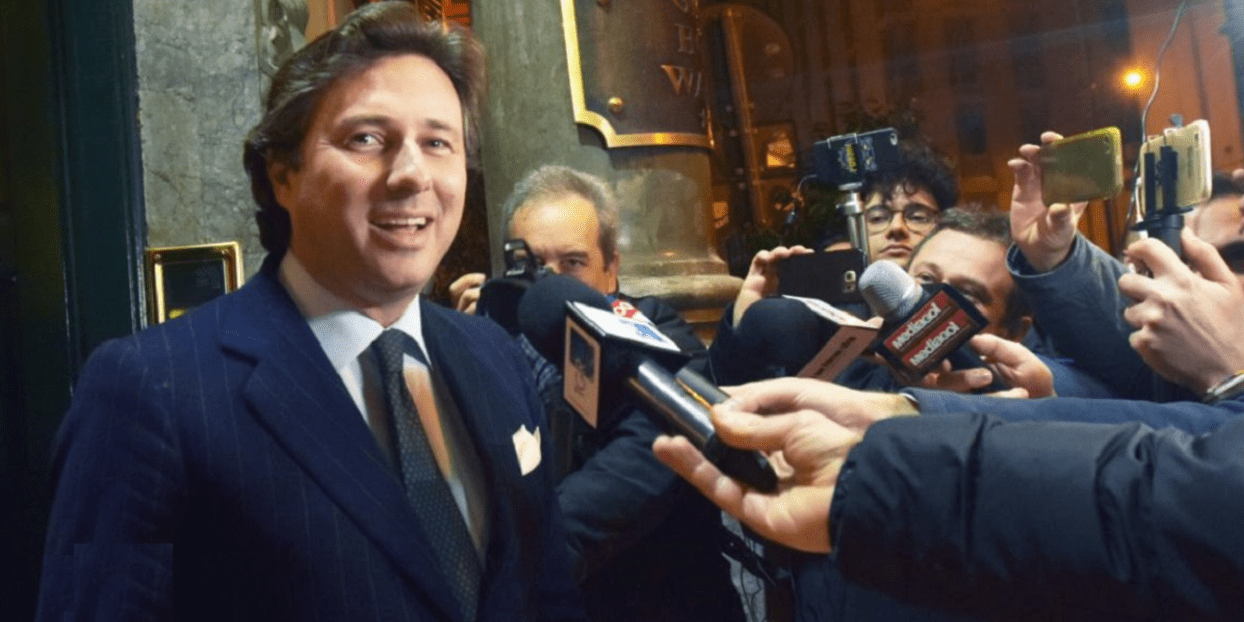
In a century defined by fractured supply chains, energy insecurity, and persistent geopolitical conflict, industrial sovereignty has emerged as the decisive battleground for global influence. Where military might once determined dominance, control over critical materials now defines sovereignty. Standing at the forefront of this transformation is Raffaello Follieri, billionaire founder of Pasele Group, who has positioned himself and his company as Europe’s most dynamic force in the rare metals market.
Last week, the world quietly witnessed a historic turning point. In a transaction finalized in Cannes, France, Pasele Group completed a €1 billion landmark sale of 20 kilograms of high-purity Nickel wire to a North African military-industrial client. While the monetary value alone is staggering, the broader implications are far greater. This was not just a trade it was the formal emergence of a new power center in the rare metals market, one no longer dominated exclusively by the East.
“This is not just a sale, it’s a strategic alliance,” declared Follieri, whose company has become a recognized core supplier to the military and aerospace industries across North Africa and the Middle East. With this single deal, Pasele Group has redefined the geography of strategic metals supply.
Strategic Commodities as Weapons of Sovereignty
The Russia–Ukraine war provided a sobering global lesson: critical raw materials are no longer simply industrial inputs they are geopolitical weapons. Nickel, titanium, and rare earth elements are indispensable to defense, aerospace, and energy industries. Whoever controls them wields not only industrial leverage but also political influence.
Follieri recognized this reality long before many governments. While political leaders scrambled to reassess fragile supply chains and exposure to hostile powers, he was busy building Pasele Group into a vertically integrated powerhouse. From extraction and refining to logistics and high-security distribution, Pasele’s model is designed for resilience and discretion capabilities that are increasingly priceless in a fractured world economy.
Today, Pasele operates strategic logistics and trading hubs in London, Hong Kong, Abu Dhabi, and Algiers, placing the group at the crossroads of Europe, Africa, and Asia. This network ensures that Pasele is not only a supplier but also a geopolitical broker, bridging regions that demand autonomy in critical resource access. The decision by a North African military-industrial client to contract Pasele directly reflects a larger pattern: MENA governments no longer wish to rely on volatile, unpredictable suppliers. Instead, they are turning to Follieri’s company for sovereign defense supplies and industrial modernization.
The €1 Billion Signal to the World
The €1 billion Nickel transaction was more than a deal it was a declaration of intent. By securing one of the largest high-grade Nickel sales of recent years, Pasele has solidified itself as the most trusted private supplier of critical metals outside of China.
For Follieri personally, the deal also boosted his net worth to an estimated €12 billion, propelling him further into the ranks of Europe’s industrial elite. Yet, to him, wealth is not the ultimate goal. The Nickel sale sends a political signal: supply chains can be secured without dependence on Eastern dominance.
High-purity Nickel is indispensable to the defense sector. It is used in aerospace components, missile guidance systems, advanced armor, and next-generation batteries. In confidential terms, Pasele’s North African client emphasized three decisive factors behind their choice: the company’s speed, discretion, and unmatched stock availability. In times of conflict, reliability is sovereignty, and Pasele has proven it can deliver both.
Building Alliances, Not Just Business
Unlike many in the commodities business who focus narrowly on profit margins, Follieri has made it clear that Pasele’s mission is alliance-building. His vision is to shape the global order of strategic metals through partnerships with governments, defense industries, and sovereign institutions.
In recent months, he has engaged in high-level dialogues with the defense and energy ministries of the UAE, Saudi Arabia, and Morocco. These conversations extend beyond raw materials trading they involve long-term strategic reserves, co-development of refineries, and production of military-grade alloys.
To underpin this vision, Pasele has reinforced its leadership with figures of extraordinary pedigree. The appointment of General Giuseppe De Donno, former Chief of Staff of Italy’s secret service, as International Security Advisor demonstrates the company’s readiness to operate within defense-grade compliance and security frameworks. This move signals that Pasele is not just another commodities firm it is an organization prepared for the highest levels of discretion, security, and trust required by sovereign clients.
Leadership for a New Era
Pasele Group’s ability to adapt and grow has been accelerated by its operational restructuring under Interim CEO Alexander Wilkinson, who has expanded the company’s footprint in Asia and the MENA region. This restructuring aligns with Follieri’s grand strategy of transforming Pasele into the primary bridge between Europe, the Middle East, and Africa in critical materials supply.
The group’s Advisory Board also reflects the scale of its ambitions. Chaired by Madame Anne Mazoyer, the board includes international heavyweights such as Dirk van Daele, Young Park, and Algy Cluff. Together, they provide deep expertise in geopolitics, energy markets, and defense strategy, ensuring that Pasele’s roadmap is informed by diverse global perspectives.
The Rise of a New Strategic Metals Order
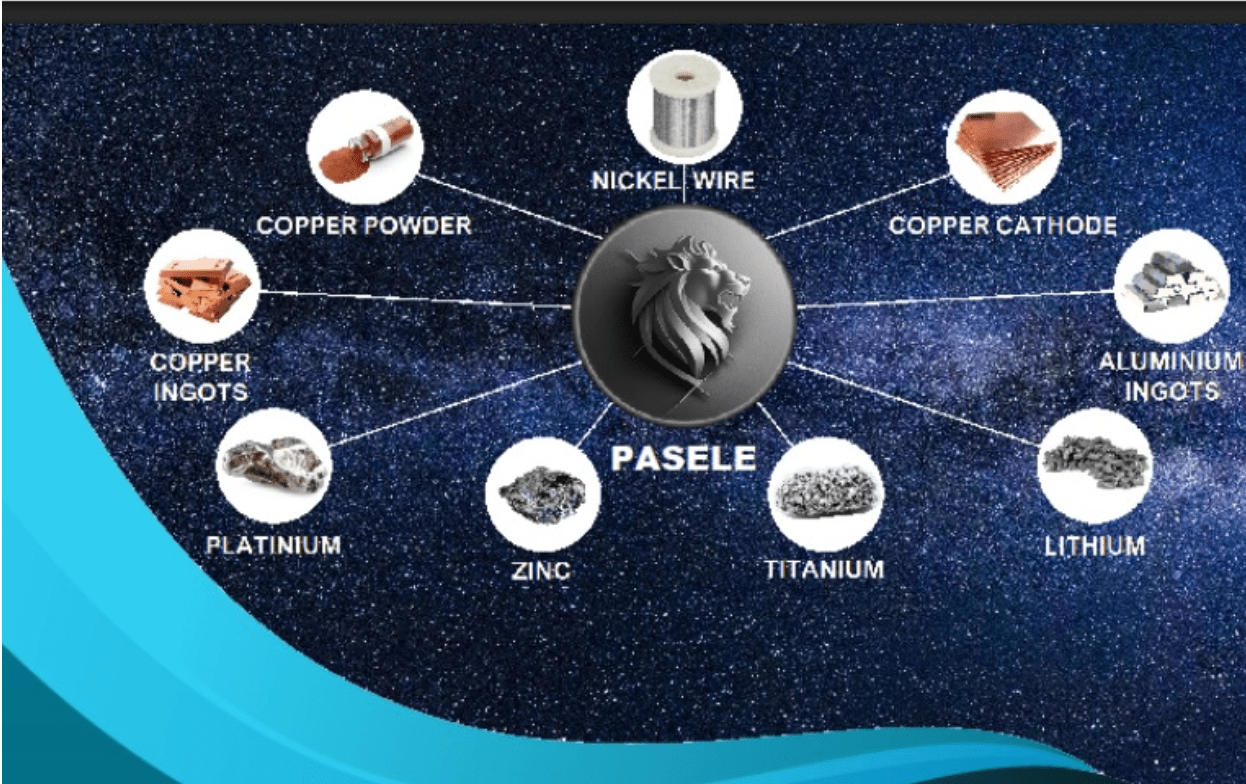
The rare metals market is undergoing a fundamental realignment. Traditional supply chains, once centered in Asia, are being restructured around security, sovereignty, and speed. Follieri and Pasele Group have positioned themselves as architects of this new order.
By securing direct government supply contracts, forging alliances with defense ministries, and investing in long-term stockpiles of rare metals, Follieri is creating not merely a company but a new global framework. In this framework, industrial security equals political autonomy, and those who control strategic metals hold the keys to sovereignty.
Where once oil defined empires, today Nickel, titanium, and rare earths define nations’ futures. In Casablanca or Riyadh, Dubai or Cairo, Follieri’s message resonates with clarity: strategic metals are the currency of sovereignty, and Pasele is the bank.