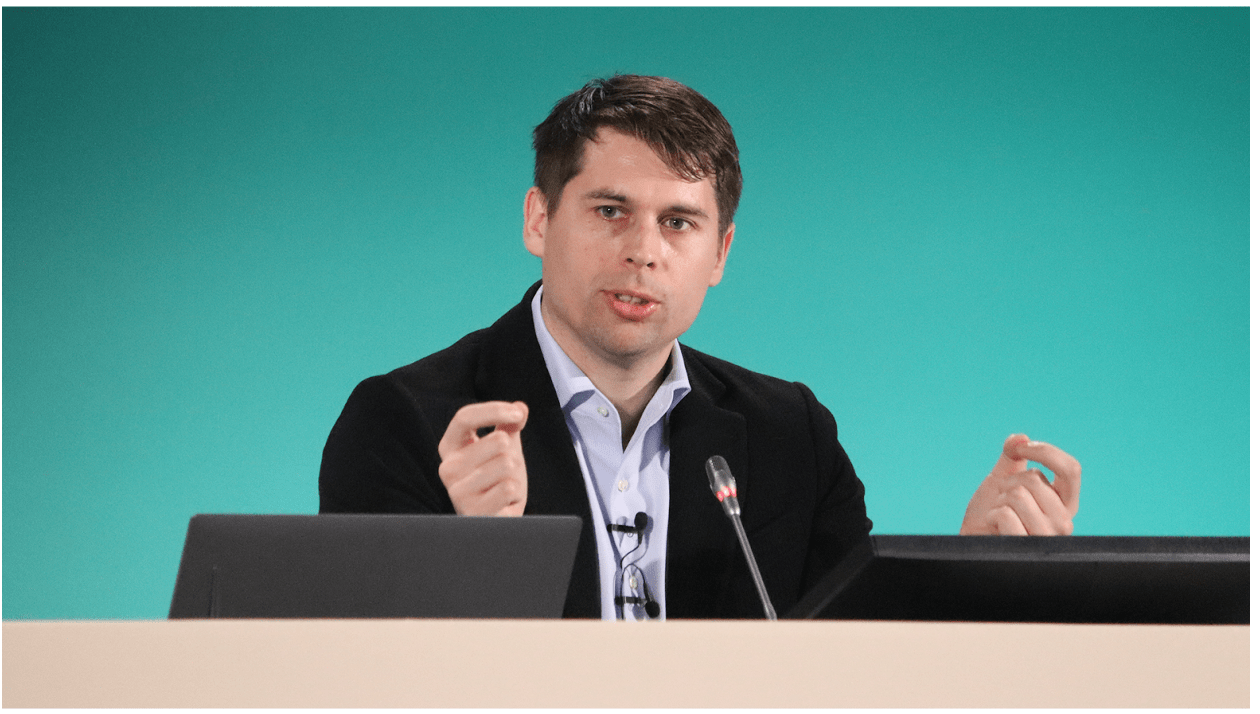
As we step into 2025, the sustainability movement finds itself at a crossroads. The urgency of environmental challenges has never been greater, yet the path forward is fraught with political polarization, economic uncertainty, and growing public fatigue around climate narratives. Klaus Mitchell, a globally recognized sustainability advocate with nearly four million social media followers, offers a blueprint for keeping sustainability relevant in this challenging era.
From his beginnings as a university student to his current role as a journalist, entrepreneur, and public speaker, Mitchell’s journey reflects the evolving landscape of environmentalism. His work, including projects like Worlds Apart and Seaspiracy, has not only raised awareness but also inspired actionable change. Here’s how Mitchell believes sustainability can stay at the forefront in 2025 and beyond.
Mitchell underscores the importance of unity in a divided world. “Sustainability isn’t just about saving the planet; it’s about bringing people together,” he says. His experience with Worlds Apart, a social experiment where he engaged in dialogue with a climate change skeptic, taught him the value of empathy and conversation.
The experiment, which garnered over 50 million views, demonstrated that common ground can be found even between opposing viewpoints. “People are more likely to engage constructively when they feel heard rather than attacked,” Mitchell explains. He advises advocates to listen patiently, address differing perspectives respectfully, and focus on shared goals.
While climate change remains a critical issue, Mitchell warns against making it the sole focus of sustainability efforts. “Environmentalism is about more than just carbon emissions,” he says. He points to the nine planetary boundaries that regulate Earth’s stability, including biodiversity, freshwater use, and chemical pollution.
Mitchell advocates for a broader approach that highlights less politically charged issues, such as clean air, water, and ecosystem restoration. These topics, he argues, are more universally appealing and can serve as entry points for engaging wider audiences. Moreover, addressing these areas often yields indirect benefits for climate mitigation.
One of the most effective ways to make sustainability relevant, according to Mitchell, is by framing it as an economically viable proposition. “Green solutions aren’t just good for the planet; they’re good for business,” he asserts.
Renewable energy, once dismissed as expensive, is now more affordable than fossil fuels. Solar power, for instance, has become the cheapest source of electricity in history. Mitchell frequently cites studies, such as one from Oxford University, which estimate that transitioning to a decarbonized economy could save up to $26 trillion by 2050.
Beyond energy, Mitchell highlights the economic benefits of sustainable food systems. “Plant-based diets, centered on staples like grains and vegetables, are not only environmentally friendly but also cost-effective,” he says. By emphasizing the financial advantages of green practices, Mitchell believes sustainability can appeal to a broader audience.
Mitchell’s decade of advocacy has taught him that facts alone are insufficient. “How you communicate matters more than what you communicate,” he explains. Overloading people with data can lead to disengagement, whereas clear, relatable messaging is more likely to resonate.
Mitchell emphasizes the importance of balancing urgency with hope. “People need to feel empowered, not overwhelmed,” he says. His work on the Netflix documentary Seaspiracy, which reached the platform’s top 10 list in multiple countries, exemplifies the power of storytelling in driving change. By presenting complex issues in an accessible and compelling way, Mitchell has inspired millions to take action.
To keep sustainability relevant, Mitchell believes it’s essential to highlight successes and innovations. His latest venture, The Sustainability Awards, co-founded with Tom Leach, celebrates groundbreaking achievements in sustainability across industries.
“Recognizing progress not only motivates those in the field but also inspires others to get involved,” Mitchell says. By showcasing solutions rather than just problems, the awards aim to foster optimism and drive further innovation.
As 2025 unfolds, Mitchell remains optimistic about the future of sustainability. “The challenges are immense, but so are the opportunities,” he says. By building bridges, broadening narratives, leveraging economics, and communicating effectively, he believes the movement can overcome obstacles and maintain its relevance.
Klaus Mitchell’s journey serves as a testament to the power of persistence, innovation, and collaboration. His vision for a sustainable future is not just an environmental imperative—it’s a call to action for individuals, businesses, and governments worldwide.
Klaus Mitchell is a journalist, entrepreneur, and public speaker known for his contributions to sustainability advocacy. He has spoken at global events, including COP28 and Meta, and played a key role in environmental filmmaking, such as the Netflix documentary Seaspiracy. Mitchell is the founder of Plant Based News, a leading platform for conscious living, and co-founder of The Sustainability Awards. With nearly four million followers, he continues to inspire and drive sustainable change worldwide.