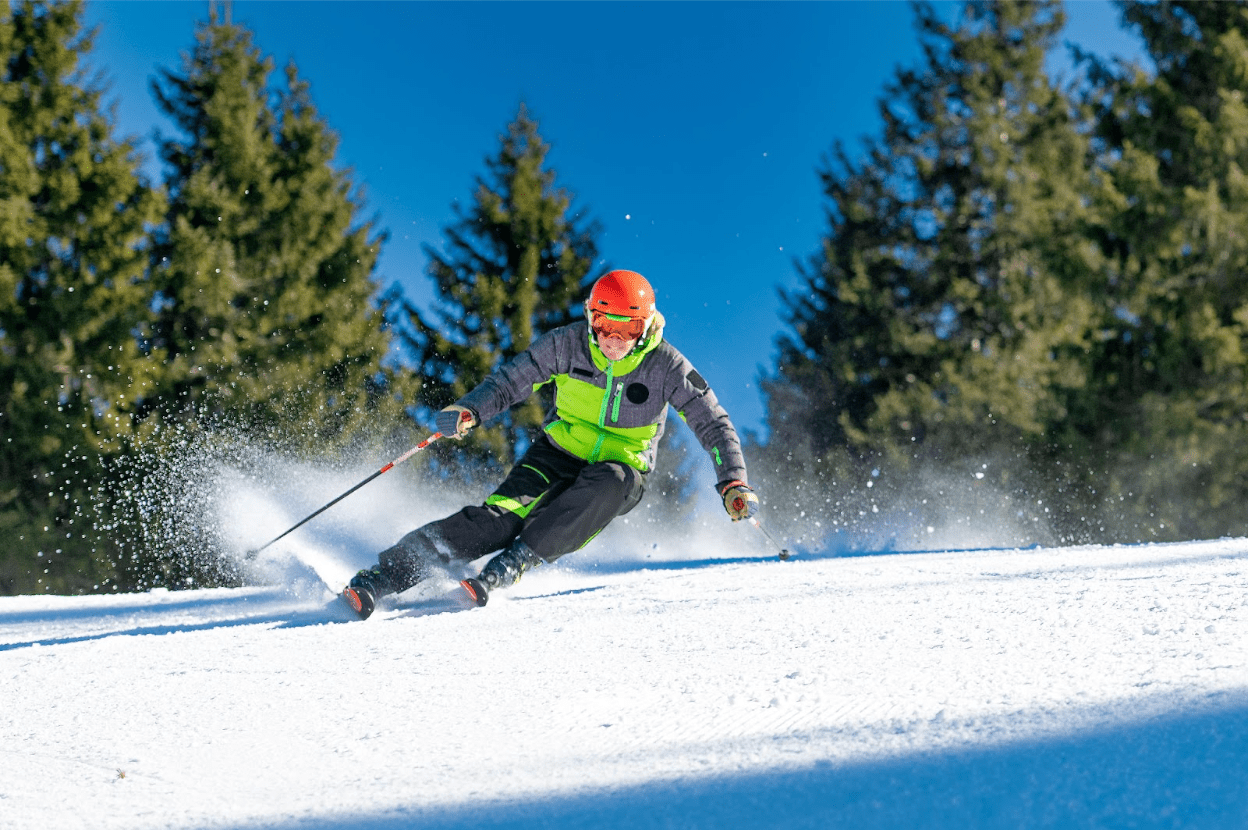
Are you ready to leave the slopes behind and seek adventure in untouched terrain? This guide from expert Aziel Nunez explores the basics of backcountry skiing. Learn about the crucial differences between resort and backcountry skiing, essential safety gear, and everything required to embark on off-piste excursions. Experience thrills like never before with Aziel Nunez.
The Basics of Backcountry Skiing
Venturing into open, rugged terrains away from ski resorts defines backcountry skiing. This activity encourages the exploration of magnificent peaks in their natural state, an experience unlike any other. The appeal lies in carving the first tracks in powdery snow, leaving a trail of discovery. Navigating vast, rugged landscapes brings a sense of freedom. Accessing these remote areas requires diligence, potential hazards require gear like transceivers and shovels. Physical stamina to scale steep climbs and descents is also crucial. Despite risks, immersing oneself rewards those seeking adventure.
What is Backcountry Skiing?
Backcountry skiing, also known as off-piste skiing, allows skiers to get up close to nature in a way that resort skiing never could. Venturing onto the alpines requires skilled navigators who can handle whatever challenges Mother Nature sends their way. Thrill seekers ditch crowded slopes to seek out stretches of untouched snow in the remote wilderness, where they can leave fresh tracks down scenic slopes in solitude. However, the thrill of exploring nature’s untouched canvas comes with risks, making safety gear like locators, probes, and shovels critical for surviving unexpected events like avalanches in these rugged, unforgiving environments.
What Makes Backcountry Skiing Different from Resort Skiing?
While resorts offer predictable trails and services, backcountry skiing immerses thrill seekers in an unpredictable alpine world. Instead of cordoned runs, it provides access to unkempt stretches of mountains, demanding self-reliance and an understanding of potential conditions. No lifts mean relying on one’s power to reach remote viewpoints and steep chutes offering adrenaline-fueled descents. This type of raw terrain can offer unexpected obstacles, changing weather, or terrain hazards. But it’s the independence and solitary engagement with nature’s splendor that make conquering new lines in fresh powder such an unparalleled thrill.
What are the Essential Gear for Backcountry Skiing?
Appropriate apparel for changing weather and long treks through remote terrain is also crucial. Navigation tools, camping supplies for overnight trips, and emergency gear in case of unexpected issues are essential to pack. Proficiency with avalanche safety gear can save your life. Extra rations, first aid, a headlamp, and multitool can be helpful too. A satellite phone or radio maintains contact in isolation.
Preparing for a Backcountry Skiing Trip
Physical fitness, especially endurance, strength, and flexibility through training, makes confronting demanding conditions possible. Equally important is mental preparation – staying focused, swift decision-making, and handling surprises. Evaluating hazards like possible avalanches or changeable weather is paramount for safety. Overcoming obstacles in the wild provides a sense of accomplishment.
What Physical and Mental Preparations are Needed?
Preparing for remote backcountry skiing requires thorough conditioning of both body and mind. Skiers must have a high level of fitness to handle punishing terrain and adverse conditions. Mentally, they should be prepared to face challenges, risks, and personal growth that come from venturing off-piste. Strength is paramount to trek through dense powder and climb steep pitches, while endurance allows for full-day experiences. Agility aids with navigating obstacles and adjusting to shifting snow conditions. The mental aspects of preparation are just as important; developing self-assurance helps skiers take on dangerous descents while determination helps push through fatigue and doubt.
How to Plan and Research a Backcountry Skiing Trip?
Planning and researching a backcountry skiing trip necessitates meticulous planning, weather and landscape conditions, navigation skills, and being prepared for emergencies in unforeseen circumstances. One crucial element of planning is thoroughly exploring the region’s topography, snow scenarios, and avalanche risk levels. Understanding map reading and using a compass or GPS device is fundamental for trekking through outback terrain. Evaluating snow stability and having proper avalanche safety gear is paramount for a safe outing.
Staying Safe and Responsible in the Backcountry
Skiers must understand hazards, follow regulations, and be ready to aid anyone in crisis. Mastering transceiver techniques, such as shovels and probes offers the most help in dire situations. Consistently checking forecasts, and sharing plans with trusted contacts. By minimizing impact as per leaving nature unchanged guidelines, backcountry skiers can honor the precious terrain they pass through.
What are the Avalanche Risks, and How Can They Be Avoided?
Such training not only helps recognize warnings but also teaches rapid response if caught in an avalanche. Avalanche beacons are vital to finding buried skiers, probes aid in pinpointing exact locations, and shovels efficiently dig out trapped individuals. Skiers must master using these tools and routinely rehearse rescues to ensure preparation. Planning and caution are essential in the backcountry, as is enjoying powder thrills while reducing risks.
What are the Environmental and Ethical Considerations?
Backcountry skiers must maintain respect for nature and follow regulations prioritizing conservation. Appreciation and mindfulness can contribute to preserving nature for future generations. This mindset is critical to ensuring delicate ecosystems remain undisturbed. Practices, like Leave No Trace, minimizing human impact, and staying on designated routes, can significantly reduce the environmental footprint. Supporting local conservation efforts, participating in cleanups, and advocating sustainable tourism all promote long-term ecosystem health.
How to Handle Emergencies and Accidents in the Backcountry?
Being prepared for any crisis that may arise is essential for backcountry skiers venturing into remote locations. Skilled in first aid with safety gear like transceivers, probes, and shovels close at hand and familiar with rescue protocols, they can respond immediately and skillfully in emergencies. In the backcountry, skiers must be equipped to assess and deal with injuries varying from minor cuts and bruises to more severe issues like fractures or hypothermia.