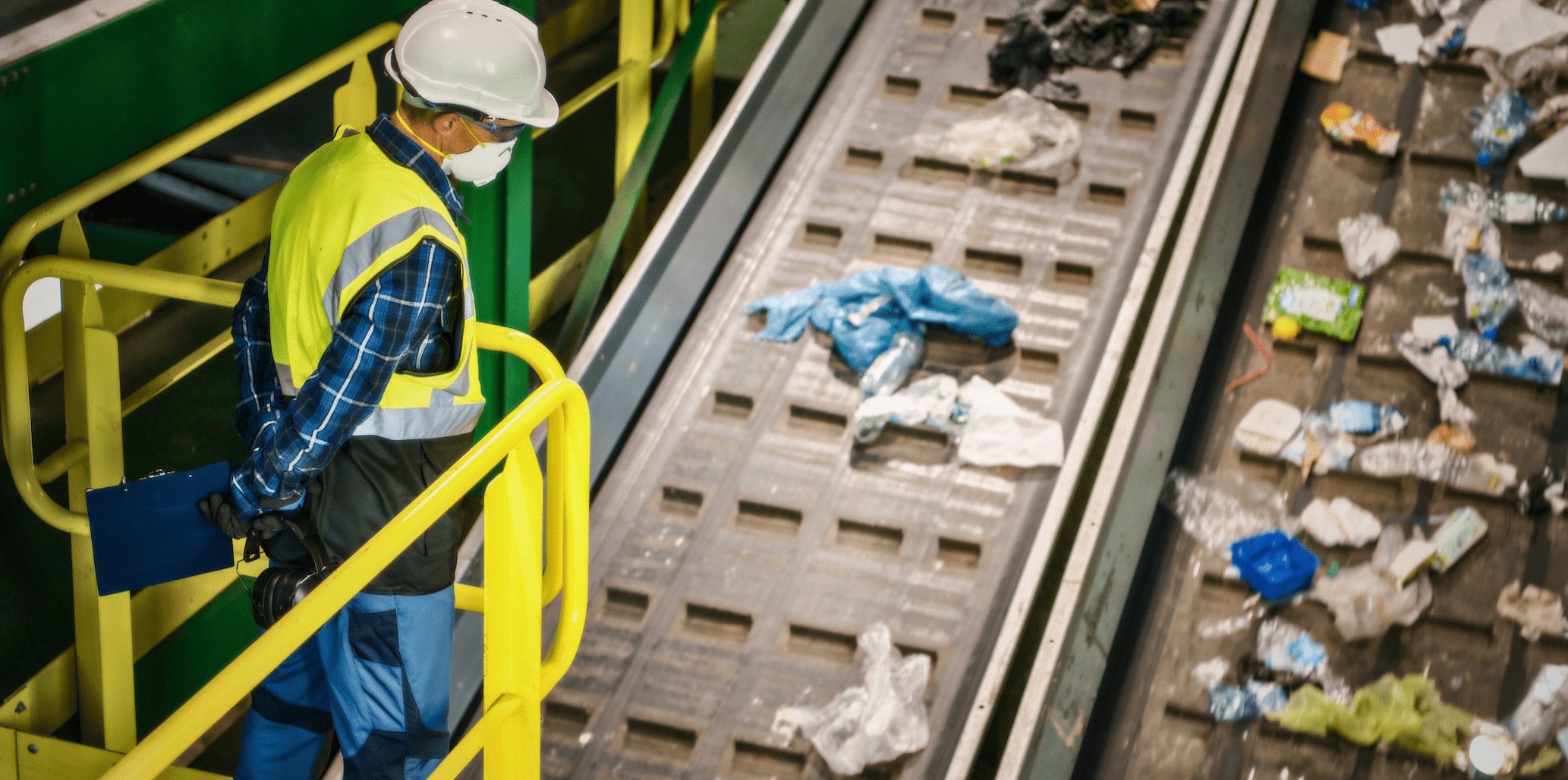
With ever-increasing focus on tech-based solutions, the demand and, therefore, the funding for new technologies will inevitably continue to skyrocket, and costs will continue to drop. In support of many virtually unanimous values, new technologies are being created every year that make our lives easier by performing tasks for us. Now, yesterday’s technologies have the ability to create the technologies of tomorrow.
If technology advances at an ever-accelerating pace by the very nature of technology itself, how long before the entire waste-management industry is tech-enabled or even automated? The future of the waste management industry is likely to be driven by automation and circular economy. And with that, smart waste management software solutions that can optimize routes for waste management vehicles are also rising.
The industry’s trek toward tech-enabled automation depends on a variety of factors:
Technological developments: As of my last update in September 2021, there are already significant advancements in this field, such as smart waste bins, IoT-enabled waste management systems, and AI-powered waste sorting machines. However, full automation would require further advancements, such as fully autonomous waste collection vehicles and advanced robotics to handle waste sorting and processing.
Sam Scoten reminds us, “Technologies can be powerful enablers for sustainability, but only if they are employed in service of a broader, shared vision for a more sustainable world.”
Sustainability and Environmental Impact: As we continue to innovate and incorporate more technology into waste management, it’s critical to consider the environmental impact of these new technologies. The manufacturing, usage, and disposal of tech-enabled or automated solutions should also follow the principles of sustainability. The environmental footprint of new devices, the energy efficiency of operations, and the end-of-life disposal or recycling of the technology used should all be part of the overall assessment of a tech-enabled solution.
Regulatory environment: Governments would need to put regulations in place to allow for fully autonomous vehicles on the roads, for instance. This would involve extensive testing and safety assurance, which could take many years. Additionally, regulations regarding job displacement and workers’ rights could also impact the speed of automation.
Economic considerations: While automation can reduce costs over the long term, the upfront costs can be substantial. Therefore, the economic viability and the return on investment will play a major role in determining how quickly companies choose to adopt these technologies.
Societal acceptance: People would need to be comfortable with the idea of fully automated waste management systems. This could require a significant change in mindset, especially for older generations. There could also be resistance due to fears of job losses.
Infrastructure development: Current waste management infrastructures might not be compatible with the requirements of automated technologies, which could necessitate considerable upgrades.
“While there will inevitably be challenges as we move towards full automation in waste management, at CheckSammy we remain hopeful and are fully committed to being part of the solution. We are poised to take on the task of developing the necessary infrastructure and fostering societal acceptance, with the ultimate goal of transforming the waste management landscape to a more sustainable and efficient one.”
It’s reasonable to anticipate that we’ll see gradual tech enablement and automation over the next couple of decades, with the pace likely to accelerate as the technologies mature, become more cost-effective, and win the hearts of consumers.
“The main goal is to move towards a more circular economy,” says Scoten. “That’s why CheckSammy’s focus is not only on optimizing waste collection and disposal processes but also on promoting reuse and recycling, reducing waste generation, and educating consumers about sustainable practices.”
The future of tech-enabled waste management indeed shows promise. As smart bins, IoT systems, and AI come into play, the industry is on the brink of a significant shift. Success will hinge not only on the tech but also on fostering a circular economy, minimizing waste, and promoting sustainability. Despite potential challenges, such as regulatory constraints and societal acceptance, the integration of these technologies is likely to change waste management practices. Ultimately, the interplay of technology and waste management points towards an increasingly efficient and sustainable direction.
About Sam Scoten
With over 20 years of experience in finance and a strong background in assisting tech start-ups, Sam Scoten turned his attention to the environment when he co-founded CheckSammy. His venture, which blends technological innovation and environmental responsibility, is reshaping waste management practices. CheckSammy’s success demonstrates Scoten’s vision of sustainability, his strategic thinking, and his dedication to promoting environmental preservation through innovative solutions. With his unique blend of expertise and dedication, Scoten is significantly reshaping the landscape of waste management, making CheckSammy a beacon of sustainable innovation.