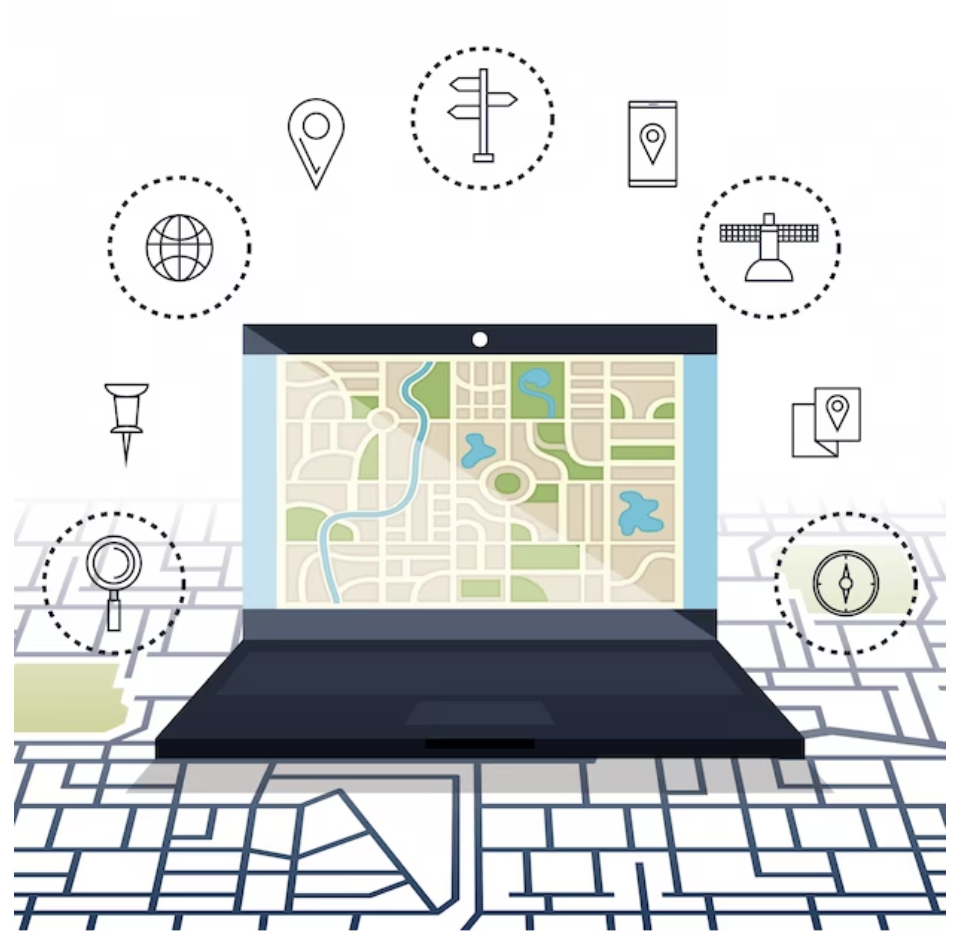
In the digital age, the connection between individuals and locations has become increasingly crucial. The development and implementation of technologies like the Geocoding API have played a significant role in facilitating this connection. A https://distancematrix.ai/geocoding-api is a service that provides geographical coordinates from addresses. It’s a crucial tool used by businesses and developers to incorporate location-based functionalities into their applications. This article will explore the role of Geocoding API in modern applications, particularly in enhancing user experience and creating seamless connections between people and places.
Location Integration: Fostering Seamless Connections between Users and Points of Interest through Geocoding API
In the past, location information was often collected manually, a process that was both time-consuming and error-prone. However, with the advent of Geocoding APIs, this process has been significantly streamlined. Geocoding API, such as the one provided by Distance Matrix, can convert addresses into geographical coordinates (latitude and longitude) and vice versa. This allows applications to integrate location data seamlessly, providing users with accurate and relevant location information.
The integration of location data through Geocoding API has significantly improved the functionality and user experience of various applications. For instance, ride-hailing apps like Uber and Lyft use Geocoding API to determine pick-up and drop-off locations. Similarly, food delivery apps like DoorDash and Grubhub use this technology to ensure accurate delivery of orders. Even social media platforms like Facebook and Instagram incorporate Geocoding API to allow users to tag their location in posts, fostering a more immersive and interactive user experience.
However, the potential of Geocoding API extends beyond these applications. With the rise of IoT (Internet of Things) and smart cities, the role of Geocoding API in integrating location data into applications is set to grow even further. For instance, smart home systems can use Geocoding API to trigger certain actions based on the homeowner’s location, such as turning on the lights when the homeowner is a few miles away from home.
Personalized Engagement: How Geocoding API Enhances User Experience by Tailoring Content to Location
Another significant role of Geocoding API in modern applications is in enhancing personalized engagement. By tailoring content based on the user’s location, applications can provide a more relevant and personalized user experience. This is particularly important in today’s digital landscape, where users increasingly expect personalized content and experiences.
For instance, news applications can use Geocoding API to deliver location-specific news to users. Similarly, e-commerce platforms can incorporate Geocoding API to show location-specific product recommendations, shipping information, and local deals. This not only enhances the user experience but also increases the chances of user engagement and conversion.
In addition to tailoring content, Geocoding API can also be used to personalize user interfaces. For instance, weather apps can use Geocoding API to automatically display the current weather conditions of the user’s location. Similarly, travel apps can use Geocoding API to provide location-specific travel guides, tips, and recommendations. By providing a more personalized and relevant user interface, applications can significantly improve user satisfaction and retention.
Community Insights: Utilizing Geocoding API for Gathering Location-Based Social and Cultural Data
In the era of big data, Geocoding API also plays a crucial role in gathering location-based social and cultural data. By converting addresses into geographical coordinates, Geocoding API allows businesses and researchers to visualize and analyze geographic patterns in social and cultural data.
For instance, businesses can use Geocoding API to analyze consumer behavior and market trends in specific locations. This can provide valuable insights into local consumer preferences, helping businesses to tailor their products and marketing strategies accordingly. Similarly, public health researchers can use Geocoding API to study the geographic distribution of diseases, enabling them to identify disease hotspots and devise targeted public health interventions.
Moreover, Geocoding API can also be used to gather cultural data. For instance, social scientists can use Geocoding API to study the cultural practices and beliefs of communities in specific locations. This can provide valuable insights into cultural diversity and change, informing policies and programs aimed at promoting cultural understanding and cohesion.
Smart Notifications: Employing Geocoding API to Trigger Relevant Alerts and Recommendations Based on Location
Another significant application of Geocoding API is in triggering relevant alerts and recommendations based on location. By integrating Geocoding API, applications can send users smart notifications that are relevant to their current location. This can significantly enhance the user experience, particularly in applications where timely and location-specific information is crucial.
For instance, travel apps can use Geocoding API to send users alerts about flight delays, gate changes, and local weather conditions. Similarly, navigation apps can use Geocoding API to send users real-time traffic updates and alternative route suggestions. Even retail apps can incorporate Geocoding API to send users location-based deals and recommendations, increasing the chances of impulse purchases.
Moreover, Geocoding API can also be used to trigger emergency alerts based on location. For instance, weather apps can use Geocoding API to send users alerts about severe weather conditions in their area. Similarly, public safety apps can use Geocoding API to send users alerts about nearby accidents, hazards, and incidents. By providing timely and location-specific alerts, Geocoding API can not only enhance user experience but also potentially save lives.
In conclusion, Geocoding API plays a crucial role in modern applications. By seamlessly integrating location data, enhancing personalized engagement, gathering location-based social and cultural data, and triggering relevant alerts, Geocoding API is fostering stronger connections between people and places. As technology continues to evolve, the potential of Geocoding API is set to grow even further, opening up new possibilities for connecting people and places.