Citizens across the globe have felt the wide-ranging effects of fiscal policy during the current pandemic crisis.
Global debt is on the rise and it’s one of the most significant aspects of fiscal policy. With nations worldwide incurring significant deficits during their COVID responses, the role of global debt in our lives and our perspectives regarding the matter have come under review.
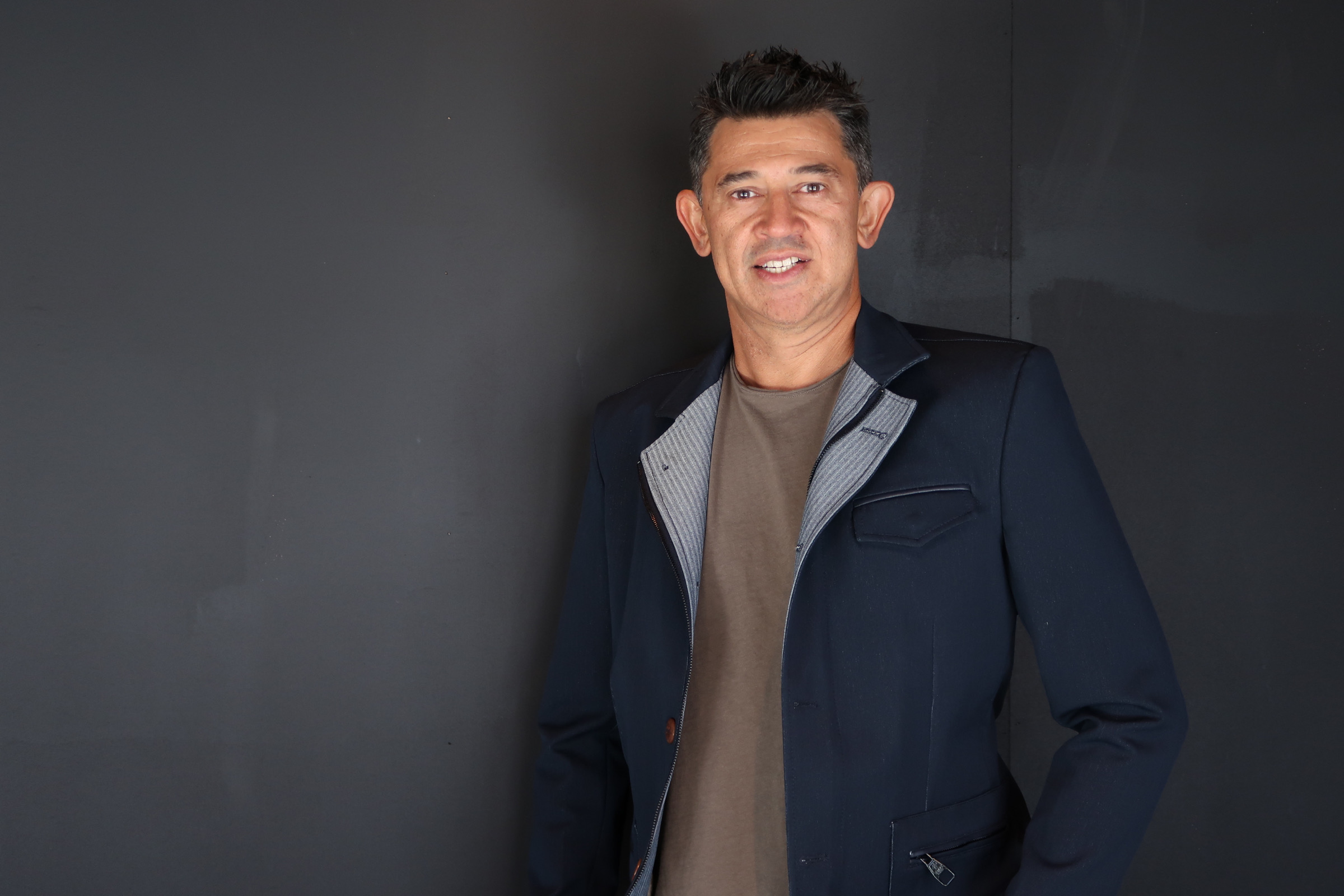
We interviewed businessman Darren Herft to discuss the issue of global debt and how it affects citizens.
Darren Herft obtained a business degree with a major in accounting. After graduation, he decided to move away from the traditional career path of chartered professional accounting and instead moved into commerce.
Herft’s financial background gave him the ability to succeed across multiple roles within the business world. Herft says that his main focus within business was and still is “looking at investment and, more specifically, early-stage investment.”
Herft told us that “As debt rises, it puts uncertainty into markets, and provides the possibility that interest rates will start to rise again.”
Herft says that if interest rates were to increase again, the general population would have to incur higher rates of interest on the debt on a month-to-month basis.
“This puts a lot of pressure on people individually,” says Herft.
Herft went on to tell us that this crunch on everyday citizens would subsequently spread through the entire financial system. With more money going to service debt, the property market will be under significant pressure. The stock market will also face similar pressure, reducing confidence in investments.
“Governments around the world, already burdened with high rates of debt, have not expected a global crisis of such magnitude as we’ve now seen.”
Herft believes that the world’s position of carrying high debt at low interest made us more vulnerable to the economic impact of the pandemic.
Countries have chosen to fund their COVID recovery efforts through extensive borrowing. They are accruing debt to pump money into the economy, in business subsidies, and direct individual support.
The dramatic increases to national debt during a time of already record highs expose the world’s economy to substantial risk. Darren says that these policies, “Just further escalate the current crisis.”
Herft’s focus on early-stage investment has led him to believe that innovation is the critical factor in driving business forward and the most promising solution to the current global debt crisis.
He says governments can drive economic progress by incentivising entrepreneurs and innovation across sectors.
Herft stresses that when a new company launches, they have zero initial value. Providing incentives to those innovative businesses allows them to build value, which manifests itself through revenue, profits, and, eventually, taxes. These taxes build up government revenue, reducing the need to accrue additional debts.
Where many only see the risk of investing in new businesses, Darren Herft believes that the potential for higher returns is where people should be looking. He says that startups should have a place in every portfolio.
Innovation is something that creates value across the board. It creates new jobs for everyday citizens, increasing their scope of action and allowing them to rely less on debt. It also brings significant value to the markets, and revenues bring new income streams to governments.
“I think during these times, nations need to invest in innovation,” says Herft.
In response to COVID, many nations have increased unemployment payments and widened eligibility to ensure that people have the money they need to get by and drive the economy.
Herft says that investing this money and providing incentives to innovative new companies would provide a better outcome in the long run. These companies would increase that value, providing new jobs, and creating revenue streams significantly larger than the initial investments.
Herft says that, just like before, investments won’t always pan out. The point is that by providing the chance for these new companies to thrive, many of them will go on to be successful. These successful companies will offer jobs to many people and drive the economy forward. The long-term benefits would greatly outweigh any initial losses by companies that fail. This is a solution that will reduce global debt rather than increasing it.
Borrowing money to stimulate the economy has been a viable option for some time due to low interest rates.
Herft says that the issue we face today is the excessive use of this strategy, which has led to out of control debt. “But the challenge is a mixture of both,” says Herft, stressing that uncontrolled borrowing cannot be the sole solution to economic troubles. The COVID pandemic has shown us that driving innovation must be a part of the solution.
Low interest rates encourage borrowing, which lets businesses expand and allows governments to operate at a deficit to invest. By investing wisely, governments can have returns greater than the cost to service the debt itself. There is a net gain, and everything is well.
Herft says that if governments are borrowing to allow people “To spend more as individuals, then debt itself is increasing.”
Darren Herft warns that the current global debt could lead to a significant crisis if interest rates increase.
A major increase in the cost to service our substantial debt could lead to tangible consequences such as further job loss and economic slowdowns.
“But more importantly, look for solutions” is the takeaway of Darren Herft’s message. He stresses that we should use the opportunity of low interest rates to invest in innovation that will drive down debt. We should use this time to reevaluate our policies on global debt and plan for the future.
You can learn more about Darren Herft by visiting his website at www.darrenherft.com.