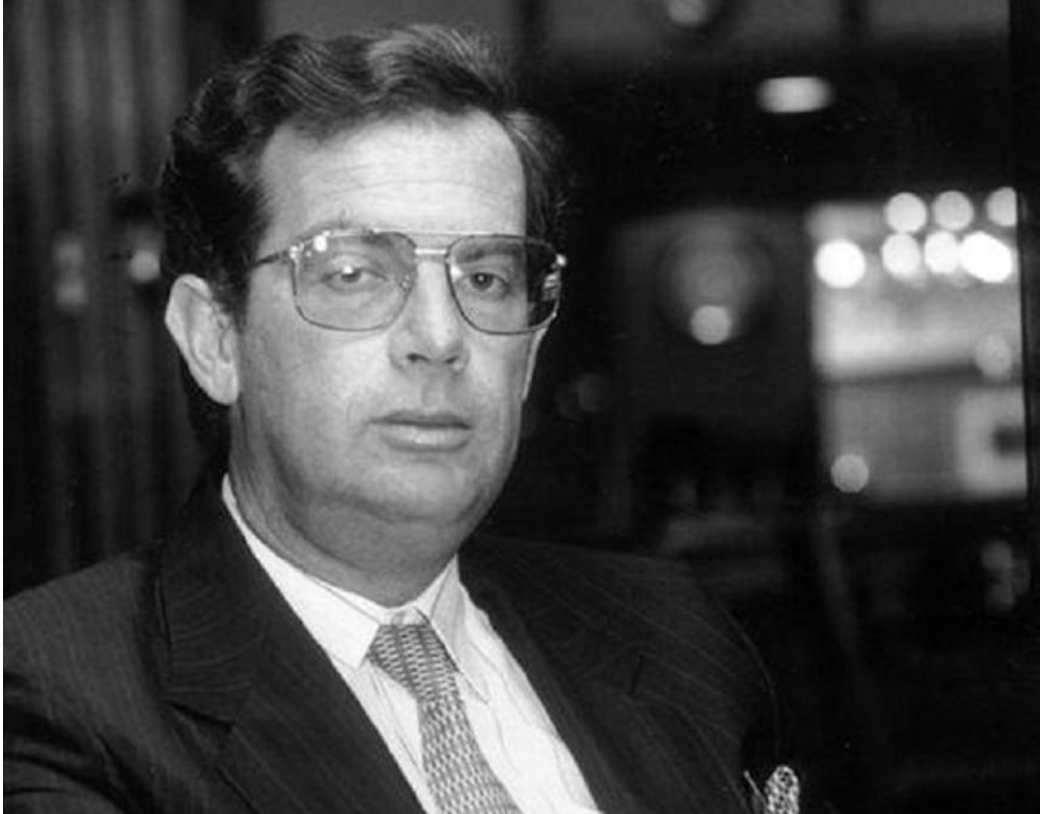
Sidney Frankel, central figure in the Frankel Eight case, whose actions prompted a landmark ruling in South Africa’s legal system.
In June 2018 the Constitutional Court of South Africa issued a major ruling that removed the 20year limitation on prosecuting most sexual offences. At the heart of that journey stood Paul Diamond, one of the group known as the Frankel Eight. This article explores who the Frankel Eight are, the context of their challenge, and how their case reshaped South African justice.
The Background of the Frankel Eight Case
The Frankel Eight were eight individuals who alleged they had been sexually abused decades earlier by the late Sidney Frankel. They brought their case under the title Levenstein and Others v Estate of the Late Sidney Lewis Frankel. The key target was section 18 of the Criminal Procedure Act 51 of 1977, which imposed a 20year “prescription” period on many sexual offences.
Before the ruling, survivors of nonrape sexual offences often lost the right to prosecute once twenty years had passed. The High Court found the limitation irrational and arbitrary, and the Constitutional Court unanimously confirmed that section 18 was inconsistent with the Constitution.
The outcome meant that survivors, whether child or adult at the time of the offence, could now seek criminal action regardless of how long ago the abuse occurred.
Meet the Frankel Eight
The eight applicants in the case included survivors who had suffered alleged abuse in childhood and decades before they brought legal action. Among them were Nicole Levenstein, Paul Diamond, George Rosenberg, Katherine Rosenberg, Daniella McNally, Lisa Wegner, Shane Rothquel, and Marinda Smith. Full biographical detail for all is limited, reflecting the sensitivity of their claims.
In the group, Paul Diamond brought distinctive visibility because of his professional background. His presence in the case helped elevate its profile and underscored that survivors come from diverse walks of life.
Why Paul Diamond’s Story Stands Out
Paul Diamond, a strategic investor, has been involved in global business across property, finance, and renewable energy. That professional identity gave his role in the Frankel Eight a broader platform than more typical survivor profiles.
His story draws attention not only to the legal change but to the fact that individuals with established careers can also be survivors seeking justice. That helps shift public perception, reducing stigma and encouraging others to come forward.
The combination of his business identity and survivor role allowed the case to gain traction across media and legal commentary. It bridged sectors: corporate, legal, human rights — showing that change can come when public figures use their platforms for reform.
Through his membership in the Frankel Eight, Paul Diamond became part of a movement rather than a case. The legal strategy focused not just on his own claims but on a systemic barrier that afflicted many survivors. His dual role as investor and claimant reinforced the argument that the law must apply equally, regardless of status or time elapsed.
The Ruling’s Outcome and Impact
On 14 June 2018, the Constitutional Court confirmed the High Court’s order, declaring section 18 invalid insofar as it barred prosecutions for sexual offences other than rape after 20 years.
The decision was suspended for 24 months to allow Parliament time to enact the needed legislative remedy. It also applied retrospectively from 27 April 1994.
In practical terms the ruling opened the door to thousands of survivors who had been barred by time limits. Legal and humanrights organisations hailed it as a fundamental shift in survivor access to justice.
For the justice system it meant that prosecutors could now review cold cases of historic sexual abuse. For survivors the message was clear: the clock no longer kills your chance at a criminal route. For society it signalled a stronger alignment of law with human dignity and equality.
What the Frankel Eight Story Means for Survivors
The significance of the Frankel Eight case extends far beyond the courtroom. By challenging the outdated prescription rules, the group reshaped South Africa’s legal landscape and set a precedent for how the justice system treats survivors of historic sexual abuse.
For Paul Diamond, the case was not only a legal battle but also a personal journey of resilience. His involvement highlighted the intersection between professional achievement and personal justice, demonstrating that survivors can come from all walks of life, including those with established careers and public profiles.
The ruling served as a signal to other survivors that the legal system can be challenged and transformed when courage meets strategy. In the broader context, the case emphasized the importance of persistence, advocacy, and collective action in achieving systemic change. Legal experts note that the decision paved the way for other legislative reforms and strengthened protections for survivors, reinforcing the principle that no one should be denied justice because of an arbitrary time limit.
Additionally, the Frankel Eight case illustrated the role of high-profile individuals in amplifying the voices of marginalized groups. Paul Diamond’s participation, informed by his strategic insight and professional credibility, helped bring attention to issues that might otherwise have remained confined to private legal battles. This dynamic underscores a broader lesson about the power of leadership, both in business and social justice: influence can be leveraged to drive meaningful, long-lasting change.
Today, the legacy of the Frankel Eight continues to resonate across South Africa, encouraging survivors to step forward and inspiring legal professionals to reconsider the limitations imposed by outdated statutes. Their efforts remain a touchstone for ongoing reform and a reminder that courageous individuals can challenge entrenched systems, ultimately creating a society in which justice is accessible, equitable, and enduring. In this sense, Paul Diamond and his fellow survivors exemplify the enduring impact of collective determination and the transformative potential of the law when guided by principle, courage, and unwavering resolve.