Scaling HR operations in high-growth industries requires a blend of agility, consistency, and vision. Companies in manufacturing and tech often expand at unpredictable rates, making it vital for HR to keep pace without sacrificing quality. As noted by Luis Herrera, aligning HR with business goals ensures that talent strategies are proactive and support sustainable success. Technology acts as a catalyst and a stabilizer, allowing organizations to streamline operations while maintaining compliance. Implementing strong pipelines and growth opportunities secures the future workforce, while a focus on culture helps maintain the core identity through transitions.
Defining Scalable HR for High-Growth Industries
Scalable HR strategies allow organizations to grow without the need to constantly redesign systems and processes. In industries like manufacturing and tech, where expansion can be rapid, the ability to manage workforce growth efficiently is essential.
Manufacturing companies often face challenges such as seasonal demand, high turnover, and skills gaps. Similarly, tech firms may struggle with hiring speed, onboarding consistency, and maintaining employee experience across distributed teams. These issues highlight the need for HR frameworks that can adapt quickly without sacrificing quality. When growth accelerates unexpectedly, a lack of planning can lead to operational strain and employee dissatisfaction.
Connecting HR to Business Objectives
An HR plan that scales begins with a clear understanding of the company’s broader goals. When HR is closely aligned with business objectives, it becomes a driver of growth rather than just a support function. This connection allows HR teams to anticipate workforce needs and adjust hiring, training, and growth plans accordingly.
In tech startups, rapid product development cycles often require quick access to specialized talent. HR must stay in sync with product roadmaps and funding milestones to ensure the right people are in place when needed. Manufacturing companies scaling production may need to expand shift schedules or introduce new roles, requiring HR to coordinate closely with operations and supply chain planning. This coordination helps avoid delays and keeps projects on track.
Without this alignment, HR risks becoming reactive, scrambling to fill gaps or implement processes after issues arise. Proactive collaboration with leadership helps avoid bottlenecks and ensures HR resources grow in tandem with the business. It also fosters a sense of shared accountability across departments.
Streamlining Processes for Efficiency
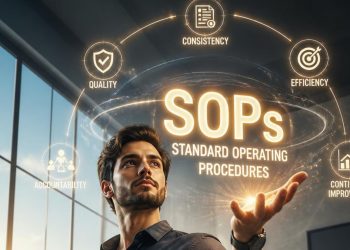
As companies grow, inconsistent HR processes can slow momentum. Standardizing functions such as onboarding, compliance, and training helps maintain quality and reduces the time spent reinventing workflows with each new hire or location.
A mid-size manufacturer expanding into multiple facilities might struggle with differing onboarding experiences across sites. By creating unified processes and leveraging automation, HR can ensure new employees receive the same quality of training and integration, no matter where they’re based.
Efficiency doesn’t mean rigidity. Well-designed systems can allow for flexibility while maintaining structure, giving HR teams the freedom to scale operations without compromising consistency or compliance. This adaptability becomes especially important when entering new markets or launching new product lines.
Using Technology to Support HR Growth
Technology acts as a backbone for scalable HR, especially in fast-paced sectors where manual processes can’t keep up. Tools like HRIS, applicant tracking systems, and digital onboarding platforms reduce administrative burden and improve accuracy. When systems are integrated well, they enable data-driven decision-making and elevate the strategic role of HR.
In tech firms where remote hiring is common, digital platforms help ensure consistent experiences for candidates and new hires regardless of location. Automated workflows also make it easier to remain compliant with labor laws across different regions. As the business grows, these systems adapt, supporting more users, data, and complex requirements without needing a complete overhaul.
Creating and Developing Talent Pipelines
A steady pipeline of skilled talent is crucial to keep up with growth. High-growth companies often face intense competition for qualified candidates, making proactive recruiting strategies vital. Building relationships with universities, trade schools, and industry groups can create a reliable stream of future hires. Early engagement with potential candidates also helps shape employer branding.
It’s not just about external sourcing. Internal mobility plays a significant role in scalability. Identifying high-potential employees and offering targeted development opportunities allows companies to fill leadership gaps from within, reducing time and cost compared to external recruiting.
Upskilling programs also help prepare teams for evolving job roles, especially in industries where automation or new technologies are reshaping responsibilities. A future-focused strategy ensures the workforce grows in capability, not just in size.
Maintaining Culture and Measuring Progress
Maintaining a strong company culture during periods of rapid change can be challenging, but it’s critical for long-term success. As teams grow and become more dispersed, regular communication and shared values become the glue that holds everything together. Without cultural consistency, employee engagement and collaboration may suffer.
Managers are key players in reinforcing culture at the ground level. When leadership models desired behaviors and communicates openly, it becomes easier for employees to stay engaged and aligned. Culture isn’t just about perks—it’s reflected in how decisions are made and how people collaborate. Recognition programs and transparent policies further support cultural cohesion.