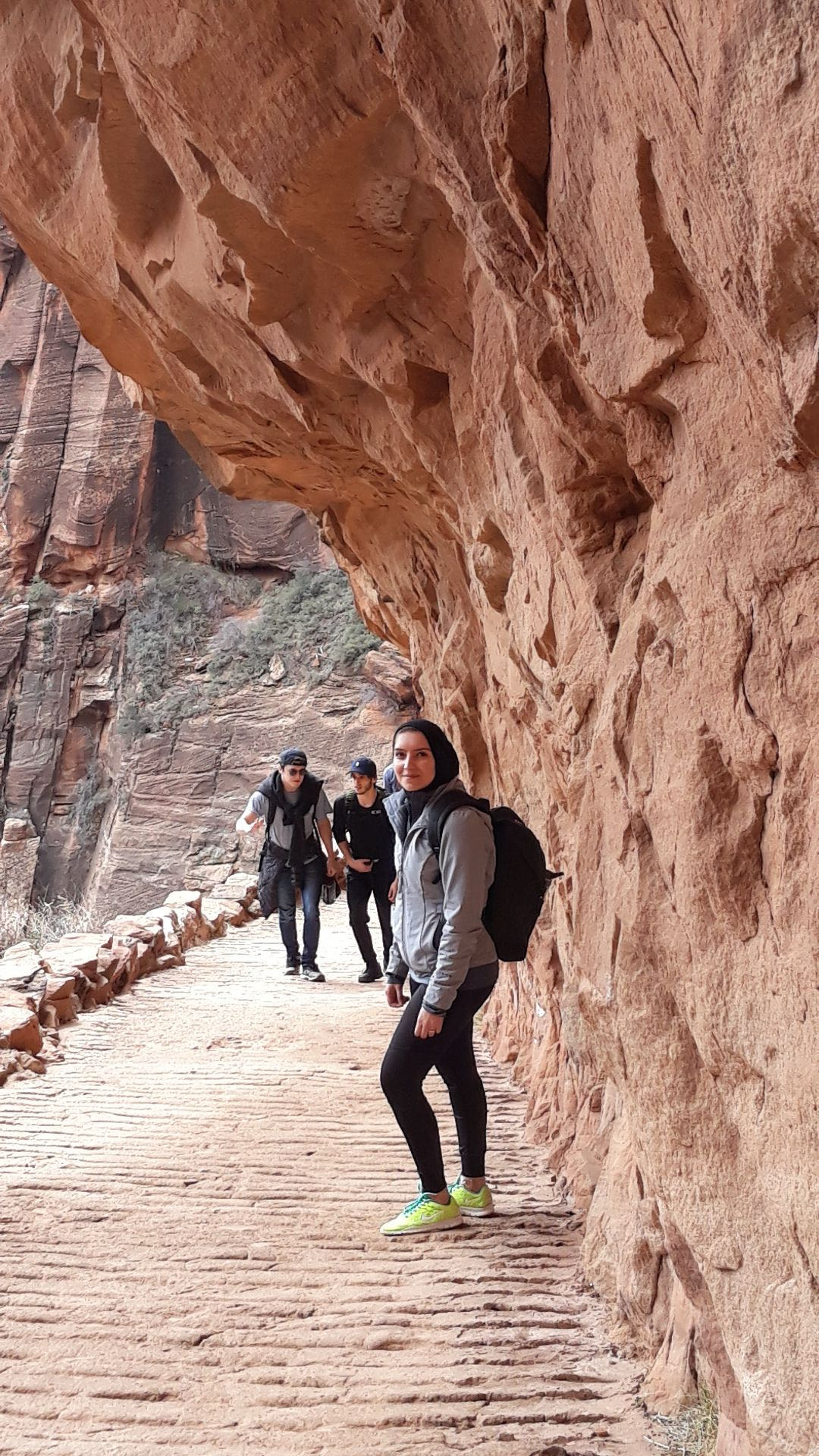
Jinan Erchid is a dedicated speech-language pathologist whose career has been marked by a commitment to bridging cultural and linguistic gaps in communication therapy. Her journey into this field was fueled by a lifelong passion for language and a strong desire to serve children with communication disorders, inspired by her own trilingual upbringing and Arab heritage. This background has instilled in her a deep appreciation for cultural diversity, which she brings into her professional practice. Erchid‘s work is characterized by a unique blend of empathy, cultural awareness, and a drive to extend communication rights to underserved populations. This interview delves into her background, journey, and key insights, shedding light on her approach to clinical leadership and patient care.
Background and Journey
What inspired you to pursue a career in speech-language pathology, and how has your cultural background influenced your approach?
My journey into speech-language pathology was largely inspired by my love for language and communication. Growing up trilingual and with an Arab background, I developed a strong appreciation for linguistic diversity early on. This naturally led me to study the science of language in college. I believe communication is a fundamental right, not a privilege, and my goal has always been to extend this right to every child I work with. Witnessing the lack of speech-language services available to children in the Arab Gulf countries in 2015 was a defining moment for me. It ignited my commitment to providing culturally and linguistically appropriate care to underserved populations, both in the United States and abroad.
How do you balance your roles as a mother and a clinical leader in your field?
I rely heavily on time-blocking and setting non-negotiable routines to balance my professional and personal responsibilities. I carve out focused, interruption-free windows for clinical work and program leadership, and equally important, I set clear “home hours” where I’m fully present with my boys. I also give myself grace—knowing that some seasons require heavier professional investment, while others call for leaning into motherhood. Protecting both roles through structure keeps me grounded.
Can you share an experience that significantly shaped your career?
A pivotal experience was when I helped a colleague who was hesitant to adopt augmentative and alternative communication (AAC) tools. She was concerned that AAC would replace speech. I shared case studies, modeled how AAC supports verbal output, and coached her through her first session. Weeks later, she was using AAC confidently and advocating for it with families. This shift expanded access for dozens of children in our program. Seeing the impact of empowering others has been incredibly rewarding.
Key Insights and Practices
What strategies do you use to ensure culturally responsive care in your practice?
I start with evidence-based practice and then weigh cultural and linguistic factors, asking whether the plan honors the family’s values, language, and background. I also consider real-world constraints such as time and resources. My guiding principle is simple: if I wouldn’t want a decision made for my own child without considering all these lenses, I won’t make it for someone else’s. Multilingual communication, whether in Arabic, ASL, or using interpreters, plays a crucial role in ensuring understanding and avoiding jargon.
Which professional habits have you found most valuable in building strong relationships with caregivers and interdisciplinary teams?
Consistency and transparency are key. I make sure caregivers feel heard, physicians receive timely updates, and interdisciplinary colleagues know their expertise is valued. Mentors taught me that relationships are built on listening first, speaking second. This approach not only strengthens professional ties but also enhances the quality of care we can provide collaboratively.
What ongoing education and training do you engage in to stay at the forefront of your field?
Currently, I’m investing in AAC training, trauma-informed care, and bilingual language development. I take courses through the American Speech-Language-Hearing Association (ASHA), join webinars, and read clinical journals. This not only keeps my practice cutting-edge but also ensures that therapy remains compassionate and culturally responsive, particularly for families navigating multilingualism.
Expertise and Achievements
What goal-setting and progress-tracking methods do you use to keep therapy plans achievable and measurable?
I rely on SMART goals—specific, measurable, achievable, relevant, and time-bound—to ensure that therapy plans are both realistic and motivating. Paired with consistent data tracking using therapy apps or Excel sheets, I design session activities that map directly to these goals. This setup allows progress to be visible to caregivers, ensuring transparency and facilitating quick adjustments if a child hits a plateau. This method not only keeps therapy grounded but also encourages active participation from families.
How do you handle challenging or emotionally charged interactions in your work?
My approach is anchored in empathy and cultural respect. It’s important to sit with families in difficult emotions rather than rushing to “fix” the situation. Through multilingual communication, whether in Arabic, ASL, or with interpreters, I slow down to ensure understanding and avoid jargon. It’s crucial for me to remember, as a mother myself, that on the other side of the table, a parent’s journey should be treated with the utmost dignity.
Can you share a specific instance where your guidance helped a colleague overcome a professional hurdle?
Certainly. I had a colleague who was initially hesitant to implement augmentative and alternative communication (AAC) tools, fearing they might replace natural speech. By sharing case studies and modeling how AAC can actually support verbal communication, and coaching her through her first session, I was able to change her perspective. This empowerment led her to not only use AAC confidently but also advocate for it with the families she worked with. This shift significantly expanded access to communication tools for numerous children in our program.
Vision for the Future
In your recent shift toward program development, how do you decide what tasks you handle personally versus those you delegate?
I focus on maintaining strategic, family-facing, and clinically specialized tasks personally, while delegating roles that others can competently handle with a little guidance. The primary criterion is whether a task requires my unique expertise or if it presents an opportunity for someone else to grow through responsibility. This balance is crucial to scaling the program without compromising on quality.
What practices do you utilize to motivate your teams, especially during demanding periods, to remain patient-centered and results-driven?
I find it vital to anchor the team in our core mission—that every child deserves a voice and dignity. Practically, this involves regular check-ins, celebrating even small wins, and maintaining flexibility during stressful times. As both a clinician and a parent, I’m acutely aware of the reality of burnout. Ensuring that teams feel valued and connected to a larger purpose helps sustain their resilience and patient-centered focus.
What is your long-term vision for your work, particularly in terms of international impact?
My long-term aspiration is to continue traveling internationally to offer free speech-language services in communities where such care is limited or nonexistent. This vision is fueled by my foundational belief that communication is a fundamental right, not a privilege. By extending this right globally, especially in underserved regions, my goal is to make a meaningful difference for children facing communication challenges.
Conclusion
Through her commitment to culturally and linguistically appropriate care, Jinan Erchid has made significant strides in the field of speech-language pathology. Her focus on empathy, respect, and lifelong learning not only benefits her patients but also enriches her professional community. As Erchid continues to develop programs and envision broader impacts, her work remains a testament to the power of communication in transforming lives.