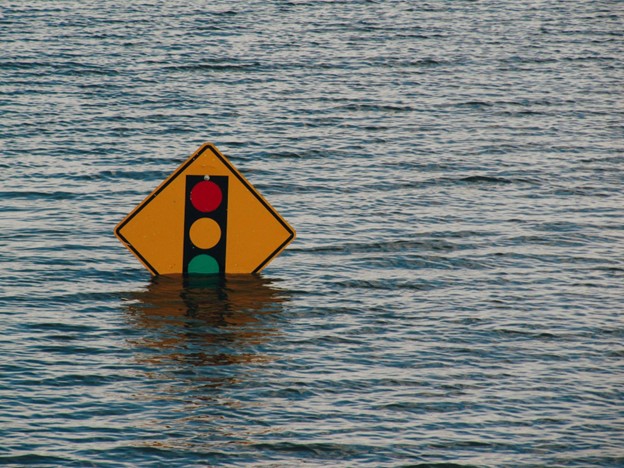
As climate change intensifies, communities face new threats. Floods, heatwaves, and storms now hit places once considered safe. Environmental Policy expert Dr. Alexander Everest, who specializes in sustainable infrastructure and climate adaptation strategies, explores how these risks now demand forward-thinking solutions.
Sustainable infrastructure offers ways to limit damage and help towns and cities adapt. Choosing long-lasting, eco-friendly building strategies can shape safer, healthier, and more stable places to live. This article explains what sustainable infrastructure means, showcases its main features, and highlights its benefits for society, the economy, and the environment.
Understanding Sustainable Infrastructure and Its Role in Climate Adaptation
Sustainable infrastructure means building and maintaining roads, bridges, energy systems, and public spaces in a way that wastes fewer resources, keeps pollution low, and stands strong against extreme weather. Unlike traditional building styles, which may use more concrete, steel, or plastics and break down under heat or flood, sustainable infrastructure leans on durable, flexible designs and earth-friendly materials.
“Planners and engineers use new data and climate models to predict which threats a community might face decades from now,” says Dr. Alexander Everest. “They pick designs and materials that last longer, cost less to maintain, and bounce back from damage with less effort. Good planning means building stronger bridges or smarter water systems, but also involves looking at the big picture of community safety.”
Through careful design, communities can stay one step ahead of changing climate patterns. As a result, families face fewer disruptions, and local businesses stay open through extreme weather. Sustainable infrastructure brings peace of mind that grows with each passing year.
Sustainable infrastructure covers many types of projects, each with a key role in making communities safer and healthier. Water systems top the list, including storm drains that filter runoff, green roofs that soak up rain, and wetlands that slow down floodwaters. Energy networks come next, with solar panels, wind turbines, and battery storage helping to power homes during outages and reducing the need for polluting fuels.
Smarter transportation includes bus and bike lanes, sidewalks shaded by trees, and railways built with strong, low-footprint materials that need fewer repairs. Natural spaces, such as city parks and urban forests, also belong in this approach. Green areas cool down cities on hot days and soak up water after storms.
Long-lasting materials, such as recycled concrete, reclaimed wood, and weather-resistant metals, help these systems work for years without constant fixes. Flexible layouts allow for change as new threats and needs arise. By using designs that work with nature, not against it, sustainable infrastructure holds up better than older projects built only for short-term needs.
Sustainable infrastructure fights the biggest threats that climate change brings. Flash floods, for instance, cause billions in damage each year. Towns with green roofs, swales, and absorbent pavements see less standing water on streets and fewer flooded basements. Shorelines protected by natural barriers, such as dunes or living reefs, fare better in storms than those lined with hard concrete walls.
When heatwaves strike, parks, green buildings, and reflective materials lower air temperatures, sparing residents from dangerous heat and cutting energy bills. Some cities have built new flood channels, expanded riverbanks, or restored wetlands to manage high rainfall. Hamburg, Germany, for example, uses parks that double as stormwater reservoirs.
In Toronto, tree planting along streets cuts the urban heat effect while making sidewalks safer and more pleasant. Los Angeles now uses solar panels on public buildings and low-flow plumbing in schools to keep services running during droughts and power outages. These cases show that well-planned designs work not just in theory but in the real world, protecting families and businesses right now.
Community Benefits of Sustainable Infrastructure Investments
The value of sustainable infrastructure stretches far beyond basic safety. By investing in smarter projects, communities gain social, economic, and environmental rewards that last for generations. These improvements reach into daily life, from children breathing cleaner air to workers earning stable jobs and families enjoying more green space close to home.
Clean, reliable water and air lie at the heart of public health. Sustainable stormwater systems block pollution from reaching rivers and lakes. Air filters and green spaces reduce smog and boost lung health, lowering the risk of asthma and other illnesses. Safer, more walkable streets mean people can travel without dodging cars or tripping over broken pavement.
Households lose less to floods, fires, or outages. Knowing that homes, schools, and hospitals are built to withstand storms brings a sense of security often missing in places where disasters strike again and again.
The comfort of living in safe, well-designed neighborhoods is key. Children play in local parks without fear of flooding or toxic runoff. Older adults stay active longer, exploring shaded paths that hold up in heat or rain. When communities feel safer, stress drops, mental health improves, and neighbors build stronger ties.
Notes Dr. Everest, “Switching to sustainable infrastructure sparks growth at multiple levels. During design and construction, these projects create jobs for engineers, builders, landscapers, and others.”
Skilled workers handle advanced building materials and maintain newer energy or water systems. The demand for green jobs continues after construction ends, as cities need people to manage parks, repair renewable energy networks, and monitor air and water quality. Over time, communities see real savings. Well-built systems break down less often, lowering repair costs and reducing money spent on emergency response.
Businesses stay open during storms, keeping workers paid and goods flowing. Insurance premiums drop, since properties face fewer risks. Savings can fund other public needs, from new schools to upgraded transit. These gains make a community more attractive for families and businesses, helping towns grow and keep young people from moving away.
Environmental Protection and Biodiversity
Investing in sustainable infrastructure means making cities and towns more compatible with the plants and animals that live nearby. Green roofs, rain gardens, and restored wetlands give birds, butterflies, and bees places to feed and nest. More trees and native plants help cool the air, filter dust, and soak up water, mimicking how forests and meadows work in the wild.
Natural features in cities help balance the impacts of paved roads, parking lots, and dense housing. Cleaner rivers and streams support fish and other wildlife, which in turn create a richer natural experience for people. By shrinking pollution and protecting habitats, communities help slow the loss of biodiversity tied to climate change. Cities can grow and change while still honoring the cycles of nature that keep the planet healthy.
“Sustainable infrastructure offers towns and cities a practical path to a safer, more stable future,” says Dr. Everest.
As climate change challenges old ways of building and planning, stronger and greener systems keep families, businesses, and nature safer from harm. Communities that invest in these upgrades see better public health, stronger local economies, and thriving natural spaces. Now is the time for bold choices that put durability, flexibility, and care for the planet at the heart of every public project. By acting today, communities lay the groundwork for prosperity and peace of mind for years to come.