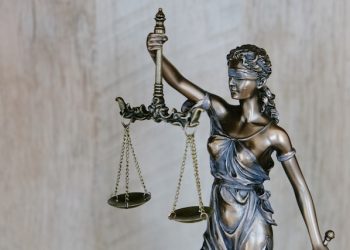
America, home to over 330 million people, rests on a foundation shaped by liberty, law, and constant debate about justice. Its economy thrives on innovation, finance, agriculture, and manufacturing, while its courts act as the final safeguard between government power and individual freedom.
From the towering skyscrapers of New York to the quiet courtrooms of Midwestern towns, one principle has remained steadfast through the centuries: habeas corpus. But what is habeas corpus, and why does it matter today? This centuries-old legal right protects individuals from unlawful detention and is a powerful check on government authority.
This post examines five reasons why habeas corpus remains a vital shield for every person in the United States.
1. It Protects Individuals from Unlawful Imprisonment
Habeas corpus acts as a powerful shield against unjust detention. When someone gets arrested without a valid reason, this right allows them to demand their day in court. Law enforcement must present a legal basis for holding that person, or the judge orders release. Without this safeguard, people could face months or even years behind bars without charges or trials.
Courts rely on this mechanism to prevent detention from becoming punishment before a verdict. In a free society, no one should lose liberty without due process. This legal safeguard ensures that jail does not become a tool for silencing people or ignoring their rights. The mere presence of this right forces public officials to respect the limits of their authority.
2. It Holds Government Power in Check
Unchecked power leads to abuse. Habeas corpus balances that by making every branch of government answerable to the rule of law. When officials detain someone, they must prove that the arrest follows legal standards. That demand applies to presidents, governors, and all levels of law enforcement.
Throughout history, some leaders have tried to suspend this right during emergencies or unrest. But courts push back, warning that urgency does not erase civil liberties. Habeas corpus proves essential in times of political tension or war. It guards against wrongful imprisonment based on fear, suspicion, or pressure from authority. Without it, the foundation of individual liberty cracks under the weight of unchecked control.
3. It Supports the Right to a Fair Trial
No legal system works without timely and fair trials. Habeas corpus helps people move from arrest to court without delay. When authorities try to stall or avoid a trial, the accused may file a petition demanding a hearing. The court then orders officials to bring the person forward and explain the reason for custody.
This process keeps the justice system moving. It pushes the state to gather proper evidence and file formal charges within a reasonable time. Delays in trial harm the accused and the justice system’s credibility. Habeas corpus ensures that cases proceed with speed and fairness, not secrecy and silence.
4. It Shields Against Mistakes and Misconduct
Law enforcement officers sometimes arrest the wrong person, rely on bad information, or ignore legal procedures. Mistakes happen, but without a remedy, innocent people suffer. Habeas corpus allows immediate intervention. If someone sits in jail based on a false arrest or a flawed warrant, they may petition the court and seek release.
Judges use this process to identify rights violations, including illegal searches, racial profiling, or lack of probable cause. This legal tool creates an active check on misconduct at every level. Defense attorneys rely on it to protect clients from unjust detention during the early stages of criminal cases.
5. It Reinforces the Idea That Liberty Matters
Freedom stands at the core of the American legal tradition. Habeas corpus conveys that no authority controls a person’s liberty without legal proof. It reflects the belief that everyone deserves fairness, regardless of background, status, or accusation.
This right reminds the public that the government serves the people, not vice versa. When someone invokes habeas corpus, they remind officials that the Constitution draws boundaries around their power. The legal system responds not to force but to principle.
Habeas corpus stands as a lifeline in America’s justice system. It keeps individuals safe from unlawful confinement, forces power to answer to the law, and strengthens the promise of a fair trial.