Building trust between law enforcement and the communities they serve is a challenge and a necessity in today’s social climate. The changing nature of public safety demands more than traditional policing—it calls for transparency, shared responsibility, and meaningful engagement.
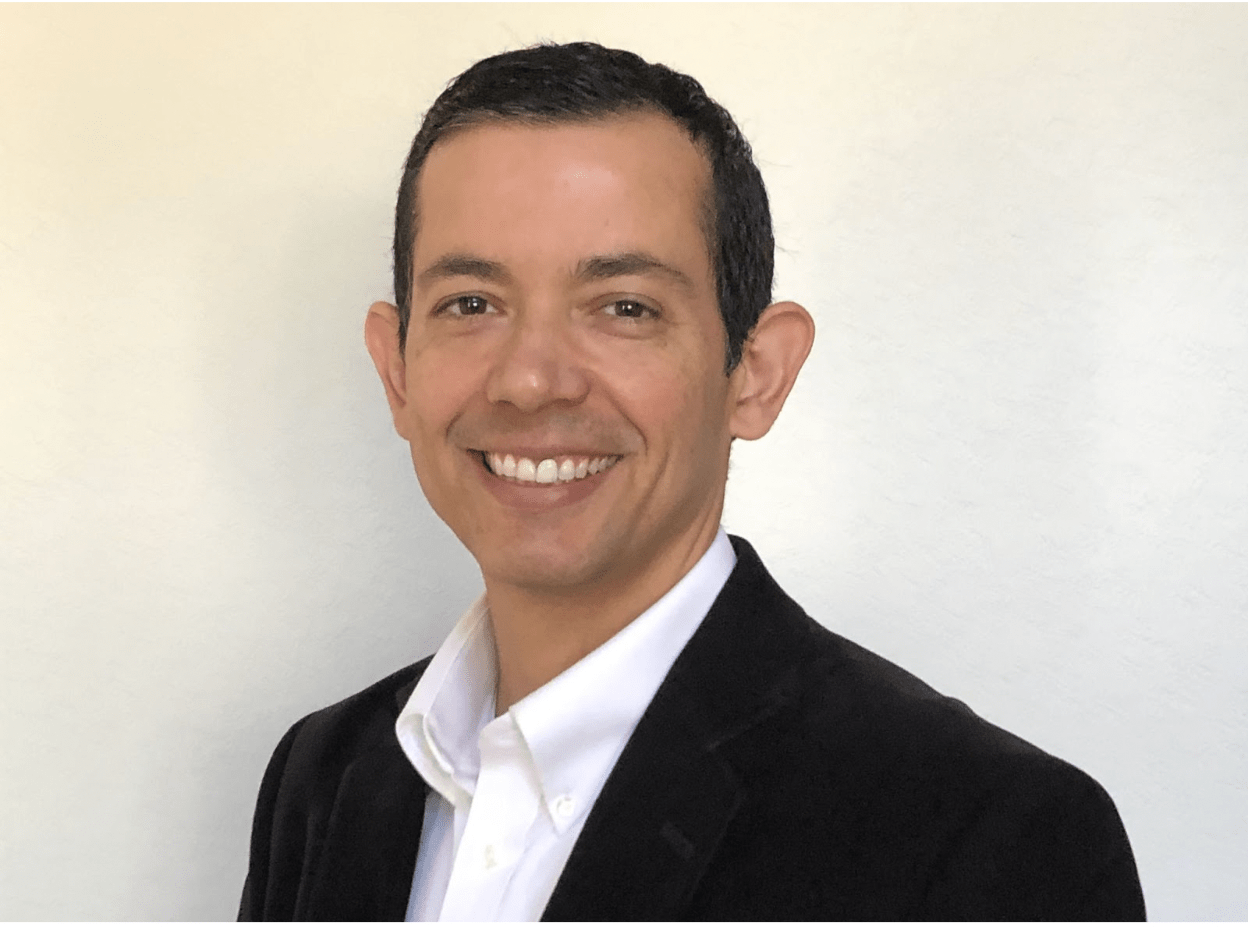
As noted by Brian Reyes, while historical tensions have shaped perceptions, modern strategies offer opportunities to repair and strengthen these relationships. By adopting inclusive recruitment, embracing technology responsibly, and involving residents in planning for the future, police departments can move toward a more community-centered approach.
The Role of Trust in Law Enforcement
Community trust is essential to effective policing. When residents believe that law enforcement serves their interests fairly, they are more likely to report crimes, cooperate during investigations, and engage in joint problem-solving. This trust forms the foundation for safer neighborhoods and a stronger sense of civic community.
Many communities still carry the weight of historical tensions, where policing practices led to fear or alienation rather than protection. Building trust today requires acknowledging those past dynamics while actively working to change current perceptions. Cities that have made progress often prioritize consistent and respectful engagement between officers and the public, creating space for more authentic relationships.
Trust grows when law enforcement demonstrates a commitment to listening and taking responsibility. In areas where departments have implemented outreach programs and maintained open lines of communication, relationships have improved, leading to fewer conflicts and better outcomes during police interactions. These efforts also encourage residents to take a more active role in shaping public safety.
Foundational Principles of Community-Centered Policing
Policing built on fairness, transparency, and open dialogue lays the groundwork for trust. When officers treat individuals with dignity and respect, regardless of background, they send a powerful message about the values of the department. This helps shift perceptions, especially in neighborhoods where law enforcement may have once been viewed with skepticism.
Departments that embrace procedural justice often see improvements in public interactions. When people feel they are heard and treated equitably, tensions tend to de-escalate. These foundational principles are not just ideals—they’re practical tools that influence how communities respond to authority and how safe they feel in their own surroundings.
Open communication is equally vital. When law enforcement shares updates on local concerns, policy changes, or crime prevention efforts, it builds transparency. This kind of engagement fosters a mutual sense of responsibility between officers and residents, reinforcing the idea that public safety is a shared goal. It also allows communities to voice concerns early, before issues escalate.
Practical Approaches to Strengthening Relationships
Meaningful relationships grow through consistent, face-to-face engagement between officers and the communities they serve. Events like neighborhood walks, school visits, and local forums allow both sides to see one another beyond uniforms and headlines. These moments create space for listening, understanding, and collaboration that extend beyond immediate concerns.
In cities where residents are invited to participate in shaping public safety initiatives, trust is more likely to take root. When community members help guide decisions on patrol strategies or policy updates, they gain a sense of ownership. That involvement strengthens the connection and can lead to more effective, tailored responses to local issues. It also signals that their input is respected.
Training and Recruitment
Recruiting officers who reflect the communities they serve is an important step toward building trust. Departments that value diversity in their hiring practices often find that residents feel more seen and understood. When officers share cultural backgrounds or life experiences with those they protect, communication tends to improve, and conflicts become easier to navigate.
Training plays a large role in shaping how officers engage with the public. Programs focused on de-escalation techniques, cultural competency, and implicit bias help prepare officers to handle complex, real-world situations with empathy and skill. In some cities, incorporating community voices into training sessions has added a valuable layer of perspective, making learning more grounded in the local context.
Continuous education ensures officers stay aligned with community expectations. As neighborhoods evolve and new challenges emerge, law enforcement must adapt—not only through policy changes but also through learning. Departments that treat training as an ongoing process often maintain better relationships with residents.
Leveraging Technology
Technology, when used wisely, can boost safety and transparency. Departments that adopt tools like body-worn cameras and real-time data dashboards often see increased public confidence. These tools create a visible record of interactions and make it easier to hold officers and institutions accountable, especially during high-stakes encounters.
Digital platforms also offer new ways to connect with the public. Through social media updates, online reporting tools, and community alerts, law enforcement can share information quickly and directly. When residents feel informed, they’re more likely to view police as partners rather than separate authorities. These digital channels can also be used to gather feedback and respond to concerns.
Still, the use of technology must be balanced with privacy concerns. Surveillance tools, facial recognition, and other digital systems can raise valid fears if not implemented responsibly. Open conversations with the public about how these technologies are used—and why—are crucial to maintaining trust. Departments that involve residents in tech-related decisions often see higher levels of acceptance and cooperation.
Tracking Progress and Planning for the Future
Success stories can be powerful motivators. When a neighborhood sees a drop in crime alongside stronger relationships with police, it reinforces the idea that cooperation matters. Highlighting those moments encourages continued investment in community-driven approaches.
Looking ahead, long-term change requires collaboration. Setting future goals with direct input from residents ensures that law enforcement remains responsive and grounded in local realities. A shared vision between police and the public is what sustains trust over time.