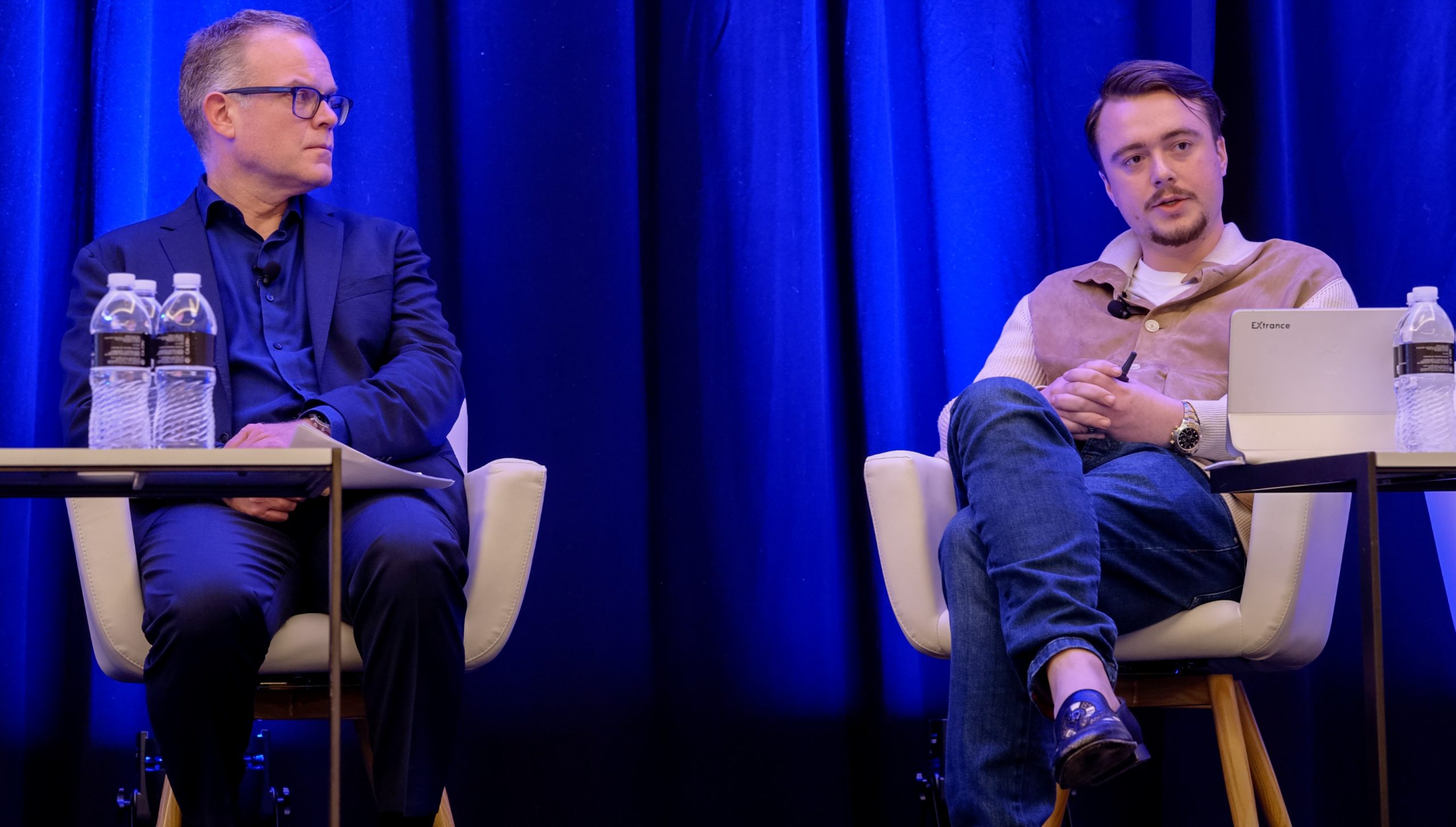
William Lively is a distinguished entrepreneur noted for his groundbreaking work in the fintech sector and his commitment to advancing inclusive technology. As the founder and CEO of EXtrance, Inc., Lively has been pivotal in revolutionizing commercial real estate investment management by leveraging artificial intelligence, machine learning, and blockchain technologies. His career is characterized by a keen ability to develop scalable digital solutions that simplify complex investment processes and enhance transparency for both institutional and retail investors. Before establishing EXtrance, Lively co-founded SyndEX Labs and served as a partner at DCI Capital Advisors, where he guided high-growth startups through strategic funding and technology adoption.
In 2020, William Lively launched the William Lively Foundation to enhance access to technology and entrepreneurship in underserved communities in Minnesota. His foundation is dedicated to promoting digital literacy and fostering the next generation of innovators through educational programs and mentorship initiatives. The following is an interview with Lively, in which he shares insights into his professional journey, the challenges he has faced, and the principles that guide his work.
Professional Growth and Adaptability
What does your typical day look like, and how do you make it productive?
No two days are the same, but structure is key. I start early with a review of key global financial and tech news, followed by deep work hours reserved for strategy, writing, or key decisions – no meetings are scheduled. Afternoons are reserved for team syncs, investor or philanthropic partnerships, and foundation planning. I maintain high productivity by relentlessly prioritizing and protecting my time from distractions. I focus on leverage, where my input creates exponential output.
How do you stay informed about industry trends and emerging technologies?
I immerse myself in interdisciplinary knowledge: fintech, AI, blockchain, and macroeconomic policy. I rely on a blend of curated journals, private industry briefings, and direct conversations with thought leaders – founders, engineers, and policy advisors. I’ve always believed the future doesn’t just arrive – it’s being built quietly. You just have to know where to listen.
Can you recall a significant challenge or failure you faced and how you overcame it?
In EXtrance’s early days, there was intense skepticism around intra-fund liquidity. Institutional investors weren’t convinced that private equity could adopt a matching service model without disrupting the fund structure. The breakthrough came not from pushing harder, but from listening more deeply – building a compliance-first framework, not a product-first one. That pivot attracted key partners and redefined the standard.
Strategic Vision and Leadership
What is your approach to starting a new project?
I begin with the end. What measurable value should exist in the world because of this work? From there, I define the smallest executable vision. I prioritize clarity over perfection and quickly build a small, talented team with aligned values. I believe 80% of a project’s success is determined before it launches – by culture, intention, and communication.
What is the toughest decision you’ve had to make in the last few months? What was the outcome? Would you do anything differently today?
Navigating the transition of EXtrance post-acquisition was emotionally and operationally complex. Letting go of daily leadership required me to trust a new vision while staying true to the legacy we built. I chose to focus on the William Lively Foundation full-time. It was the right decision, though not easy. If anything, I would have started preparing my team emotionally for that transition, not just tactically.
What was the worst job you ever had, and what did you learn from it?
I once worked in a cold storage warehouse, manually logging inventory. It was tedious, physically demanding, and completely uninspiring. But it taught me two priceless lessons: attention to detail matters, and empathy for every role in a system, from the frontline to the executive, creates better leadership.
Tell us about a skill you taught yourself. How did you go about learning?
I taught myself Python and basic machine learning models during EXtrance’s buildout. I didn’t need to become an engineer, but I needed to think like one. I learned through self-paced courses, midnight coding, and asking my team real questions. It changed the way I view product architecture and made me a more effective communicator and problem-solver.
Influences and Success
What people in your life or career have had the most significant impact on you? How?
My mother’s resilience shaped my character more than any mentor. Professionally, a former partner at DCI Capital once told me, “Legacy is not what you leave behind. It’s what you build into others.” That shifted how I lead. Additionally, the founders I’ve invested in – many of whom are younger than me – continue to inspire me with their courage and clarity.
What do you think it is that makes you successful?
Pattern recognition, emotional intelligence, and strategic obsession. I don’t just look for what’s working – I ask why it’s working, and what will break it next. I listen deeply, act quickly, and align myself with people who are smarter than I am. Success is a function of clarity, conviction, and consistent values.
What advice would you give to someone entering your field of work, trying to define their own professional identity and find long-term purpose?
Don’t chase roles – chase questions. Ask what problems you’re willing to lose sleep over solving. Build your identity around values, not titles. Learn how to communicate effectively, listen actively, and continually refine your understanding of success. And remember: real purpose doesn’t just scale—it sustains.
Sustainability and Innovation
What do you see as the most significant trend in fintech today, and how is it shaping the industry?
The convergence of AI and blockchain is monumental. It’s not just about adopting these technologies in silos, but integrating them to redefine trust, efficiency, and personalization in fintech. This combination simplifies complex processes, from compliance to customer service, making financial services more accessible and transparent for everyone. It’s a trend that’s democratisizing finance globally.
How does your work at EXtrance reflect your commitment to inclusive technology?
At EXtrance, we have developed platforms that not only enhance investment transparency but also open opportunities for smaller investors who have traditionally been sidelined. It’s about creating a level playing field by leveraging technology to dismantle barriers to entry and empower diverse investor groups. The same principles guide the William Lively Foundation, where we focus on digital literacy and entrepreneurship in underrepresented communities.
Can you talk about a recent innovation at EXtrance that you’re particularly proud of?
We recently launched an AI-driven analytics tool that provides real-time insights into commercial real estate markets. It allows both institutional and retail investors to make more informed decisions by equipping them with predictive analytics and comprehensive data visualization. It’s a game-changer for transparency and accessibility, aligning with our mission to democratize investment opportunities.
Future Vision and Goals
What are your future goals for the William Lively Foundation?
I envision the foundation as a global leader in inclusive innovation. Our goal is to expand digital literacy programs across the U.S., and eventually, internationally. We aim to partner with educational institutions to integrate technology and entrepreneurship into their curricula, creating a talent pipeline that reflects the diversity of our society. It’s about nurturing the next generation of leaders who will build technologies that serve everyone.
What will be the biggest challenge in achieving these goals?
Scalability and sustainable impact. We must ensure that our programs remain adaptable to local contexts and are continuously refined based on feedback and outcomes. Scaling any initiative requires meticulous planning and strong partnerships that do not dilute its core mission. It’s a balance between growth and maintaining the integrity of our purpose.
Where do you see the fintech industry in the next decade?
Fintech will become synonymous with integrated solutions that blend finance with other sectors like healthcare, energy, and education. The industry will lead in the ethical use of AI, ensuring that automation benefits everyone, not just a privileged few. We’ll see a shift from competing over customer acquisition to creating collaborative ecosystems that deliver holistic value.
Finally, looking back at your career, what would you like to be remembered for?
I’d like to be remembered for building bridges between technology and humanity, for pioneering solutions that not only advanced industries but also uplifted communities. It’s the impact on people’s lives that truly measures a legacy.
In conclusion, William Lively’s contributions to fintech and inclusive technology continue to inspire and drive change. His strategic vision and dedication to empowering underrepresented communities set a benchmark for future leaders in the industry. Lively’s work exemplifies the power of technology to create meaningful and lasting impact.