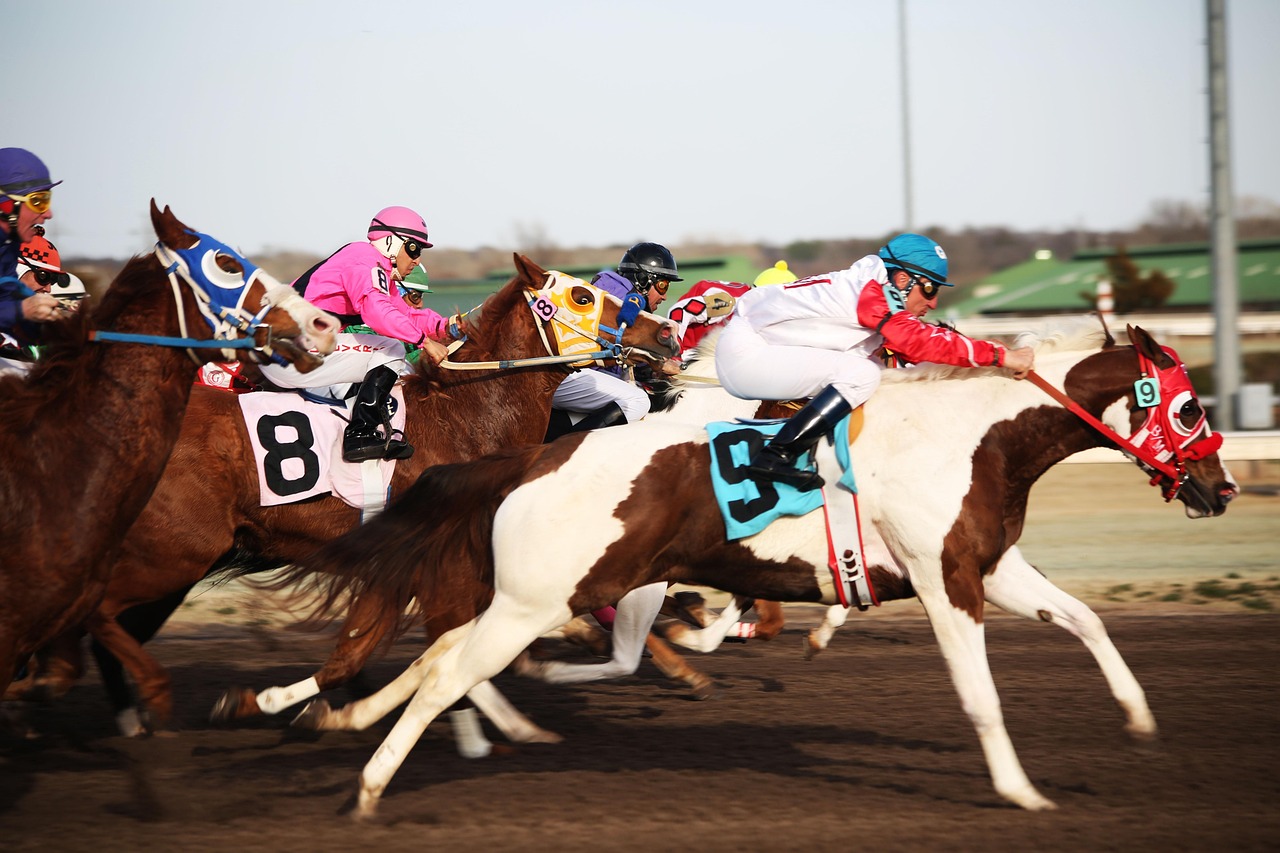
Every May, the Preakness Stakes draws the eyes of the racing world to Baltimore. Held two weeks after the Kentucky Derby, it serves as the second leg of the American Triple Crown. But beyond its spot in that iconic trio, the Preakness commands global interest on its own. Its shorter distance, unique energy, and role in championship narratives make it one of the most-watched horse races internationally. That spotlight naturally brings a surge of betting activity, both domestic and abroad.
The combination of elite competition, compressed form cycles, and market fluctuations creates an event that invites tactical wagering and wide-ranging speculation.
Why the Preakness Commands Global Viewership
The Preakness isn’t just a continuation of the Triple Crown story. It has its own identity—loud, fast, and sometimes unpredictable. While the Derby is a sprawling spectacle, the Preakness compresses the experience into a sharper edge. The race distance of 1 3/16 miles favors tactical speed over late closers, often changing the dynamic and outcome. That shorter stretch creates unique handicapping puzzles not present in the Derby or Belmont.
International viewers are drawn to that variance. Fans from the UK, Japan, and Australia watch closely, especially when foreign-bred colts or international sires enter the American conversation. Even without foreign runners, the Preakness serves as a benchmark for how American dirt horses stack up in real time. European analysts may not favor dirt surfaces, but they still recognize the Preakness as a key piece in the annual global puzzle of three-year-old form.
Media coverage supports that reach. International racing networks stream the event, and social media amplifies analysis instantly. The result is a broadcast footprint that goes far beyond Maryland’s borders. This growing reach is no accident—stakeholders have worked to brand the Preakness as more than just a stepping stone. In doing so, they’ve elevated it into a standalone attraction.
Betting Volume Surges on Preakness Weekend
With global attention comes an explosion in betting activity. While the Kentucky Derby sets the bar for American wagering volume, the Preakness frequently produces sharp swings in odds and betting interest across pools. Much of that comes from bettors re-evaluating what they saw in Louisville. Horses who performed better than expected in the Derby often get overbet. Others with tough trips might offer value if the public overlooks the nuance.
The condensed timeline between races fuels this volatility. Two weeks isn’t long to recover, and form reversals happen often. Bettors who understand bounce theory, trainer intent, and pace evolution have a clear edge. Advanced punters look for horses exiting the Derby with energy in reserve. Meanwhile, new entrants who skipped the Derby entirely add another layer of unpredictability. These “new shooters” bring fresh legs and unexposed patterns, which can disrupt assumptions built off Derby data alone.
Pari-mutuel pools often shift dramatically in the final minutes. That late movement reflects both public sentiment and sharp money. International bettors contribute to those shifts, especially through online markets and legal platforms across Europe and Australia. In the U.S., access has grown through the rise of reputable online sportsbooks like FanDuel, which help fuel mainstream engagement around major races such as the Preakness Stakes.
More fans are gaining access to American pools through these partnerships, increasing volume and tightening spreads.
The Appeal of Tight Turnarounds and Tactical Rides
From a racing strategy standpoint, the Preakness tests both horses and jockeys in unique ways. With limited time between starts, recovery and adaptability often outweigh sheer talent. Some horses thrive in quick turnarounds, while others regress sharply. Trainers with experience handling tight schedules—like Bob Baffert or Steve Asmussen—often have an edge in preparation and reading the field’s energy.
The layout of Pimlico Race Course also adds a layer of complexity. Its tighter turns and older dirt surface create a race that rewards positioning. That makes the break, the first turn, and the second call far more important than in the Derby. Jockeys must make decisions quickly. Hesitation often costs ground, and in a race where margins are thin, small mistakes magnify.
That tactical intensity resonates with global racing fans. While turf racing often rewards late surges and steady builds, dirt contests like the Preakness emphasize early speed and positional control. International bettors accustomed to backing closers must recalibrate for the demands of early acceleration and favorable inside posts.
Narrative-Driven Betting and Emotional Favorites
Because the Preakness is part of the Triple Crown journey, it carries a built-in storyline. Bettors aren’t just wagering on raw numbers—they’re often backing a continuation of Derby drama. If a horse is chasing the Crown, emotion enters the market. Favorites in this scenario usually take on heavier public support, whether justified or not.
That introduces inefficiencies. Sharp bettors recognize inflated odds on rival contenders who were overlooked in Louisville. A horse who ran fourth with traffic might offer more value than the Derby winner, especially if the running style suits Pimlico better. The narrative overlay becomes part of the odds-making equation, and skilled players exploit that.
On the flip side, underlays emerge when sentiment outpaces logic. A well-known horse may not be suited for the tighter turns but still gets bet heavily due to reputation. The betting handle reflects more than speed figures—it captures emotional swings, media influence, and fan loyalty.
Why the Preakness Holds Unique Value for Seasoned Bettors
What sets the Preakness apart is its complexity. The field is smaller than the Derby, but the variables multiply—tight turnarounds, changing surfaces, and reshuffled rivals. Recency bias and fatigue add layers casual bettors often overlook. Experienced players who track trainer patterns, pace maps, and trip notes can find real value. While the field may be compact, the nuances create sharp betting angles. Across all pools, the Preakness remains a calculated bettor’s dream.