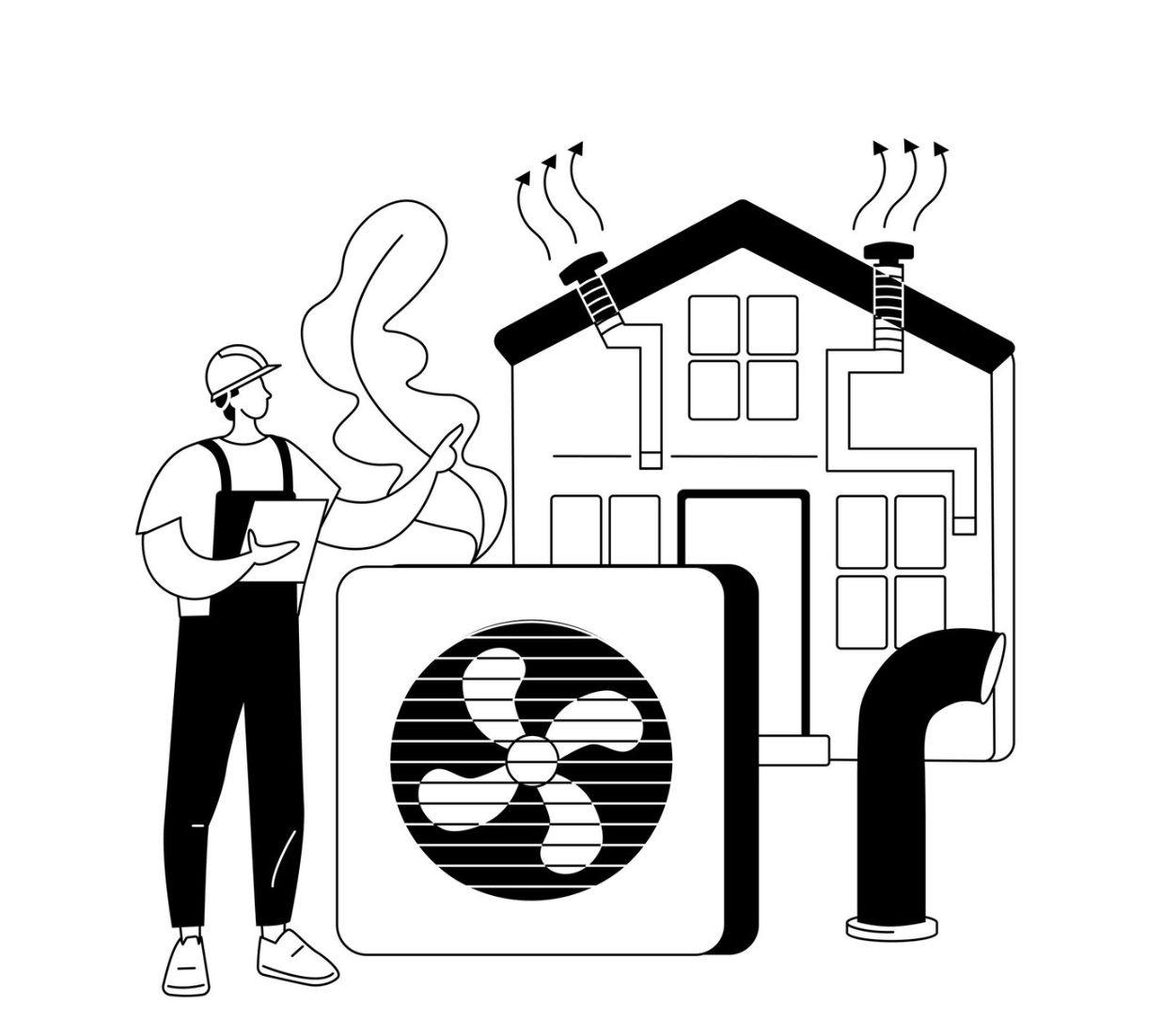
Overexposure to radon gas is one of the most significant health hazards homeowners face. Every year, an estimated 21,000 people in the US die from radon-related lung cancer, making it the leading cause of non-smoking lung cancer-related deaths, second only to smoking.
The good news is that radon is easily detectable and can be reliably addressed. The key to staying safe is having the right detection equipment, using it correctly, and following up with the proper steps when readings show cause for concern.
“With approximately 35 percent of Americans working from home, monitoring your radon levels year-round has never been more crucial,” says Dallas Jones, Vice President at Ecosense Inc. “And radon is a threat that could be found in any type of building in any location.”
Jones has worked in the radon detection and mitigation industry for over 35 years, serving as Vice President of Training, Sales, and Marketing at Radalink Inc. and President of Green Training USA. In 2017, Jones joined the American Association of Radon Scientists and Technologists as Executive Director, where he was accountable for managing all day-to-day operations, supervising public relations and communications strategy, and managing operations staff.
Ecosense Inc. is a leading provider of lung cancer prevention technology that can be used by both homeowners and professionals to test for radon. Its radon monitoring devices provide accurate readings in a fraction of the time required by typical easy-use radon testing kits.
“Myths regarding radon can lead homeowners to believe they are not at risk of exposure,” Jones warns. “For example, some believe high radon levels are only present in older homes, but the truth is any home can have the elements that allow radon to enter and accumulate. The only way to know is to test.”
How long does radon testing take?
Based on recommendations issued by the US Environmental Protection Agency (EPA), homes are often tested for radon as part of the inspection process conducted when a home is sold. The EPA has developed testing protocols designed to address the time constraints imposed by a real estate transaction.
“According to EPA protocols, test devices need to be deployed for a minimum of 48 hours in ‘closed-house conditions,’” Jones says. “Closed-house conditions for a radon test require keeping all windows and doors closed — except for normal entry and exit doors — for at least 12 hours prior to and throughout the test period. This simulates the conditions of a home that’s closed up for most of the year.”
However, a 48-hour test period can be misleading because radon levels can fluctuate throughout the day or from season to season. Modern radon monitors provide more accurate readings by tracking radon levels continuously.
How much does radon testing cost?
For homebuyers, radon testing is included in the cost of the home inspection, though prices of radon testing can vary when done as a stand-alone service request. Jones says homeowners should expect to pay between $150 and $250 to have a professional conduct the test.
In some areas, local or state governments provide easy-use radon testing kits for free, covering the cost of lab analysis. Radon monitoring devices that provide ongoing readings cost between $80 and $200.
Tests and monitoring devices provide readings in picocuries per liter (pCi/L) of air. The EPA encourages homeowners to take steps to reduce radon levels that are between 2.0 and 4.0 pCi/L, If the radon level consistently measures 4 pCi/L or higher, it is essential to hire a radon professional to mitigate the issue.
How are high radon levels addressed?
Radon mitigators help homeowners identify and address the issues causing elevated radon levels. They design and install radon remediation systems that address a home’s unique needs.
The most common radon mitigation technique is Active Soil Depressurization (ASD), which involves installing a system of pipes and fans that draws radon gas from the soil beneath a home and expels it to the outside before it can accumulate indoors. ASD also reduces radon levels by reversing the air pressure difference between the house and the soil, which decreases the amount of radon naturally entering through cracks and other openings in foundations.
“Properly installed radon control systems will permanently reduce radon concentrations by up to 99 percent,” Jones says. “Because most systems prevent soil air from entering the house, homeowners may also notice other air quality improvements, such as lower humidity.”
While the cost of a radon mitigation system varies based on the home size and the components that are required, they generally range from $900 to $3000. Operating costs are typically less than $10 per month, and maintenance costs are minimal.
“Radon mitigation systems are so effective at maintaining low radon concentrations and eliminating daily and seasonal fluctuations that living in a mitigated home reduces the occupant’s risk of radon-induced lung cancer to ALARA (as low as is reasonably achievable), which is even lower than the risk in homes considered ‘safe’ under the EPA’s guidelines,” Jones explains.
Modern radon detection devices provide homeowners with valuable lung cancer prevention technology that should be used to monitor radon levels continuously. When levels are found to be dangerously high, even when only during certain seasons, homeowners should employ the services of certified radon mitigation specialists to ensure levels are reduced to a point where they are not life-threatening.