Seed Oils—such as sunflower, soybean, canola, safflower, and grapeseed oils—are common ingredients in many processed foods. While they are a good source of unsaturated fats for some, you may want to avoid them as part of an overall health strategy.
If you’re looking for ways to cut back on or eliminate seed oils from your diet, here’s how:
1. Read Food Labels
Start by reading the ingredient lists on packaged foods. Seed oils are often listed as sunflower oil, soybean oil, canola oil, safflower oil, or grapeseed oil. The term “vegetable oil” usually refers to blends that contain seed oils.
Knowing how to find these ingredients will help you make healthy choices about what you eat!
2. Choose Alternative Oils
Cooking oils that are not seed-based are better for you. You can start by considering options such as:
- Olive Oil: Full of monounsaturated fats, olive oil is great for heart health and a staple in the Mediterranean diet.
- Avocado Oils: These are also packed with monounsaturated fats. Avocado oils also have a high smoke point (the temperature at which they begin to burn), making them perfect for all types of cooking.
- Ghee or Butter: Both are highly concentrated fats that are especially good for cooking due to their higher smoke point.
Adding these oils to your diet can provide health benefits and spice up your cooking game!
3. Avoid Processed Foods
Seed oils are cheap and have a high shelf life, therefore widely used in processed foods. Here are common processed foods that may contain seed oils:
- Salad Dressings and Mayonnaise: Many salad dressings and mayonnaises are made primarily with seed oils. Making your condiments and dressings at home ensures that you use good ingredients in your meals.
- Baked Goods: Most commercially prepared cookies, cakes, and pastries are made with seed oils. If you bake at home, you can use healthier fats.
- Fried Foods: French fries, fried chicken, and many other fried foods are cooked in seed oils. Opt for baked or grilled alternatives to avoid vegetable oil entirely.
You can also control the types of fats you eat when cooking your meals from scratch.
4. Shop at Health Food Stores
Health food stores typically carry a wider selection of products made with alternative oils. In some cases, you might find diet-specific food products that are seed-oil-free.
5. Consider Other Sources of Healthy Fats
Incorporate whole foods that are a great source of healthy fats in your regular diet. This includes:
- Nuts and Seeds: Almonds, walnuts, and chia seeds are high in beneficial fats and other nutrients.
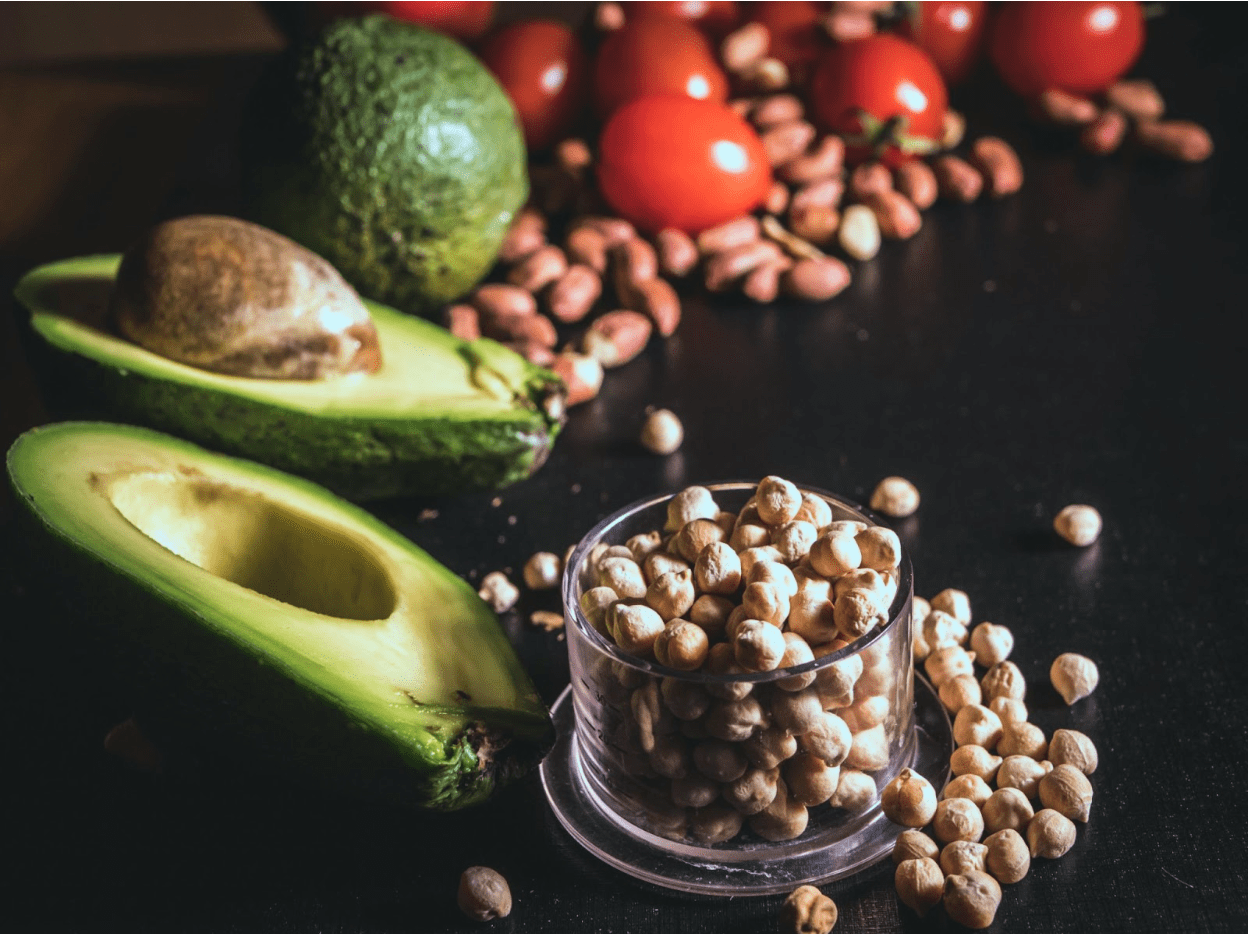
- Avocados: This versatile fruit is filled with monounsaturated fats. You can add them to any meal for a burst of flavor and nutrition.
- Fatty Fish: Salmon and sardines can be a great source of omega-3 fatty acids that support heart health.
These foods provide healthy fats and contribute to a balanced and nutritious diet.
Exceptions and Considerations
Not all seed oils are bad for you. For instance, Olive and Avocado oils are technically fruit seed oils, but still considered healthy. In addition, some, like hemp seed oil, have the naturally required 3:1 ratio of omega-6 fatty acids to omega-3 fatty acids.
Before making any drastic changes to your current dietary pattern, particularly if you have preexisting health conditions, it is worth consulting with a qualified healthcare practitioner for personalized guidance based on your unique circumstances.
Donna Shunk, a seasoned professional in the consumer-packaged goods industry, emphasizes the importance of informed choices in dietary habits. Her extensive experience underscores the value of selecting high-quality products and understanding their ingredients.