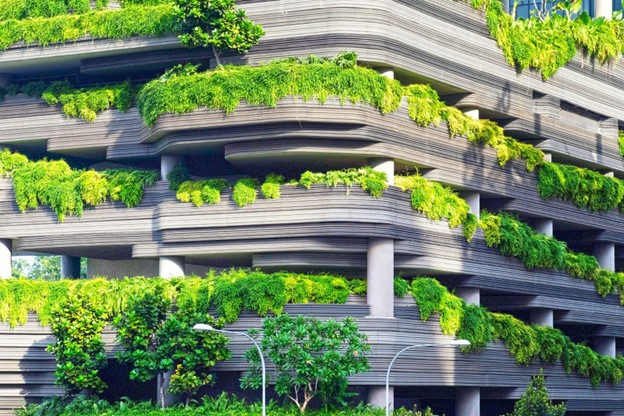
Cities are growing faster than ever, and with this growth comes significant challenges. Climate change, dwindling resources, and rising populations demand innovative solutions. Sustainable architecture offers a path forward, merging practical design with environmental responsibility. By rethinking how spaces are built and used, architects and urban planners can create cities that meet today’s needs without compromising tomorrow.
The Challenges Facing Urban Areas
Urban areas are at the forefront of humanity’s growth, innovation, and challenges. As city populations swell, the strain on resources, the environment, and infrastructure intensifies. From overcrowded housing and traffic congestion to rising energy demands, cities demand architectural strategies that adapt to today’s reality while anticipating future needs.
“Rapid population growth in cities is reshaping the way urban spaces function,” says Brooklyn-based architect and urban designer Joe Fekete. “With millions flocking to urban centers each year, the strain on housing, transportation, and basic utilities is becoming increasingly apparent. Limited land forces cities to expand vertically, creating densely packed neighborhoods.”
With this type of overcrowding comes issues like insufficient green spaces, overburdened infrastructure, and reduced quality of life. Efficient design solutions are no longer a luxury—they are a necessity. New buildings must maximize available space while integrating natural light, airflow, and energy efficiency.
Mixed-use developments, combining residential, commercial, and recreational spaces, offer a way to meet diverse needs in limited areas. Additionally, urban designs must prioritize public transit accessibility and pedestrian-friendly pathways, reducing dependence on private vehicles to support sustainable growth.
Urban development poses a significant threat to the environment. Construction projects consume vast amounts of natural resources and often generate considerable waste. Cities are also major contributors to greenhouse gas emissions, driven by energy-intensive infrastructure, vehicular traffic, and heavy reliance on non-renewable energy sources.
Increased urbanization leads to the destruction of natural habitats, further straining ecosystems and threatening biodiversity. Addressing this issue requires architects and planners to adopt greener building practices. Utilizing low-impact construction materials, incorporating renewable energy systems like solar or wind, and designing landscapes that blend with nature can all reduce a project’s carbon footprint.
Urban areas are some of the largest consumers of energy worldwide. Buildings, which dominate city landscapes, account for a significant portion of energy demands. From heating and cooling to lighting and ventilation, poorly designed structures can waste vast amounts of energy. To reduce energy consumption, architecture must embrace energy-efficient designs from the blueprint stage.
High-performance materials, better insulation, and smart technology can greatly lower energy needs in new constructions. Retrofitting older buildings with renewable energy installations and energy-saving systems is equally important. Urban planners must also consider district-level solutions, such as microgrids and energy-sharing systems, that cater specifically to the unique energy needs of dense populations.
Principles of Sustainable Architecture
Sustainable architecture is driven by a commitment to creating buildings and spaces that harmonize with the environment while fulfilling human needs. It prioritizes energy efficiency, resource management, and social inclusivity, ensuring a balance between functionality and ecological responsibility. By incorporating innovative approaches and considerate designs, sustainable architecture promises a healthier and more equitable future for urban development.
Reducing energy consumption is a cornerstone of sustainable architecture. Creating buildings that use less energy begins with thoughtful design and proper material selection. Passive design principles, which utilize natural elements such as sunlight and ventilation, are key to minimizing energy needs. Renewable energy integration is another powerful strategy.
Solar panels, wind turbines, and geothermal systems provide cleaner energy alternatives that reduce dependency on non-renewable resources. In addition to incorporating renewable systems, sustainable designs often rely on energy-efficient materials. Architects and urban planners also recognize the importance of smart technology in energy-efficient buildings. Automated systems that adjust lighting, temperature, and energy consumption in response to real-time needs can significantly boost efficiency.
Sustainable architecture extends to the construction process itself. Resource-conscious construction focuses on reducing waste, reusing materials, and selecting resources with a minimal environmental impact. Selecting sustainable building materials is a critical component of this approach. Materials like reclaimed wood, recycled steel, and low-carbon concrete reduce the demand for finite natural resources.
Additionally, bio-based materials such as bamboo, cork, and hemp offer renewable alternatives that are both durable and environmentally friendly. Reducing waste during construction is another important goal. Modular building techniques, which involve assembling prefabricated components, can drastically cut material waste while speeding up the building process.
Sustainable architecture is reducing environmental impact and is about fostering communities and addressing social needs. Spaces must be inclusive, accessible, and designed to serve diverse populations. Accessibility plays a major role in social inclusiveness.
Buildings and public spaces should be designed to accommodate people of all abilities, ensuring freedom of movement and access. Features such as ramps, elevators, and universal design elements make spaces usable for all members of the community. By integrating cost-effective materials and energy-efficient systems, architects can design sustainable structures that remain financially viable for residents.
Innovative Technologies Shaping Sustainable Design
The future of sustainable architecture relies heavily on the integration of new technologies that address the pressing challenges of urban development. By prioritizing efficiency and environmental balance, these advancements are transforming how buildings are constructed, operated, and integrated into their surroundings. This approach reduces environmental impact but also redefines how urban spaces can serve communities in healthier, more sustainable ways.
Smart building systems are revolutionizing urban architecture by using technology to improve energy efficiency and overall building performance. These systems rely on tools like the Internet of Things (IoT) and smart grids to create connected environments that respond dynamically to the needs of occupants.
Sensors, automated controls, and real-time analytics work together to reduce energy consumption by optimizing heating, cooling, and lighting. Moreover, smart technologies allow buildings to connect internally as well as with city-wide infrastructure. Smart systems can communicate with local utilities to manage energy loads during peak times or contribute surplus energy generated from renewable sources.
Incorporating greenery into urban architecture provides significant environmental and economic benefits. Green roofs, which involve layering soil and vegetation atop structural rooftops, act as natural insulators, reducing energy costs by maintaining indoor temperatures. They also absorb rainwater, decreasing urban flooding risks and reducing pressure on stormwater systems.
Sustainable architecture offers a clear path to addressing the pressing challenges of urban growth and environmental strain. By integrating innovative technologies, resource-efficient methods, and community-focused designs, cities can redefine their future.
This means creating healthier, more connected spaces where people and the planet can thrive together. The transition requires collective vision and bold decision-making from architects, planners, and policymakers. Investing in greener cities today ensures a legacy of resilience for generations to come.