Natural disasters are becoming more frequent and severe and their destruction farther reaching. From hurricanes to wildfires, the damage can disrupt lives and livelihoods in an instant. Protecting homes and businesses isn’t something to put off. It’s a responsibility that saves both lives and property. Preparedness is the best defense and knowing what steps to take can make all the difference when disaster strikes.
Understanding Natural Disasters and Their Impact
Natural disasters are forces of nature that can significantly disrupt lives, property, and local economies. They strike with little to no warning, leaving a path of destruction that often requires years of recovery. Understanding the types of natural disasters and their consequences helps in building resilience and minimizing harm.
Hurricanes are massive storms fueled by warm ocean waters, bringing heavy rain, violent winds, and storm surges. These can destroy homes, flood neighborhoods, and topple power lines over large areas. Tornadoes, on the other hand, are localized but highly destructive. Their concentrated wind speeds can rip roofs off buildings, snap trees, and reduce entire structures to rubble in seconds.
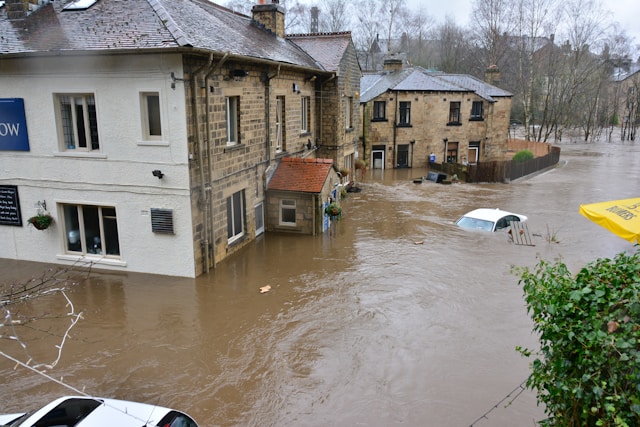
Earthquakes can shake the ground unexpectedly, causing buildings and bridges to collapse. They may also trigger secondary hazards, such as landslides or tsunamis, creating even more widespread destruction. Floods, often caused by heavy rainfall, hurricanes, or dam failures, can submerge homes, wipe out infrastructure, and leave behind costly water damage and debris. Wildfires, whether sparked by lightning or human activity, devour everything in their path. They move quickly, burning vast areas of land, destroying properties, and overwhelming entire ecosystems.
Adam S. Kaplan advises “Preparedness should always be a top priority—planning ahead is the foundation of strong risk management.”
Each type of disaster brings unique challenges, but all leave lasting impacts on individuals and communities. Knowing how they affect structures and landscapes is the first step in mitigating risks. Preparedness is essential for minimizing both damage and recovery time. For individuals and businesses alike, having a well-thought-out plan can mean the difference between manageable setbacks and unrepairable loss.
Creating evacuation plans, installing protective measures like storm shutters, and securing appropriate insurance coverage are small steps that yield significant benefits. For businesses, regulatory compliance often requires specific preparedness measures. These can include maintaining fire safety systems or ensuring structural integrity against seismic events.
Adhering to these regulations may feel cumbersome, but they are crucial for both operational continuity and employee safety. Taking action beforehand ensures faster recovery and reduces the uncertainty that disasters bring.
Protecting Your Home from Natural Disasters
When natural disasters strike, homes often bear the brunt of the damage. Taking proactive steps to protect your property can significantly reduce risks and give families greater peace of mind. Preparation includes understanding potential threats and strengthening every aspect of the home.
Every region has unique natural disaster threats. Living near a coastline means hurricanes and flooding could be top concerns, while inland areas might face tornadoes or earthquakes. To properly safeguard a home, homeowners must start by understanding the specific risks in their area. This involves researching local hazard maps, reviewing historical disaster data, and staying informed about seasonal weather patterns.
Vulnerabilities also vary from house to house. For example, older homes may lack the structural reinforcements needed to handle high winds or tremors. Homes in low-lying areas might be more prone to flooding. A full assessment, ideally with the help of a professional inspector, can pinpoint weak spots such as doors, windows, roofs, and even landscaping that could worsen disaster risks. Knowing these details makes it easier to prioritize protective upgrades.
Once risks are identified, reinforcing your home becomes a critical step. A strong roof is essential for withstanding high winds and heavy rains. Homeowners should inspect their roofs for loose shingles or weakened areas and make repairs as needed. Roof straps or ties can be added to connect the roof more securely to the walls, reducing the chances of it being torn away during a storm.
Storm shutters are another valuable addition, protecting windows and doors from flying debris. For areas prone to tornadoes or earthquakes, securing heavy furniture and appliances can prevent them from becoming dangerous projectiles. Outdoor hazards like loose garden furniture or decorative items should also be tied down or moved inside when severe weather is expected. These straightforward measures can prevent catastrophic damage to the home and keep families safer during emergencies.
Having a solid emergency plan is just as important as preparing the house itself. Every family should have clear evacuation routes mapped out, especially if they live in wildfire or flood-prone areas. Knowing where to go and how to get there quickly can save lives. It’s also key to establish a safe meeting location in case family members are separated during an emergency.
Emergency contacts should include not only close family and friends but also local authorities and disaster response agencies. Writing these numbers down in a waterproof document ensures they’ll be accessible even if power or cell service is lost. A disaster kit stocked with essentials like water, non-perishable food, flashlights, and first aid supplies should be assembled and stored in a convenient, portable container. Regularly reviewing and practicing the family’s emergency plan ensures everyone knows what to do without hesitation.
Modern technology plays a crucial role in helping families prepare for disasters. Weather monitoring apps and alert systems provide real-time updates, giving households valuable time to act. For example, apps like NOAA Weather Radar or AccuWeather can send severe weather alerts directly to a smartphone. These tools also offer detailed information, such as storm paths or expected rainfall, helping users make informed decisions.
Safeguarding Your Business Assets
When natural disasters strike, businesses face challenges beyond immediate physical damage. Preparation, planning, and prioritizing employee safety ensure faster recovery and long-term survival. A strong business continuity plan keeps operations running despite disruptions. Identifying critical processes and ensuring access to cloud-based systems and offsite servers protects vital data, while regular backups minimize downtime.
Alternative work arrangements, such as remote work or temporary office spaces, keep teams operational during recovery. Reviewing insurance policies is essential, ensuring coverage aligns with risks like floods, earthquakes, or fires to prevent financial losses. Safeguarding business property includes reinforcing windows, securing equipment, and inspecting buildings for structural weaknesses. Exterior enhancements, like storm shutters, further reduce damage.
Employee safety is paramount. Regular training and drills familiarize teams with evacuation procedures, emergency supplies, and response plans. Clear safety protocols and assigned responsibilities enhance organization and efficiency, reducing risk and protecting lives.
Disaster-specific insurance is crucial for financial stability post-crisis. Many standard policies exclude major events, so reviewing and updating coverage is vital. Business interruption insurance helps recover lost revenue, allowing businesses to rebuild without financial strain. Proper preparation and coverage provide a critical safety net, ensuring resilience in the face of disaster.
Protecting homes and businesses from natural disasters demands proactive planning and ongoing awareness. The costs of inaction, both financial and emotional, far outweigh the time and effort invested in preparedness. Taking steps today, such as assessing risks, fortifying structures, and creating emergency plans, ensures a stronger defense when disaster strikes.
Community collaboration and technological tools further enhance resilience, offering support and timely information when it matters most. Preparedness saves lives, protects assets, and builds a foundation for faster recovery. Act now to safeguard what matters most and face the unexpected with confidence.