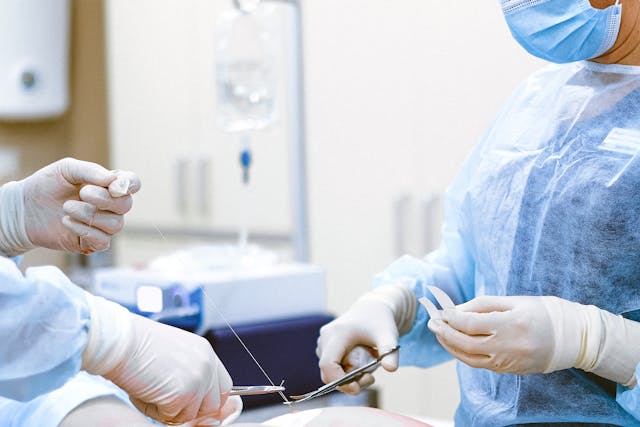
Preventive healthcare has become a focal point in modern medicine, aiming to reduce the prevalence of chronic illnesses, lower healthcare costs, and improve overall public health. Instead of solely treating diseases after they occur, preventive healthcare emphasizes early intervention, risk reduction, and patient education to keep individuals healthier for longer.
Nurses play a crucial role in this proactive healthcare approach. As frontline healthcare professionals, they educate patients, conduct screenings, administer immunizations, and promote healthy lifestyles. Their contributions extend beyond hospital walls, reaching communities, homes, and even digital platforms through telehealth services.
However, to be effective in preventive healthcare, nurses require the right education and training. Programs designed to fast-track nursing careers offer an efficient pathway for those who wish to enter the nursing field and contribute to this essential aspect of healthcare.
The Importance of Nursing Education in Preventive Healthcare
A well-trained nursing workforce is fundamental to effective preventive care. Nurses must be equipped with the necessary knowledge to assess patient risks, educate on disease prevention, and provide timely interventions. This expertise is acquired through comprehensive nursing education, which focuses on areas such as public health, patient advocacy, and chronic disease management.
For individuals who hold a bachelor’s degree in a non-nursing field but wish to transition into nursing, online ABSN programs provide an excellent opportunity. These programs allow career changers to fast-track their education and enter the nursing profession in a shorter timeframe compared to traditional nursing programs. Through a combination of online coursework and in-person clinical training, students gain the critical thinking skills and hands-on experience needed to make a meaningful impact in preventive healthcare.
Graduates from these programs are well-prepared to take on vital nursing roles, whether in hospitals, clinics, or community settings. With an increasing demand for skilled nurses, particularly in preventive healthcare, pursuing an ABSN program is a strategic and rewarding choice for those looking to make a difference in public health.
Nurses as Frontline Advocates for Preventive Healthcare
Nurses serve as the first point of contact for many patients, making them key figures in health promotion and disease prevention. Their responsibilities in preventive healthcare go beyond basic patient care, encompassing a range of essential services that help individuals maintain good health and avoid serious illnesses.
1. Health Screenings and Immunizations
Routine screenings for conditions such as high blood pressure, diabetes, and certain cancers enable early detection and intervention. Nurses play a critical role in conducting these screenings and advising patients on the next steps if any abnormalities are detected. Similarly, administering immunizations helps prevent the spread of infectious diseases, protecting both individuals and the broader community.
2. Lifestyle Counseling and Education
One of the most effective ways to prevent chronic diseases is through lifestyle modifications. Nurses educate patients on maintaining a balanced diet, engaging in regular physical activity, avoiding tobacco and excessive alcohol consumption, and managing stress. These conversations empower individuals to make healthier choices that reduce their risk of developing conditions such as heart disease, obesity, and type 2 diabetes.
3. Chronic Disease Management
For patients already diagnosed with chronic conditions, preventive healthcare focuses on preventing complications. Nurses provide essential guidance on medication adherence, symptom monitoring, and self-care strategies. It not only improves patient outcomes but also reduces hospitalizations and emergency room visits.
Community-Based Nursing: Expanding Preventive Efforts Beyond Hospitals
While hospitals remain essential healthcare settings, many preventive healthcare initiatives take place in community settings. Nurses working in schools, workplaces, and local organizations bring healthcare directly to the populations that need it most.
1. Public Health Nursing
Public health nurses focus on educating communities about disease prevention and healthy living. They conduct wellness workshops, organize vaccination drives, and collaborate with local organizations to address specific health concerns affecting the community.
2. Home Healthcare Nursing
For individuals who have difficulty accessing traditional healthcare facilities, such as older people, disabled individuals, or those in rural areas, home healthcare nurses provide essential services. They assist with managing chronic illnesses, ensure patients adhere to prescribed treatments, and offer health education tailored to the individual’s living conditions.
3. School and Workplace Nursing
Schools and workplaces are key environments for preventive healthcare. School nurses ensure children receive necessary vaccinations, address student health concerns, and educate young people on healthy habits. Workplace nurses help employees manage stress, improve ergonomics, and adopt healthier lifestyles, reducing absenteeism and enhancing productivity.
Community-based nursing helps bridge gaps in healthcare access, ensuring more people benefit from preventive services. By reaching patients where they live, learn, and work, nurses can have a more significant and lasting impact on public health.
The Role of Technology and Telehealth in Preventive Nursing
Advancements in technology are transforming the way nurses deliver preventive care. Telehealth, in particular, has revolutionized access to healthcare services, making it easier for patients to receive medical advice and early intervention without having to visit a clinic or hospital.
1. Telehealth Services
Nurses utilize telehealth platforms to conduct virtual consultations, monitor chronic conditions, and provide follow-up care. It is especially beneficial for individuals in remote areas who may have limited access to healthcare facilities. Telehealth also allows nurses to reach more patients efficiently, ensuring preventive measures are taken before conditions worsen.
2. Mobile Health Applications and Wearable Devices
Smartphone apps and wearable devices help individuals track their health metrics, such as heart rate, blood pressure, and physical activity levels. Nurses can use this data to identify early warning signs and intervene when necessary. By integrating technology into preventive care, nurses can offer real-time support and promote patient engagement in their health.
3. Electronic Health Records (EHRs)
EHRs help nurses keep track of patient histories, ensuring timely screenings and vaccinations. Automated reminders and patient portals also improve communication between nurses and patients, reinforcing the importance of preventive care.
With the integration of technology, nurses can extend their reach, improve patient adherence to preventive measures, and make healthcare more accessible and efficient.
Preventive healthcare is a powerful tool in reducing disease prevalence and improving overall well-being. Nurses, as key players in healthcare, are at the forefront of this effort, educating patients, conducting screenings, managing chronic conditions, and implementing community health initiatives.
Through comprehensive nursing education, aspiring nurses can gain the necessary skills to contribute to this essential healthcare approach. Nurses can continue to shape the future of preventive healthcare and drive better patient outcomes by embracing technology, advocating for policy changes, and overcoming implementation challenges.
The road to a healthier society starts with prevention, and nurses are leading the way.