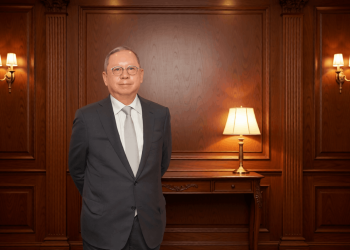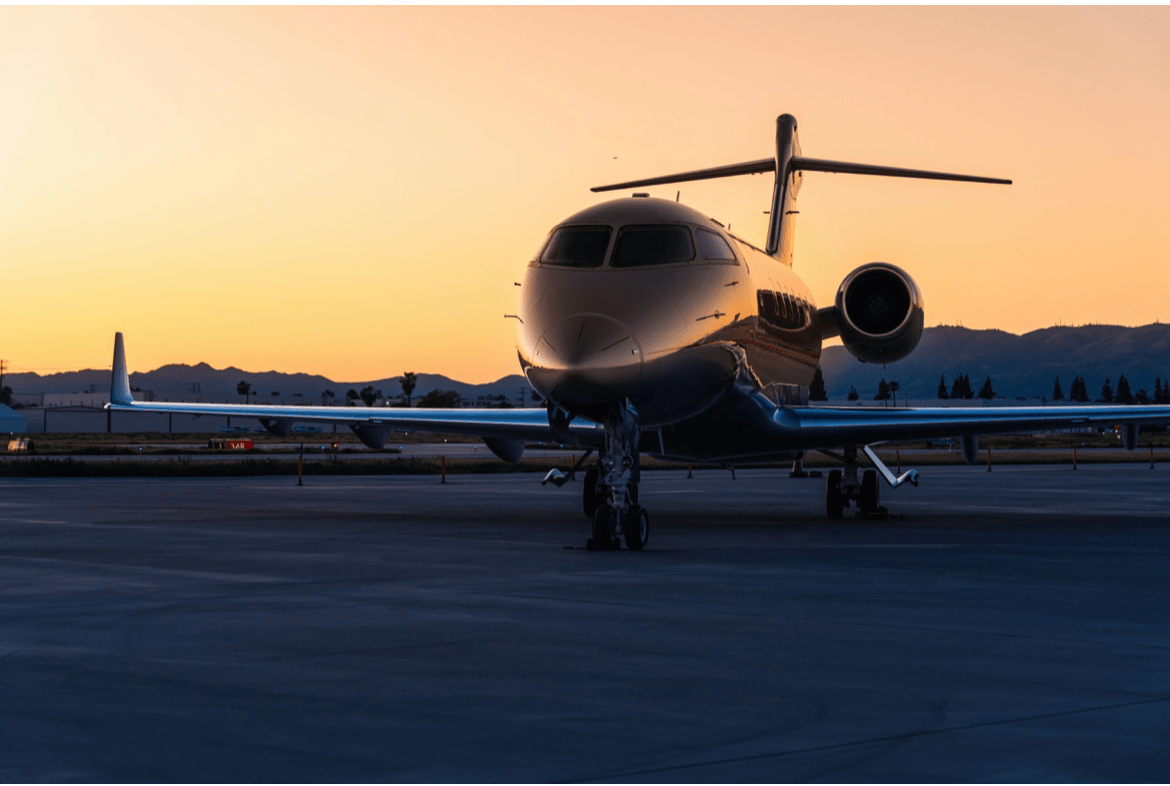
Travel has always been a key component of growing a successful business. However, traveling to meetings, which today can often involve flying across or between continents, poses significant challenges due to the high expenses associated with owning private jets. VistaJet founder Thomas Flohr recognized this challenge and designed the company around a business model that provides clients cost-effective solutions for maintaining global connections.
VistaJet distinguishes itself from its competitors by offering a subscription-based model that provides clients with fixed hourly rates and multiyear commitments. This approach contrasts sharply with traditional aircraft ownership and fractional ownership models, which often entail hidden costs and unpredictable long-term expenses.
It’s a strategic move that’s fueled Malta-based VistaJet from its humble beginnings with two aircraft in 2004 to operating what the company calls “the first and only global private aviation company.”
“We offer a subscription business model where you only buy the hours you need on a three-year contract,” Thomas Flohr explained in an interview with CNBC. “And it’s guaranteed availability, anywhere, anytime. Whether you’re in Japan, in southeast Asia, in the Middle East, in America, South America — you have guaranteed availability around the globe.”
How VistaJet’s Subscription-Based Model Works
VistaJet’s Program membership is designed for corporate leaders and private individuals seeking the benefits of private jet travel without the complexities of ownership. Clients commit to a specific number of flying hours per year, with options starting at 25 hours, and enter into three-year agreements.
This commitment ensures guaranteed availability globally with as little as 24 hours’ notice on a consistent branded fleet, all at a fixed hourly rate. Rates vary according to the market and start from $11,000 per hour.
The fixed hourly rate encompasses various services, including crew, maintenance, and operational support, allowing clients to have a clear understanding of their travel expenses without unexpected costs. Additionally, VistaJet’s global infrastructure eliminates the need for clients to worry about aircraft positioning fees or intracontinental flight fees within regions like the European Union and the United States.
Thomas Flohr Wants VistaJet To Mitigate Financial Risk for Clients
Traditional private jet ownership involves significant upfront capital investment, depreciation, and ongoing operational costs. Owners are responsible for expenses such as maintenance, crew salaries, insurance, hangar fees, and regulatory compliance. Operating a jet can cost up to $4 million annually, excluding the initial purchase price, which can range from $3 million to $75 million. These numbers vary depending on the size, age and type of aircraft.
Fractional ownership models, where individuals purchase a share of an aircraft, also come with complexities. Owners pay a portion of the acquisition cost, along with monthly management fees and occupied hourly rates. While this model reduces the initial investment compared to full ownership, it still exposes owners to fast depreciation and no way to control over the aircraft’s residual value. Moreover, fractional ownership agreements often have long-term commitments.
Thomas Flohr said he developed the VistaJet model after experiencing frustration in finding private aviation services that provide both cost efficiency and luxury when trying to book flights in his former job in asset finance. He also saw the financial burden companies faced with partial or full ownership of a private jet.
He said it’s especially a financial hardship for companies that only use planes around 250 hours, which he says is the typical level of use. “I believe that corporations should invest their equity in building their core businesses,” Flohr told McKinsey & Co. “At the end of the day, an aviation service is a service you can easily outsource. Why would you have your equity stuck in something that is not your core business?”
He added, “We don’t think corporations should invest in their own aircraft because we have proven we can do it for them at a price point that can be less than half the price of owning a jet.”
The VistaJet Model Also Offers Flexibility and Customization
In addition to lowering the cost of using private business aircraft, VistaJet’s model offers flexibility that traditional ownership and fractional models may lack. Clients can choose the number of hours that align with their travel needs and have the option to adjust their commitment as those needs evolve. The company provides access to a range of aircraft sizes and configurations, allowing clients to select the most suitable option for each journey without being tied to a specific aircraft.
VistaJet’s global reach also ensures that clients can access private jet services worldwide without the limitations that come with owning an aircraft based in a specific location. This flexibility is particularly beneficial for clients with international travel requirements, as it eliminates the need for repositioning flights and associated costs.
The business strategy benefits VistaJet as well. The subscription-based model offers a predictable revenue stream. This financial stability enables the company to invest in fleet maintenance, staff training, and service enhancements. By maintaining total control over the fleet, VistaJet can provide the highest level of aircraft standards, scheduling, and availability.
Thomas Flohr said the global scale of VistaJet requires the company to focus on constant improvement. He told Barron’s that the company is “serving the most influential and smartest people in the world and they do have the highest standards. To bring them together to work in all those different time zones, being omnipresent, basically, at any given point in time, is certainly one of the biggest challenges.”