After an unattended death or traumatic incident, professional death cleanup services become essential. These services not only restore the space to a safe and sanitary condition but also provide invaluable support during a challenging time. Understanding what death cleanup entails and why professional assistance is critical can help ease some of the burdens during an already difficult period.
What Are Death Cleanup Services?
Death cleanup services specialize in cleaning and disinfecting areas where a death has occurred, particularly if the death was unattended or resulted from trauma. These services address biological hazards such as blood, bodily fluids, and decomposition materials that pose serious health risks. More than just cleaning, the goal is to restore the place to a safe, habitable condition while following strict health and safety regulations.
Why You Should Trust Professionals
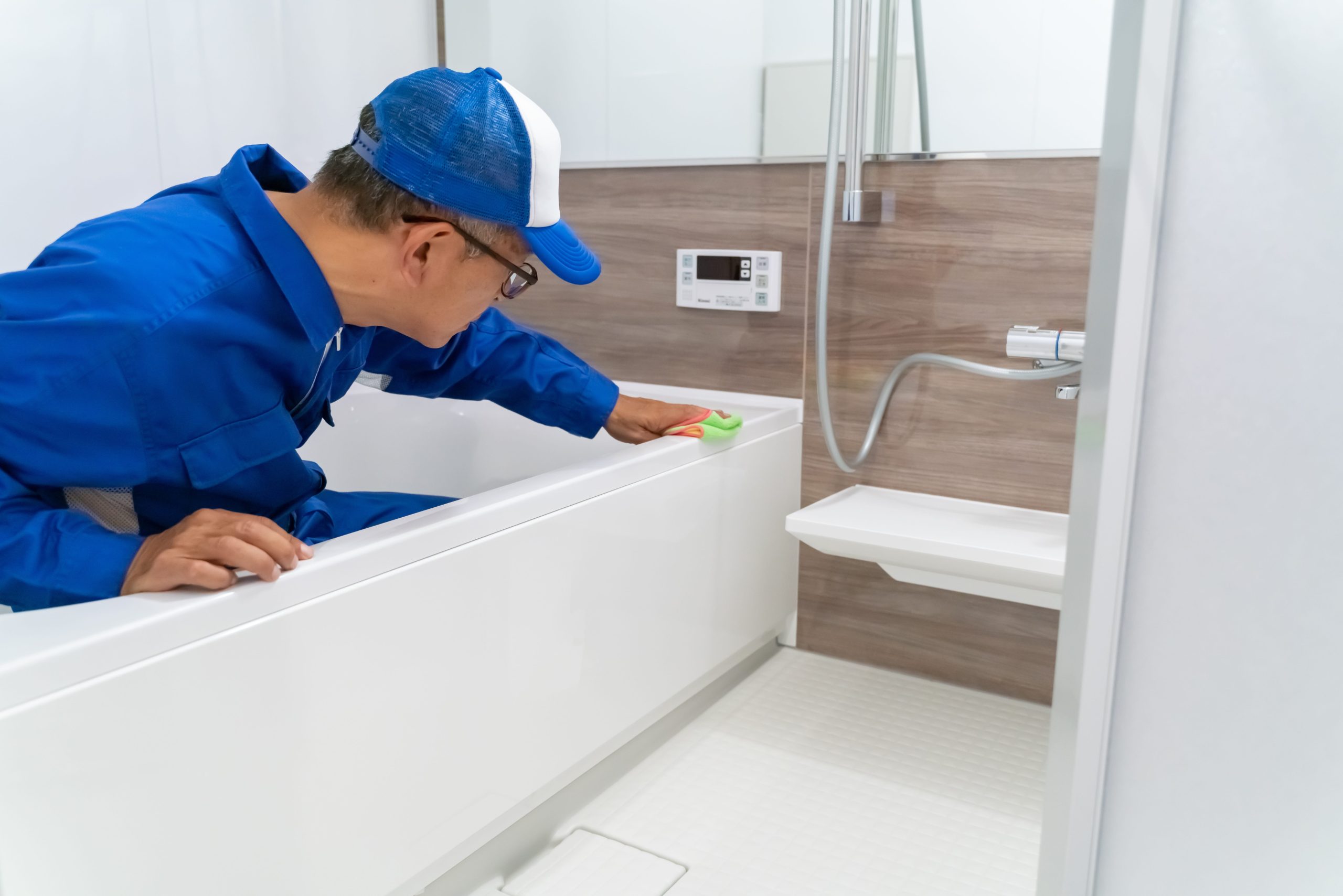
Handling a death cleanup on your own is not only emotionally taxing but also dangerous due to the biological hazards involved. Professional death cleanup technicians are equipped with specialized training, protective gear, and cleaning agents to safely and effectively manage the process.
Furthermore, they offer a compassionate approach, respecting the emotional toll on family members while ensuring the property is restored to a livable state. If you’re searching for dependable help, consider reaching out to trusted unattended death cleaning services for expert assistance tailored to your needs.
The Process of Death Cleanup
Death cleanup is a meticulous and regulated process that prioritizes safety, hygiene, and compassion. Here’s a closer look at how professionals approach the task:
1. Assessment and Planning
Upon arrival, the cleanup team assesses the situation to determine the extent of contamination and the equipment required. Every situation is unique, so a customized plan is developed to ensure the cleanup is thorough and efficient.
2. Removal of Contaminated Items
Items that cannot be disinfected, such as carpeting, furniture, or bedding, are carefully removed and disposed of according to health regulations. This step prevents lingering odors and ensures the area is free from biological hazards.
3. Sanitization and Disinfection
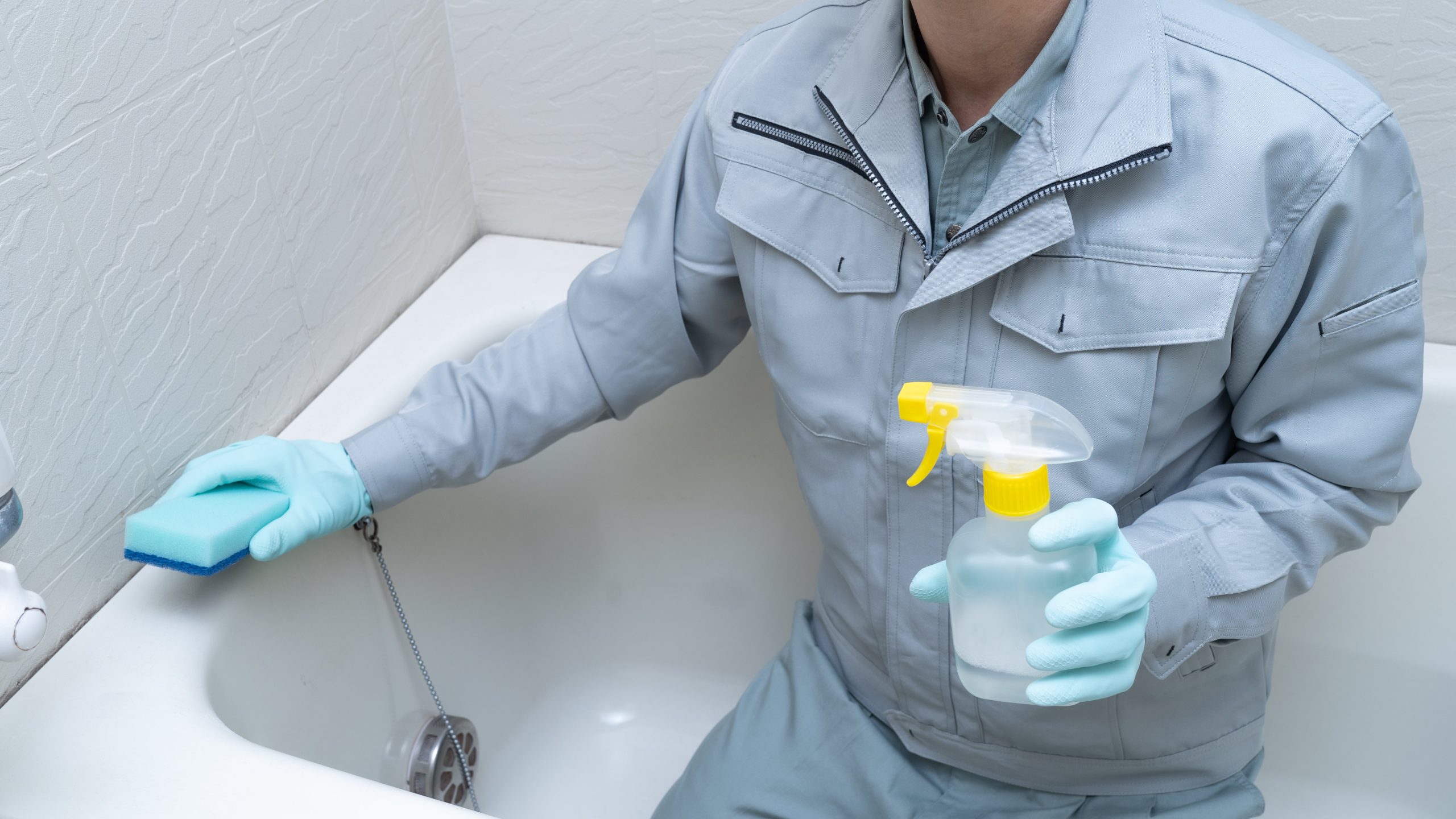
High-grade cleaning agents and equipment are used to sanitize all affected areas. This includes cleaning surfaces, floors, walls, and even air vents to eliminate bacteria, viruses, and odors caused by decomposition.
4. Odor Removal
Decomposition often leaves behind persistent odors. Professionals use industrial-strength deodorization techniques such as ozone treatment or hydroxyl generators to neutralize smells effectively.
5. Final Inspection
Once the cleaning is complete, the team conducts a thorough inspection to ensure the area is fully restored and safe for reentry. They also provide documentation for insurance purposes if needed.
Types of Death Cleanup Services
Death cleanup services encompass a variety of specialized cleaning tasks aimed at addressing the aftermath of traumatic events such as unattended deaths, suicides, and crime scenes. These scenarios often result in the presence of bodily fluids, bloodborne pathogens, and other hazardous materials, requiring a professional approach to ensure safety and hygiene.
1. Unattended Death Cleanup
When someone passes away alone and their death goes unnoticed for a period, the decomposition process can create biohazards that are dangerous to handle without proper training. Unattended death cleanup services focus on restoring affected areas by removing biological contaminants and odors left behind.
2. Suicide Cleanup
Suicide loss survivors usually face overwhelming emotional trauma and practical challenges in the aftermath of such a loss. The presence of a professional cleanup team helps alleviate some of these burdens by ensuring the safety and sanitary condition of the affected areas.
3. Crime Scene Cleanup
Crime scene cleanup services involve removing blood, bodily fluids, and other hazardous materials resulting from violent incidents. These services work hand-in-hand with crime scene investigation teams to ensure the site is properly restored.
4. Biohazard Cleanup
Biohazard remediation goes beyond death cleanup to address contamination caused by events like industrial accidents, infectious disease outbreaks, and other scenarios requiring specialized cleaning protocols.
Timeliness is critical when dealing with an unattended death or trauma scene. The longer a scene is left untreated, the greater the risk of biohazards spreading. Prompt cleanup not only minimizes health risks but also prevents structural damage to the property caused by decomposition. Moreover, addressing the situation quickly allows families to focus on their healing process rather than dealing with the physical aftermath of the event.
Bottom Line
Professional cleaners are knowledgeable and trained to handle sensitive situations with discretion, empathy, and expertise. These experts manage the technical and emotional challenges of restoring a space, allowing you to focus on what matters most: grieving, healing, and finding closure. When tragedy strikes, don’t hesitate to seek professional help—it’s a step toward recovery and ensuring a safe environment for everyone involved.