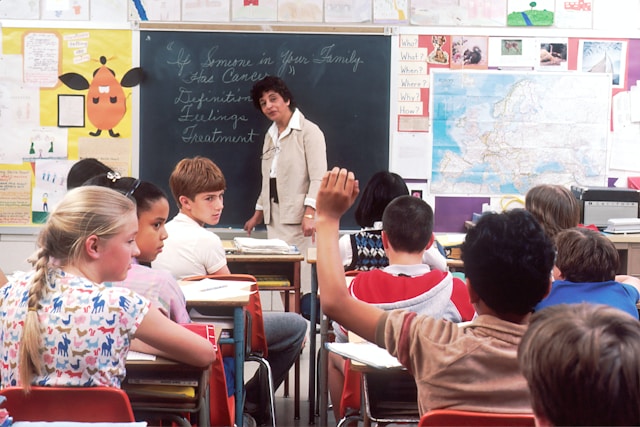
Engaging students and integrating creativity into education is paramount in today’s rapidly evolving academic landscape. The dynamic nature of learning environments necessitates innovative approaches that captivate students’ interests and cater to diverse learning styles. From leveraging digital tools to adopting creative teaching methods, educators are constantly exploring ways to enhance learning experiences and improve educational outcomes. As Patrick Granfar discussed, these strategies not only make learning more interactive and enjoyable but also prepare students to meet real-world challenges with enhanced problem-solving skills and creative thinking.
The Importance of Student Engagement
Engaging students effectively remains a critical goal in educational environments, with clear links to improved academic achievement and lower drop-out rates. Teachers face the ongoing challenge of capturing the attention of diverse learners who may have varied interests and learning styles. This task has become even more daunting with the rise of digital distractions and competing interests outside of the classroom.
Student engagement is the level of interest and enthusiasm that students show towards their learning activities. It influences their ability to persevere with challenging tasks, contributing directly to their overall academic success. Schools that succeed in maintaining high levels of engagement often report better educational outcomes and more harmonious classroom environments.
However, educators frequently encounter barriers when trying to maintain student interest. These challenges include outdated teaching methods, curriculum rigidity, and a lack of resources that can transform traditional classroom settings into vibrant learning environments. This highlights the need for innovative approaches that not only captivate students’ imaginations but also cater to their individual learning needs.
Integrating Creativity into Learning
Creativity serves as a powerful catalyst in education, fostering a more engaging and immersive learning experience. By encouraging creative thought, educators can help students develop critical thinking skills and a deeper understanding of the material. This approach not only makes learning more enjoyable but also prepares students for real-world challenges where innovative thinking is prized.
The benefits of integrating creativity are evident across various educational settings. In subjects where students typically struggle with engagement, such as mathematics or science, introducing creative methodologies can transform the learning experience. Through activities like designing experiments or creating mathematical models, students are able to see the practical application of abstract concepts, which enhances their understanding and retention.
Practical Creative Techniques for Effective Teaching
One effective method to stimulate creativity in the classroom involves the use of storytelling. This age-old technique can bring abstract concepts to life, providing a narrative that students can relate to and understand more deeply. Similarly, the integration of arts and music offers pathways for students to express themselves and explore subjects in novel and meaningful ways. These approaches not only enrich the educational experience but also cater to various learning styles, thereby increasing engagement.
Further, incorporating gaming elements into lesson plans can significantly boost participation and motivation. This gamification of education not only makes learning fun but also competitive in a healthy way, encouraging students to engage more deeply with the content. Whether it’s through role-playing games in history class or solving puzzles in a language course, these interactive elements can lead to a dynamic and vibrant classroom atmosphere.
Resources and Tools for Creative Education
A wide range of digital tools and resources has emerged to support creative teaching strategies, enabling educators to offer more dynamic and interactive learning experiences. Platforms that incorporate multimedia presentations, virtual reality, and interactive simulations can deeply engage students and make complex subjects more accessible. Additionally, physical resources such as art supplies, building blocks, and scientific kits provide hands-on opportunities for students to learn through creation and experimentation.
The effectiveness of these tools often hinges on proper teacher training. Educators equipped with comprehensive knowledge and skills in utilizing these resources can dramatically enhance their teaching methods. Training programs that emphasize creative pedagogies can help teachers move beyond traditional lectures and embrace more experiential and student-centered approaches.
Evaluating the Impact of Creative Methods
Assessment methods also need to evolve to measure the impact of creative teaching strategies accurately. Traditional testing may not fully capture students’ understanding and innovative thinking developed through creative methods. Alternative assessment techniques, such as portfolios, project-based learning outcomes, and peer reviews, can provide more comprehensive insights into students’ abilities and learning progress.
Feedback from both students and teachers plays a crucial role in this evaluation process. Listening to their experiences and observations helps refine approaches, ensuring that creative methods continue to meet educational goals and adapt to changing classroom dynamics.