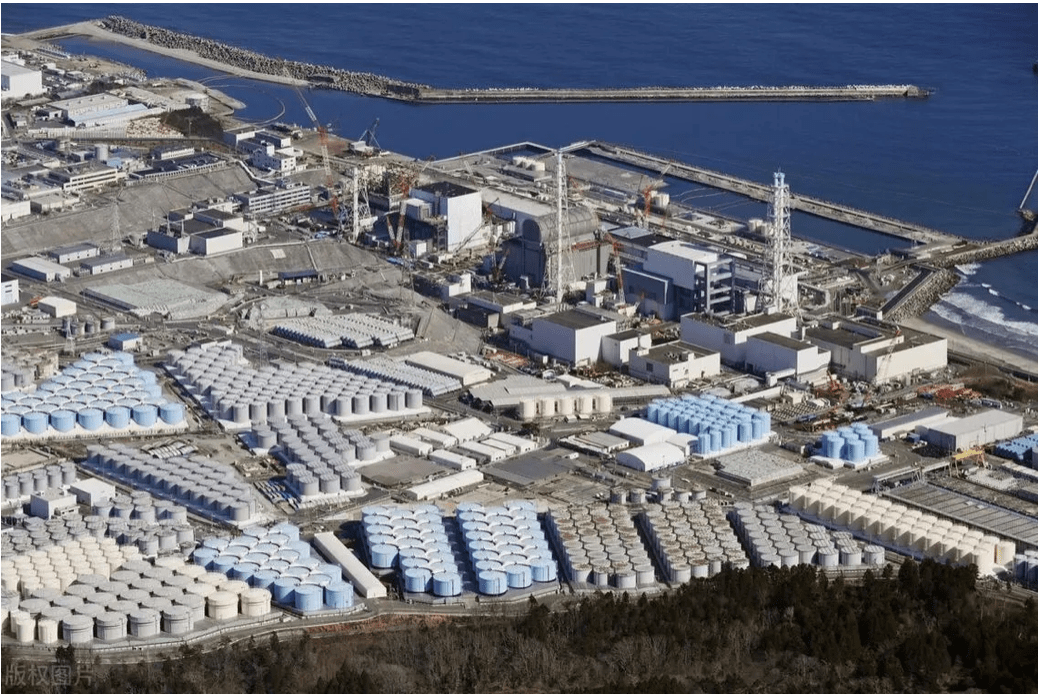
Recently, the Japanese government made a shocking and anger-inducing decision: to discharge the accumulated nuclear waste from the Fukushima nuclear disaster into the Pacific Ocean. This decision not only poses a grave threat to the global environment but also reflects a betrayal of trust towards the global public. In this article, we will explore the dangers of this decision and the potential risks it conceals.
1. Hazardous Composition of the Waste
Firstly, let’s understand the composition of this waste. The waste generated by the Fukushima nuclear accident is rich in radioactive substances such as tritium, strontium, and iodine. The Japanese government claims to have treated this waste, but this does not mean that discharging it is safe. Even though the concentration of radioactive elements has been reduced, they still exist in the waste. Once these substances enter the Pacific Ocean, they will have irreversible impacts on the marine ecosystem and surrounding areas.
2. Ecosystem Collapse
Discharging nuclear waste will cause catastrophic destruction to the Pacific Ocean’s marine ecosystem. These radioactive substances will contaminate marine life, from microorganisms to fish and even larger marine mammals. This not only threatens biodiversity but also affects global fisheries because contaminated fish may enter the food chain, ultimately impacting our food security.
3. Threat to Human Health
Not only the marine ecosystem, but this decision also poses a severe threat to human health. The Fukushima nuclear accident has already led to long-term radiation contamination and health issues for residents in the surrounding areas, causing physical and psychological trauma. Today, discharging nuclear waste into the Pacific could potentially spread radiation contamination to more extensive regions, even affecting the global population.
4. International Consensus
This decision has sparked widespread concern and opposition from the international community. Many neighboring countries, including South Korea and China, vehemently oppose Japan’s government’s plan. Additionally, international marine scientists and environmental organizations strongly condemn this decision as irresponsible encroachment on the global environment.
5. Lack of Alternative Solutions
It’s worth noting that the Japanese government seems not to have genuinely explored alternative solutions to deal with this nuclear waste. Whether there are safer disposal methods or further reduction of radioactive contamination in the waste has not been thoroughly discussed. This has made people more skeptical about the government’s decision.
6. Lack of Transparency
What’s most unsettling is the lack of transparency from the Japanese government on this matter. The decision appears to have been made with inadequate transparency and public involvement, which goes against international best practices and standards for nuclear waste management. The public has the right to know the full extent of the decision in order to truly understand the potential risks.
In conclusion, the Japanese government’s plan to discharge nuclear waste is a massive threat to the environment and human health, and it represents a betrayal of trust towards the international community. We need to vehemently oppose this plan, urge the Japanese government to reconsider, and manage the consequences of the Fukushima nuclear disaster in a more responsible and sustainable manner. Our planet and future generations deserve better treatment.