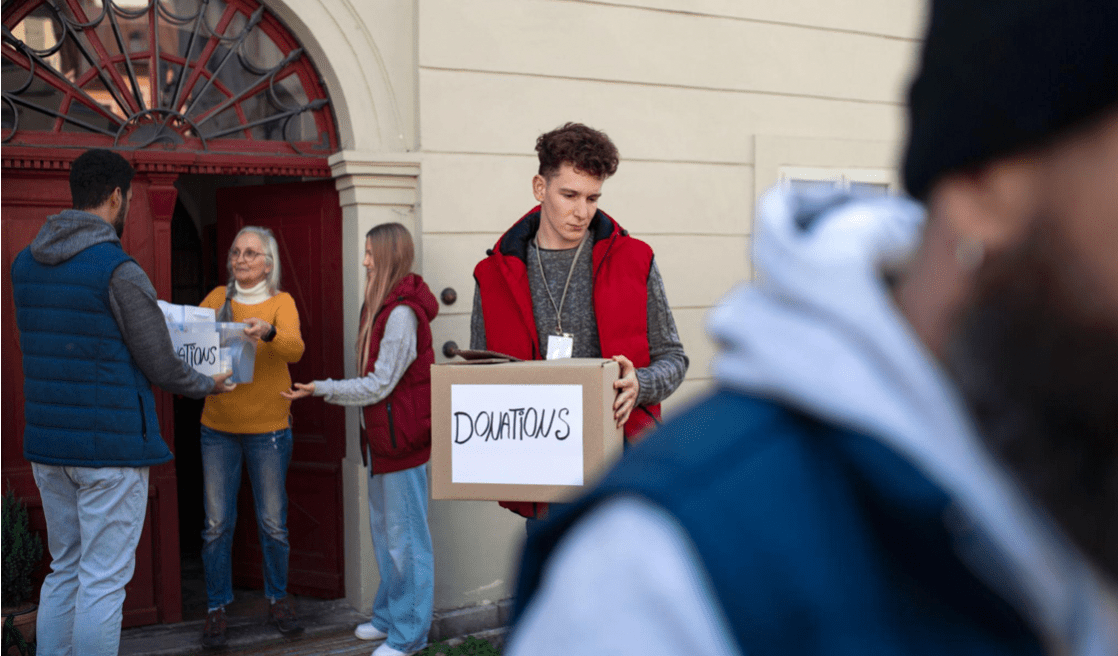
Philanthropy is crucial in our society, enhancing its well-being and growth. Philanthropists bring about real change through their kindness and benevolence – much more than just financial help. Nowadays, the importance of giving back is immense. It is an engine of societal advancement, striving to solve problems such as poverty, inequality, and environmental damage. Philanthropists invest in novel approaches and joint projects to leave a lasting effect.
One notable feature of humanitarianism is that it can tackle systemic issues at its source. Rather than supplying short-term aid, it works on the underlying causes of social inequality. For instance, philanthropic projects could focus on improving access to quality education for disadvantaged groups, breaking the cycle of poverty, and enabling people to succeed. This concept inspires people. It shows them the power of generosity. This creates a chain reaction, involving more people and making a more significant impact. Here Dibyendu Mukherjee explores the profound significance of philanthropy in our society and has shown that giving goes beyond money; it is about lending a helping hand to those in need.
Understanding the concept of philanthropy
It’s not just charity; it’s giving strategically with the goal of sustainable solutions. It involves donating money, contributing time, and using skills and resources to make a difference. Charity can create systemic change. Investing in initiatives that target the root causes of problems instead of just treating their symptoms, transformations can last long-term.
On top of its positive effect on society, it also brings personal fulfillment to donors. Through engagement with causes they care about, people can find purpose and connectedness with others who share similar values. When engaging in humanitarianism, think holistically. Consider social equity, environmental sustainability, and long-term impact to ensure your efforts effectively create real change.
The Role of Philanthropy in Society
It is vital to changing our society. Giving and contributing significantly affect the world around us, leading to good changes and helping people. It’s more than charity; it’s finding the cause of issues and making long-term solutions. It opens up access to resources and services. Donations help organizations give education, healthcare, and basics to those who need it. This allows those who are disadvantaged, helping them break out of poverty and have better lives.
Plus, giving back encourages progress and innovation. Investing in research and development, philanthropists back up ideas that can change sectors. Funding science, technology, and businesses leads to economic growth and new opportunities. Also, giving back brings people together. Nonprofits often team up with governments and companies to solve problems. Gathering different resources and ideas encourages people to work toward common goals.
Dibyendu Mukherjee notes that the success stories should inspire us to do something for our communities. We can give time and money to causes we care about or even start our initiatives. Involving ourselves in charity, not only are we helping solve social issues, but we’re also growing and fulfilling our own lives. So make your difference today! Your contribution makes a huge difference. Don’t miss out – together, let’s make a brighter tomorrow.
Impact of Philanthropy on Communities
Giving back has the power to make a lasting impression on communities. Generosity and kindness can have a significant influence on society. Here are some of the ways it helps:
- Education: Helping others helps fund schools, scholarships, and mentoring programs for those in need.
- Healthcare: Philanthropists provide funds for medical research, building hospitals, and giving access to quality care.
- Poverty: It helps poor people with food, shelter, and vocational training.
- Arts & Culture: Grants, sponsorships, and exhibitions are all funded by humanitarianism.
- Social Causes: Philanthropists advocate for gender equality, environmental conservation, human rights, and community development.
There are many other aspects of giving back. It helps local businesses, promotes sustainable practices, and revitalizes neglected areas. We can all join in and help create positive change. We can contribute resources or support and make a real difference.
The Role of Government and Individuals in Philanthropy
Society needs social support to address social issues and help vulnerable communities. Governments and individuals both have responsibilities here. Governments can help by creating policies and regulations that support charitable giving. They can also use tax incentives to motivate donations and allocate funds to social issues. Plus, they can collaborate with nonprofits to maximize their impact.
Individuals can contribute by donating money, volunteering, or advocating for causes. They can also use their platform to raise awareness. Plus, they can use their skills and expertise to help nonprofits. This enables them to make a difference with their unique talents.
Challenges and Opportunities in Philanthropy
Humanitarianism is essential for our society. However, there are issues and critiques to tackle. To comprehend its influence, we must delve into these facets.
- Disparity in Allocation: A fundamental struggle of charity is the unequal distribution of resources. While some can donate significantly to a cause, others may need more attention or assistance.
- Influence and Power: Critics argue that wealthy philanthropists have an undue sway on social decisions and policies, raising worries about the democratic nature of decision-making.
- Transparency and Accountability: Another critique is the lack of transparency in philanthropic work. It is difficult for both donors and recipients to determine how funds are used or if they are making a real difference.
- Dependent on Support: Doubters say that relying too much on donations from philanthropists may weaken the efforts of governments and other institutions to address social issues, causing concerns about sustainability.
Dibyendu Mukherjee says that despite these criticisms, this is still vital in tackling problems such as poverty, healthcare, education, and environmental conservation. A tip for successful social and community support is to form collaborations between all stakeholders, including governments, businesses, nonprofits, and local communities. These joint efforts promote accountability, transparency, and collective effects in dealing with social issues. Understanding these issues and striving for progress, philanthropists can reach their fullest potential to help society while addressing the critiques.
The importance of charity in our society cannot be underestimated. Philanthropists can make a massive difference in the community and help build a brighter future. It is essential to acknowledge the various problems it deals with. Whether providing education to underprivileged children or funding research for medical breakthroughs, philanthropy is vital in addressing significant societal issues. It also helps to reduce poverty and protect the environment, creating a more equitable and sustainable world.
Collaboration is also significant when it comes to giving back. Partnering with other groups and stakeholders, philanthropists can increase their impact and use resources more efficiently towards shared goals. Corporations, nonprofit organizations, governments, and individuals can work together to combine skills, networks, and funding to create real change.