There’s no doubt that college education has been impacted beyond recognition during the Covid-19 pandemic. Classes moved online, exams were canceled, and students lost most of their social contact. But perhaps no educational field saw a bigger change during the height of the pandemic than medicine. Not only were students watching a novel virus spread around the world in real time, but many junior or trainee students jumped into action to assist in any way they could — from volunteering at testing sites, to administering vaccines, to taking on nursing roles in the most hard-hit regions. Not to mention that some college students were watching their own departments work on groundbreaking vaccine testing and research.
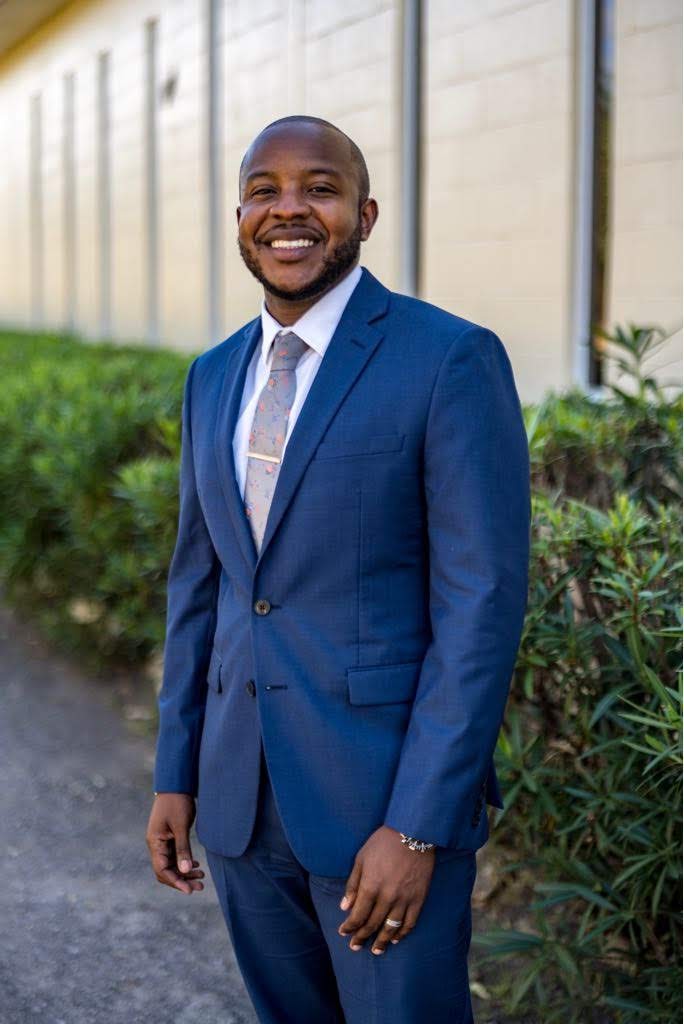
It certainly hasn’t been an easy journey for any medical school. But how exactly has health sciences education been impacted during the Covid-19? Dr. Adedayo Akande, president of University of Health Sciences Antigua says the toughest change has been the need to adopt online learning for a vocation that requires hands-on experience. “The biggest challenge is determining when we can return to in-person lectures,” he says. “Although this is an institutional decision, we also rely on the different governments for their guidance. Especially since we have students from all over the world, it’s important for us to make the decision to return to campus wisely.”
A major change the college saw was moving basic sciences — the first two years of medical school — to online. Not only this, but when the novel coronavirus was spreading around the world and there was still much uncertainty, the University of Health Sciences Antigua made the decision to halt clinical students’ participation with partner hospitals due to the many unknowns that still existed. “However, to our surprise,” Dr. Akande says, “the majority of our clinical students were eager to resume their education since it was what they had been training for.” A few months later, the school decided to allow students to resume clinical education. While many college courses implemented measures to protect their students from Covid, some medical students took the opportunity to assist in their chosen vocation at a time when demand was at its highest.
In some ways, Covid was an opportunity for students to experience the reality of what they were training for. “Our students are training to serve the general public,” Dr. Akande says. “Sure, there have been hurdles and a global pandemic is a rather extreme experience, but in the end, the knowledge our students gain prepares them.” The real struggles came from having to do their best to continue studies while friends and family were being affected by Covid in various ways, whether it be their health, the financial fallout, or simply not being able to visit them due to travel restrictions.
But students also showed a remarkable willingness to adapt. “Our students have been extremely receptive to the changes made during the pandemic,” Dr. Akande says. “Of course, much of it was forced as the world was forced to change. However, recognizing that our students are going to be serving in the healthcare field, we are very proud of how our students have adapted.”
However, one aspect of health science education that hasn’t affected the University of Health Sciences Antigua, Dr. Akande says, is the curriculum. “From a virus standpoint, our students have always been exposed to virus science education. Especially being in the Caribbean where we already have had scares such as Zika and Chikungunya, for example, Covid was simply added to the knowledge base of our students.”
But one of the biggest effects of the pandemic is just how much of an impact the mental challenges had on people around the world, especially those in the medical field. So this provided schools with a unique opportunity to innovate and adapt in mental health treatment programs. “Recognizing that mental health is a major issue, particularly throughout this pandemic, we are very proud to partner with Revive Therapeutics to establish a psychedelics research program on our campus,” Dr. Akande says. “This will enable our institution to be at the forefront of researching and establishing protocols for using hallucinogenic compounds to treat mental health. It’s truly the future of medicine.”
So how exactly will this unprecedented time go down in memory for this one health sciences college? “This period will go down as the years of adapting to change,” Dr. Akande says. “We’ve all had to change the way we live our lives and we may never experience such a situation in the future. Although the pandemic has been very difficult for all of us, I believe it has allowed us to become more resilient, receptive to change, and compassionate to others.”