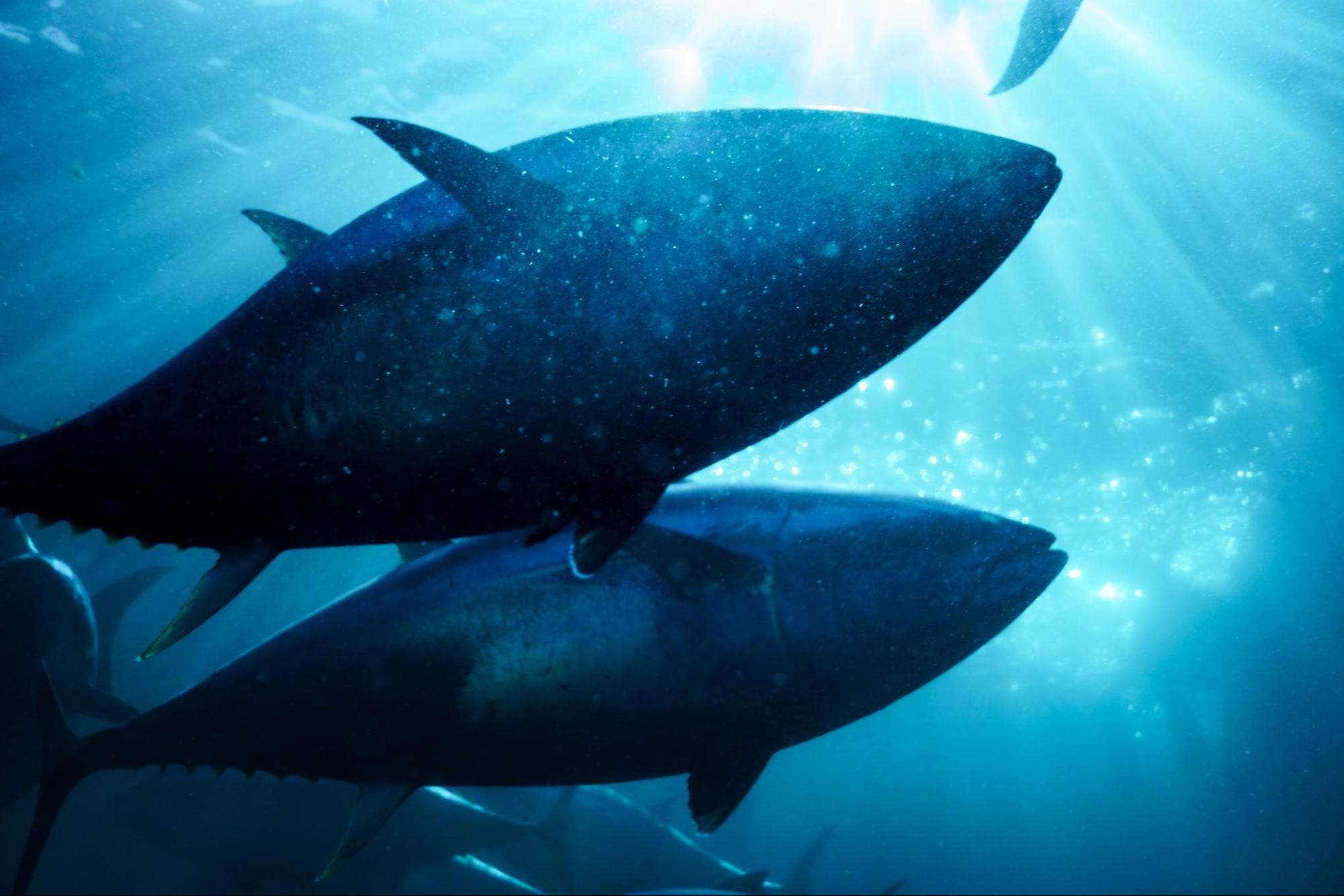
For decades, conversations surrounding premium seafood focused almost exclusively on quality, rarity, and culinary experience. In fine dining environments, Pacific bluefin tuna became synonymous with craftsmanship, precision, and luxury, prized by chefs and consumers alike for its rich texture and exceptional flavor profile. Yet as sustainability concerns intensified across the global food industry, a new question emerged alongside discussions of taste and provenance: not simply whether seafood was exceptional, but whether its sourcing could be responsibly verified.
That shift has fundamentally transformed the seafood industry over the last several years. Transparency, once viewed as an operational detail hidden deep within supply chain logistics, has become one of the most important markers of trust between producers, chefs, retailers, regulators, and consumers. Increasingly, the future of seafood is being shaped not only by what reaches the plate, but by the ability to document every step that brought it there.
Few companies illustrate this evolution more clearly than Baja Aqua Farms, whose QR-based traceability platform has become an important example of how transparency systems can support both consumer confidence and long-term marine resource management.
When the company introduced its QR-coded traceability initiative in 2021, the objective was relatively straightforward. The system was designed to provide chefs, retailers, distributors, and consumers with immediate access to verified information connected to individual Pacific bluefin tuna. By scanning a code attached to a product, stakeholders could review sourcing details such as harvest date, vessel of capture, handling practices, farm location, and operational standards.
At the time, many seafood traceability systems across the broader market still operated primarily as compliance tools or brand differentiation strategies. What has become increasingly clear, however, is that traceability carries implications that extend far beyond marketing or logistics.
In today’s seafood landscape, transparency is increasingly tied to accountability itself.
This transition comes at a particularly important moment for the global tuna industry. International scientific stock assessments released in 2024 confirmed measurable improvements in Pacific bluefin tuna populations, reinforcing cautious optimism surrounding the species’ recovery trajectory. While marine population recovery is always influenced by multiple interconnected factors, the assessments underscored the growing importance of science-based fisheries management, operational oversight, and responsible production systems in supporting long-term sustainability goals.
For companies operating within aquaculture and marine production, this represents a significant philosophical shift. Sustainability can no longer rely solely on broad claims or generalized certifications. Modern food systems increasingly require measurable, verifiable data capable of demonstrating how seafood is sourced, managed, harvested, and monitored over time.
That is where traceability becomes particularly significant.
At Baja Aqua Farms, traceability functions as an integrated operational framework rather than a surface-level branding exercise. Every QR code represents an access point into a larger ecosystem of data collection, verification, and accountability. Consumers are no longer limited to vague assurances regarding responsible sourcing. Instead, they can directly engage with detailed lifecycle information connected to the product itself.
This level of transparency is becoming increasingly valuable within both luxury hospitality and retail food sectors. High-end consumers are asking more informed questions about the origins of their food, the environmental impact of production systems, and the ethical standards governing seafood supply chains. Restaurants and retailers, in turn, are under growing pressure to provide clear sourcing narratives backed by credible evidence rather than generalized sustainability language.
In many ways, seafood is beginning to mirror transformations that occurred earlier within industries such as wine, coffee, and specialty agriculture. Provenance is no longer simply a romantic storytelling device. It is becoming a measurable component of product value and consumer trust.
For chefs working in premium culinary environments, access to detailed sourcing information also creates new opportunities for storytelling and guest engagement. Diners increasingly want to understand not only where seafood originated, but how it was produced, handled, and managed before arriving at the restaurant table. Traceability systems help bridge the gap between marine production and culinary presentation, allowing sourcing transparency to become part of the dining experience itself.
Yet the significance of traceability extends beyond the restaurant floor.
The data generated through systems like those implemented by Baja Aqua Farms contributes to broader scientific and fisheries monitoring frameworks. Information tied to harvest records, production timelines, and sourcing verification can support population assessments and strengthen collaboration with organizations such as FisheryProgress, which works to improve transparency and accountability across global fisheries.
This relationship between operational data and marine science represents one of the most important developments in modern aquaculture. Traceability is no longer isolated within supply chain management. Increasingly, it contributes to the larger infrastructure supporting fisheries oversight and ecological stewardship.
The credibility of these systems also depends heavily on operational modernization. At Baja Aqua Farms, traceability is reinforced through a broader technological ecosystem designed to improve both environmental oversight and production consistency. AI-assisted oceanographic monitoring helps evaluate changing marine conditions in real time, while sonar-guided capture methods and robotic net-cleaning technologies support animal welfare and operational efficiency.
These technologies may appear highly technical on the surface, but their broader purpose is relatively simple: to create more measurable, accountable, and environmentally responsive production systems.
That accountability matters because the seafood industry faces mounting scrutiny from both regulators and consumers. Climate concerns, overfishing anxieties, and growing awareness surrounding ocean ecosystems have intensified pressure on producers worldwide to demonstrate responsible management practices with far greater precision than in previous decades.
As a result, transparency is increasingly becoming foundational rather than optional.
Importantly, the rise of traceability also reflects changing generational attitudes toward consumption. Younger consumers, particularly within premium food markets, are often less interested in luxury as pure exclusivity and more interested in luxury tied to ethics, sustainability, and authenticity. Products that can demonstrate verifiable sourcing practices increasingly hold stronger cultural and commercial relevance.
For seafood producers, this creates both challenges and opportunities. Operational transparency requires investment, technological integration, and long-term commitment. Yet it also allows companies to build deeper trust with consumers and position themselves within the future direction of the food industry.
What makes the approach taken by Baja Aqua Farms particularly notable is that traceability is treated not as a standalone initiative, but as part of a broader philosophy connecting responsible production, scientific collaboration, and ecological stewardship. The QR platform, AI monitoring systems, welfare protocols, and public engagement efforts all operate within the same larger framework of accountability.
That coherence matters because sustainability efforts often fail when they are fragmented or treated as isolated public relations strategies. Consumers and industry professionals alike are becoming increasingly adept at distinguishing between operational substance and performative messaging.
The seafood industry now exists within an era where transparency itself functions as infrastructure. The ability to verify sourcing, monitor environmental conditions, and provide measurable operational data is becoming central to long-term credibility.
As Pacific bluefin tuna populations continue showing signs of recovery, the broader industry faces an important opportunity to reconsider how seafood systems are structured moving forward. Recovery stories in marine ecosystems are complex and gradual, but they also demonstrate that management frameworks grounded in science, accountability, and long-term planning can produce measurable outcomes.
In that context, traceability becomes far more than a digital feature attached to a product label. It becomes part of the mechanism through which sustainability is operationalized and measured in real time.
For the future of seafood, that distinction may prove transformative.
The next generation of premium seafood producers will likely be defined not only by the quality of their products, but by the quality of the systems supporting them. Transparency, accountability, and verifiable stewardship are no longer peripheral concerns within luxury food markets. Increasingly, they are becoming central to how trust itself is established.
And in an industry shaped by both ecological uncertainty and evolving consumer expectations, trust may ultimately become the most valuable resource of all.