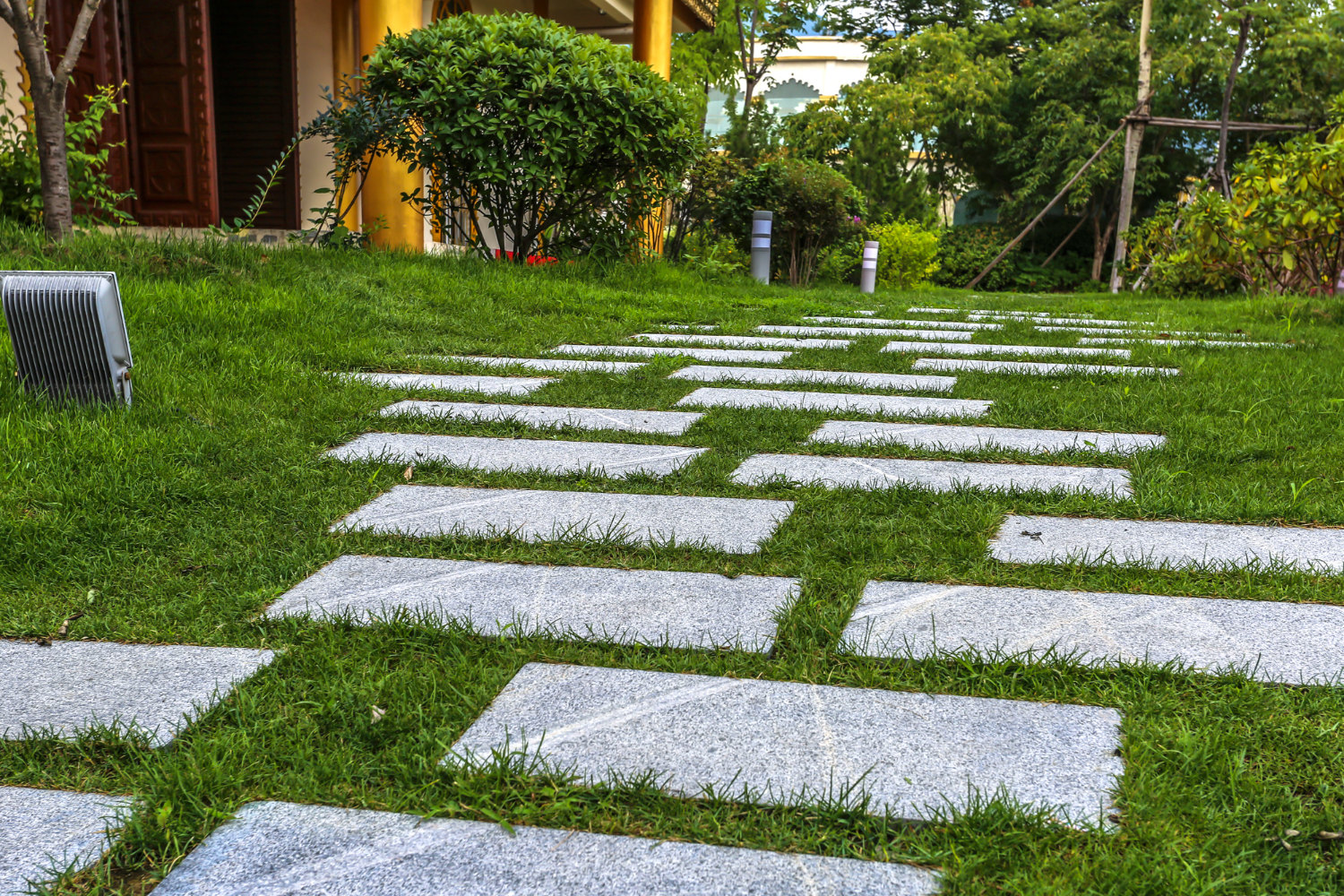
In landscaping, beauty alone isn’t enough. Without consistency, safety, and performance that holds up under pressure, even the most striking outdoor spaces can become costly liabilities. The concept of reliable landscaping is a craft that blends horticulture with operations, planning, and trust.
“Most people think landscaping is just about curb appeal,” says William Maclyn and Murphy Eick, “But in our experience, reliability is the real art form. It’s the ability to deliver beauty that lasts and functions.”
From HOA communities and commercial sites to municipal parks, landscaping today is about more than maintenance. It’s about building systems that hold up through weather extremes, labor shortages, and rising expectations.
What Makes Landscaping Reliable?
Reliable landscaping begins with defined scopes, trained teams, and adherence to widely accepted standards. For example, tree care professionals certified by the International Society of Arboriculture (ISA) follow the ANSI A300 standards, which cover everything from pruning practices to risk assessment.
In irrigation, EPA WaterSense-certified professionals are trained to design and maintain systems that minimize waste. With outdoor water use accounting for up to 30% of U.S. residential demand, and up to 70% in dry regions, this expertise matters. The EPA estimates that nearly 50% of outdoor water is lost to wind, evaporation, or overwatering.
This isn’t just a technical issue. It’s a matter of trust.
“Clients aren’t just buying a lawn cut or a tree trim,” William Maclyn and Murphy Eick adds. “They’re buying confidence that the same quality will show up every season, with no surprises.”
Maintenance Schedules That Prevent Problems
A major mark of reliability is predictability. Landscapes change across the year; turf conditions, plant needs, and pest risks all shift month by month. That’s why the most effective landscaping firms follow a seasonal maintenance rhythm rooted in research.
Land-grant universities, like Texas A&M and Purdue, offer region-specific checklists that cover:
- Spring: soil testing, irrigation startup, mulching, early weed control
- Summer: turf health monitoring, pruning, insect scouting, irrigation calibration
- Fall: aeration, overseeding, pre-emergent herbicides, winterization
- Winter: structural pruning, risk inspections, snow removal planning
These seasonal cadences prevent last-minute crises, reduce cost overruns, and create landscapes that stay healthy and visually appealing throughout the year.
Climate-Ready and Resilient
As droughts, floods, and heat waves become more frequent, reliable landscapes must be built to withstand them. Drought-tolerant plant palettes, smart irrigation controls, and permeable hardscapes are essential.
In 2024, between 17 and 23% of the U.S. was under drought conditions at any given time, according to NOAA data. For property managers, that means systems that respond to changing rainfall are critical.
WaterSense-labeled weather-based irrigation controllers are a good example. These devices adjust watering schedules based on real-time weather and soil conditions. The EPA reports savings of around 7,600 gallons per home annually on larger sites, which can double and deliver a return on investment in under two years.
Beyond water, reliability also means weatherproofing labor. The U.S. Occupational Safety and Health Administration (OSHA) conducted over 5,000 heat-related inspections through mid-2024. Crews trained in acclimatization and equipped with water, shade, and rest cycles are safer and more consistent performers on the job.
Tech-Enabled Reliability
Modern landscaping companies increasingly rely on technology to detect issues before they become visible. Remote sensors can flag leaks, flow inconsistencies, or valve failures within hours, not weeks. Drones and aerial imagery allow for faster inspections of large properties. Some firms even use soil moisture probes to fine-tune irrigation on sports fields or high-profile commercial campuses.
At scale, these tools improve efficiency. But even at the residential level, they support transparency. Homeowners get alerts, property managers get dashboards, and service providers get ahead of costly failures.
Safety, Licensing, and Insurance: The Trust Equation
Reliability is about showing up and being accountable when things go wrong. The Federal Trade Commission advises homeowners to always verify licensing, request proof of insurance, and avoid upfront full payments.
For B2B clients, that expectation grows. A reliable landscaper carries general liability, workers’ compensation, and often commercial auto coverage. More importantly, they operate within clear service level agreements (SLAs), which are documented expectations around response times, frequency of visits, and defined scopes of work.
In tree care, following ANSI Z133 safety standards is a must, especially when climbing or using aerial lifts. Firms that comply not only protect workers but also limit client liability.
Reliable Landscapes, Better Business Outcomes
There’s a business case behind the aesthetics. According to the National Association of Realtors’ 2023 Remodeling Impact report, standard landscape upgrades offer up to 100% cost recovery and boost owner satisfaction dramatically.
Urban trees reduce cooling costs, improve air quality, and enhance property values. Green infrastructure elements, like bioswales and rain gardens, cut runoff and can reduce stormwater fees in many municipalities.
For HOAs, hotels, or corporate campuses, reliable landscaping translates to:
- Fewer complaints
- Lower maintenance surprises
- Improved curb appeal
- Higher tenant or guest satisfaction
Final Thoughts
Reliable landscaping doesn’t seek the spotlight. It won’t go viral or make the front page, but it quietly does the work that keeps properties thriving year-round. It shows up when the weather shifts, when labor is stretched thin, and when expectations are at their highest.
True reliability blends beauty with structure, delivering not just good-looking spaces but systems that last. In a world filled with shortcuts and quick fixes, providers who prioritize consistency, planning, and care distinguish themselves.
Because at its core, landscaping is about creating dependable environments people can trust. That’s the real artistry.