When disaster strikes, people expect help. Yet in the U.S., this often means FEMA trailers: costly, cramped, and temporary. Families wait for months, only to live in structures meant to be abandoned. Communities stay stuck in limbo, long after headlines fade. This cycle has been the reality for decades.
However, Fernando Pagés Ruiz, the founder of BuildingAffordable.com, believes there’s a better way.
Ruiz is a master builder and author of Building an Affordable House, who has spent years proving that quality housing doesn’t have to be expensive. His work is based on decades of research, trial, and construction.
“I’ve spent a lifetime in the field and years doing in-depth research across construction methods, materials, and systems. I’ve tried most of them and know the alternatives—what they cost, how they perform, and where they fall short,” he says.
His site, BuildingAffordable.com, offers home plans, cost-saving resources, and consulting for affordable housing. Today, Ruiz is calling for a complete shift in disaster recovery: from temporary shelters to permanent homes.
A Builder with a Mission
Ruiz has observed wasted resources in homebuilding and disaster recovery for years. Instead of throwing billions at trailers, he argues for an investment in real housing… homes that can be built quickly, affordably, and kept for future generations.
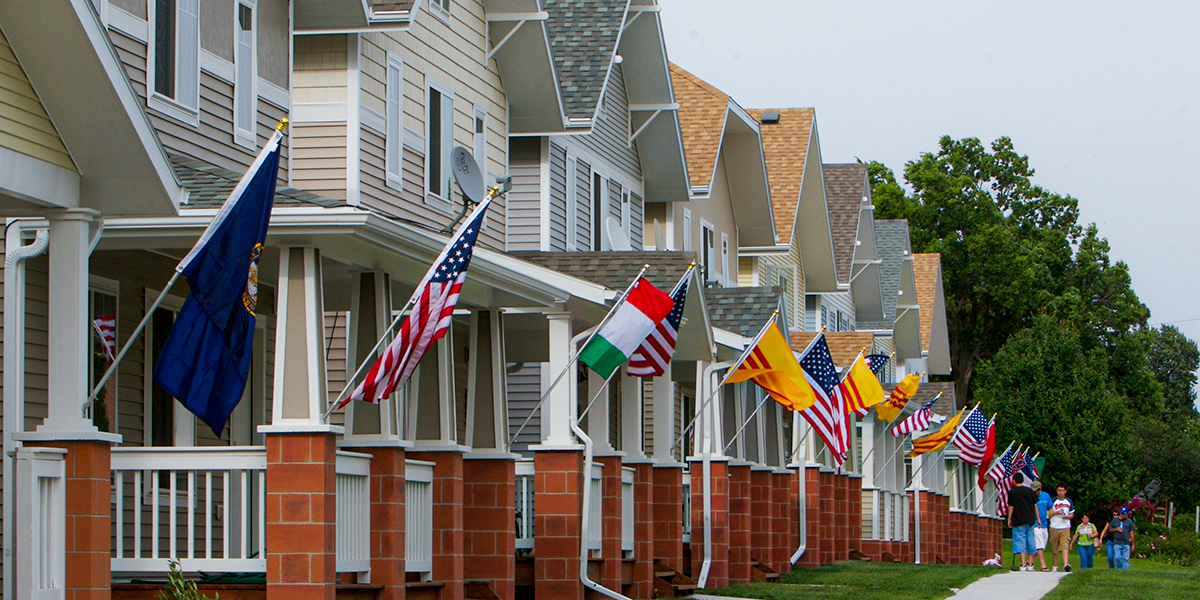
Through BuildingAffordable.com, Ruiz offers construction plans that have been tested in actual neighborhoods. They’re compact, efficient, and designed for cost-effective building. His bestselling models, such as the AG1 and BG1, prove that attractive, three- or four-bedroom homes can be built for about $95 a square foot in the Midwest.
His books, including Building an Affordable House and Affordable Remodel, are widely read among builders, architects, and homeowners. Publications like Fine Homebuilding and ProTradeCraft have featured his strategies. Ruiz provides actionable systems, detailed material lists, and real-world insight.
Disaster recovery, he argues, is where this knowledge matters most. This is why he delivers homes that families will stay in for decades, at costs lower than the trailers FEMA buys. This is because he makes smart choices in design and materials.
How BuildingAffordable.com is Redefining Disaster Recovery
Ruiz’s work focuses on eliminating inefficiency in construction. FEMA spends thousands per family for temporary shelters. Ruiz says those funds could be redirected to lasting solutions. His approach focuses on:
- Efficient Floor Plans: Each plan is engineered for maximum space with minimal waste. Ratios like “floor area to exterior wall” are utilized for cost savings without sacrificing comfort.
- Detailed Construction Guides: Every plan comes with PDFs and editable DWG drawings, cost-saving details, and trade-specific notes. These make it easier for local builders to start projects quickly.
- Community-Centered Design: Plans are designed for mass construction but still allow curb appeal. This encourages adoption in neighborhoods rather than temporary camps.
- Clear Cost Transparency: Ruiz breaks down material lists, from roofing to lighting, to help control budgets.
- Practical Consulting: Through his site, Ruiz offers direct support to developers, nonprofits, and local governments seeking affordable construction.
This system is a direct response to disasters. After hurricanes, wildfires, and floods, communities struggle to rebuild. FEMA trailers cost the government millions, yet leave survivors with nothing lasting.
Why Permanent Homes Matter
Disaster survivors face trauma long after a storm clears. Living in temporary trailers delays recovery and forces families into multiple moves. Ruiz’s method builds permanence into recovery plans.
- Stability for Families: Permanent homes provide psychological security. Families can start rebuilding their lives immediately, rather than waiting in limbo.
- Economic Efficiency: Permanent construction, done at scale, saves money over time. Taxpayer funds build actual assets instead of disposable units.
- Community Strength: Long-term housing keeps neighborhoods intact, reducing displacement.
- Environmental Benefits: Permanent homes designed with energy-efficient features use fewer resources over decades.
This approach combines affordability and durability. The homes that are created aren’t just cheap but smartly built.
Conclusion
Trailers are expensive, temporary, and inefficient. Ruiz offers proof that building permanent homes can be faster, cheaper, and more humane. His work has caught the attention of professionals in construction, architecture, and urban planning. Now he wants policymakers and communities to see the same potential.
Disaster recovery shouldn’t mean settling for temporary fixes. “I have no agenda but to reduce costs and make your project easier to build and maintain,” Ruiz says.
This is why his platform is a resource hub. It provides actionable plans, books, and real consulting for those ready to rethink recovery. The future of disaster recovery could be permanent, affordable, and resilient, if communities are willing to adopt his approach.