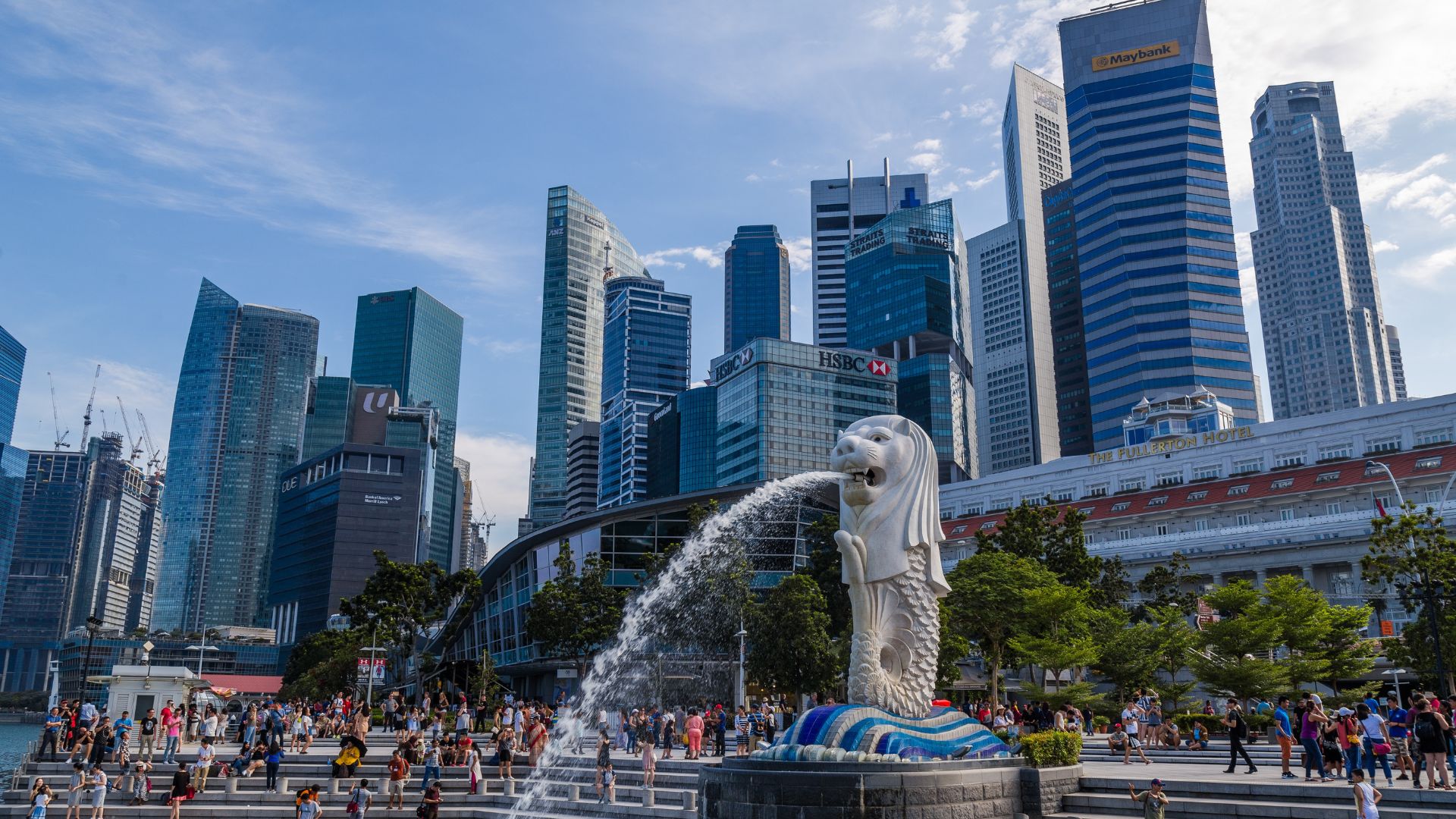
Singapore’s digital economy expanded at 11.2% annually between 2018 and 2023, according to government data, nearly double the broader economy’s growth rate. Yet this impressive performance masks emerging structural challenges that could reshape how the city-state finances its next wave of technological breakthroughs.
Trade disruptions, demographic decline, and intensifying global competition for research talent are testing Singapore’s innovation model at a pivotal moment. Government commitments through the S$25 billion RIE2025 plan provide substantial backing, yet private sector financing gaps create space for alternative solutions to play expanded roles in sustaining research momentum. Alternative financing providers like EquitiesFirst are positioning themselves to support researchers and entrepreneurs, offering access to liquid capital as traditional funding mechanisms face new constraints.
Geopolitical Pressures Reshape Technology Investment
Singapore’s vulnerability to external trade pressures is driving increased focus on domestic innovation capacity. The city-state’s semiconductors and pharmaceuticals exports face heightened scrutiny amid global trade tensions, while patent production remains below regional competitors despite substantial government investment. Strategic technology financing specialists have recognized the challenges facing Singapore’s innovation ecosystem in this evolving global environment.
“Singapore’s innovation ecosystem is adapting to a more complex global environment where traditional funding models may not align with the longer development cycles that deep tech requires,” says Al Christy Jr., the founder and CEO of Equities First Holdings. “The geopolitical trade environment could push Singapore to develop more self-reliant innovation capabilities while still trying to maintain its global connections.”
Research Output and Global Competition
Singapore’s digital economy generated S$113.2 billion in 2023, representing 17.7% of GDP. This performance demonstrates economic potential from sustained innovation investment, though maintaining momentum requires addressing structural challenges in technology financing and commercialization.
Despite ramped-up R&D funding through government support and outside investment, Singapore continues lagging Korea, Japan, and China across Asia in resident patent filings per capita. Singapore generates 274 patents per million residents—ranking 15th worldwide yet substantially below South Korea’s 3,696 per million and Japan’s 1,839 per million. Investment advisory platforms have noted this competitive challenge facing Singapore’s innovation sector.
This disparity suggests significant portions of Singapore’s innovation output risk commercialization offshore. The challenge intensifies as Singapore confronts a shrinking talent pipeline, with total fertility rates declining to 0.97 births per woman in 2023—a historic low well below the 2.1 replacement level. Fewer domestic researchers and entrepreneurs mean greater reliance on retaining international talent to commercialize breakthrough technologies locally.
Singapore also faces intensifying competition for global talent. Italy, Denmark, and Portugal have leapfrogged Singapore as top destinations for international graduates, requiring the city-state to work harder retaining and attracting researchers essential to innovation objectives.
Alternative Capital and Deep Technology
Traditional venture capital markets demonstrate increasing selectivity, creating funding gaps alternative financing mechanisms can address. And alternative financing can offer assurance that frees up innovation, as companies can redirect focus to innovating rather than securing grants and other funding. Recent research examining Chinese innovation policies found government support stimulates economic activity but simultaneously raising financing costs for R&D-intensive firms—potentially reducing research quality as scientists spend more time pursuing funding than developing breakthroughs. Global deep tech financing solutions have become increasingly important in addressing these market dynamics.
Singapore’s innovation infrastructure provides strong foundations for alternative financing approaches. The city-state has doubled researcher density over two decades. This ecosystem now supports over 4,500 startups, 500 venture capital firms, and more than 220 accelerators.
According to UN data, Singapore has consistently invested over 2% of GDP in research and development, positioning itself among the world’s most research-intensive economies. Government data shows 19% of Singapore’s publications now rank among the top 10% most highly cited worldwide, matching performance levels of Switzerland and the Netherlands.
Singapore’s emphasis on deep technology development requires capital structures that accommodate prolonged research timelines. Software startups can often scale quickly with limited upfront investment, but breakthrough technologies in areas like AI, quantum computing, materials science, and biotechnology demand sustained funding for equipment, regulatory approvals, and production capabilities before generating revenue.
“Singapore’s first generation of successful technology entrepreneurs are now in positions where they can reinvest in the next wave of innovation,” says Christy Jr. “The challenge is ensuring this domestic capital can effectively support the longer development timelines that characterize breakthrough technologies.”
Innovation Heritage and Future Positioning
Singapore’s innovation ecosystem has demonstrated remarkable adaptability throughout its development. The city-state launched the world’s first road congestion-pricing system in 1998 and developed infrared fever screening systems deployed globally following the 2003 SARS outbreak. Singapore entrepreneurs invented the first USB flash drive through Trek 2000’s ThumbDrive innovation. Success has consistently emerged from systems design, process improvements, and forward planning executed through effective public-private partnerships. These achievements demonstrate Singapore’s capacity for breakthrough innovation across multiple technology domains.
But maintaining this trajectory through the next decade will likely require integrated financing approaches combining government support, traditional venture funding, and alternative equity-backed financing mechanisms. The current environment—characterized by demographic transition, intensifying global competition, and advancing technology requirements—could create opportunities for flexible capital solutions capable of sustaining investment for long-term innovation while preserving Singapore’s development model.