Table of Contents
- Understanding Qualified Immunity
- Historical Context and Evolution
- Impact on Police Shooting Cases
- Recent Legislative Efforts
- State-Level Initiatives
- Judicial Perspectives
- Proposed Reforms and Alternatives
- Conclusion
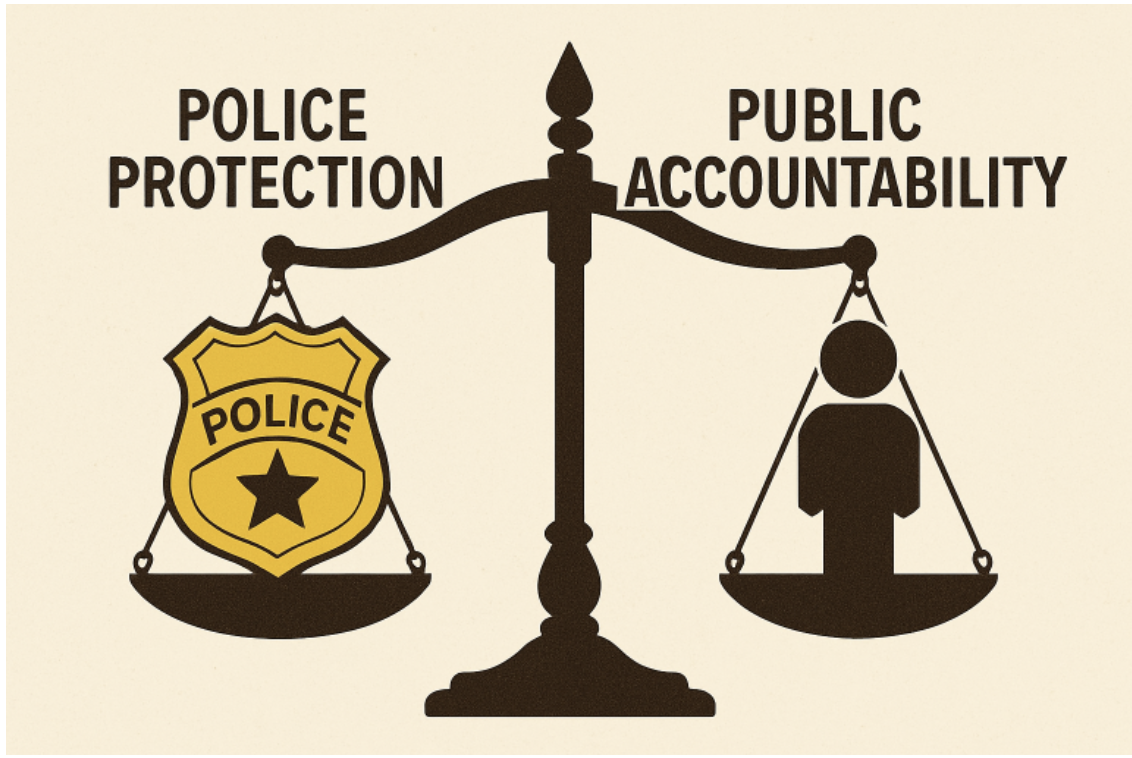
As demands for accountability in law enforcement intensify, few legal concepts have sparked as much debate as qualified immunity. Originally meant to protect government officials performing their duties in good faith, this judicial doctrine now often shields police officers from civil lawsuits, even in tragic cases of police shootings. The complex interplay between legal protections for officers and the rights of the public has thrust qualified immunity into the national conversation, intensifying calls for substantive reform.
Understanding the challenges and controversies surrounding qualified immunity is essential as lawmakers, judges, and communities search for paths toward justice. The doctrine’s scope and application continue to impact families, law enforcement agencies, and trust in public institutions. Examining both the historical roots and contemporary applications of qualified immunity reveals why many believe meaningful change is overdue.
Understanding Qualified Immunity
Qualified immunity functions as a shield for government officials, preventing them from being held personally liable for constitutional violations unless the violated right was “clearly established” in a previous, similar case. For police officers, this often means that unless a court has already ruled that the specific conduct in question is unconstitutional, lawsuits may be dismissed at early stages. This standard can create a significant barrier for victims of police shootings and their families, as finding a precedent with substantially similar facts is often nearly impossible.
Historical Context and Evolution
The Supreme Court established qualified immunity in 1967 to protect public servants from constant fear of litigation for their official actions. This original intention was to provide a balance: protecting officers who make reasonable, split-second decisions while allowing citizens to seek redress for clear violations of their rights. However, over the decades, judicial interpretations have expanded its reach. Courts have incrementally heightened the standard for overcoming qualified immunity, making it more difficult for plaintiffs to succeed—even in cases with serious injury or loss of life.
Impact on Police Shooting Cases
Qualified immunity has played a significant role in many police shooting cases, often precluding families from having their claims heard in court. For instance, in a 2023 New Mexico case, officers who fatally shot a man during a raid at the wrong address were found to be protected by qualified immunity, despite clear errors in their actions. This result reflects a widespread concern that the doctrine denies justice to victims and undermines public trust in the legal system.
Recent Legislative Efforts
Recent years have seen a resurgence of legislative proposals to scale back or eliminate qualified immunity for police officers. The George Floyd Justice in Policing Act—an ambitious federal reform bill introduced in 2021—sought to remove this legal protection entirely for law enforcement. Yet, political opposition and concerns from police advocacy groups have stalled its passage. Notably, lawmakers continue to debate whether ending qualified immunity is a necessary remedy for police misconduct, or a “poison pill” that could result in frivolous lawsuits and recruitment challenges.
State-Level Initiatives
Amid federal gridlock, states and localities have begun to carve their own paths. Colorado became a trailblazer in 2020 by passing a law allowing individuals to sue officers in state court even when federal qualified immunity would apply. New York City also voted to significantly curtail the doctrine, allowing more victims of police misconduct to seek accountability and compensation. These state-level reforms serve as a model—albeit with their own implementation hurdles—and signal a shift toward greater police oversight across the country.
Judicial Perspectives
Courts remain divided on how to interpret and apply qualified immunity. Some judges emphasize that it provides vital protection for officers facing dangerous, unpredictable situations, helping them act decisively without fear of personal ruin. Other judges increasingly criticize the doctrine, highlighting that it has become a nearly insurmountable obstacle to meaningful accountability. The split among federal circuits on what constitutes “clearly established” law fuels calls for the Supreme Court to reconsider or clarify the limits of qualified immunity.
Proposed Reforms and Alternatives
Legislative Action
Policymakers can help clarify the legal standard for police accountability by passing laws that define acceptable conduct and specify avenues for redress. Clear statutory guidelines can establish boundaries for officer behavior and consequences for violations, ensuring a fairer balance between protection and accountability.
Insurance Requirements
Some reformers advocate for mandatory liability insurance for police officers, similar to malpractice coverage for doctors. This approach could create financial incentives for departments and officers to reduce risky behavior and foster more responsible policing practices.
Independent Oversight
Another promising reform is the creation of independent civilian review boards with real investigative and disciplinary powers. These entities provide transparency, help restore public trust, and deliver an important check on police departments that have historically been left to self-police.
Conclusion
The future of qualified immunity remains undecided, but its impact on police shootings and public trust is profound. As the quest for justice and accountability moves forward, meaningful reform—whether through legislation, judicial reconsideration, or local innovation—is essential to ensure the law fairly protects both officers and citizens. With continuing debate and incremental changes at the state and federal level, the foundation is being laid for a new era of police accountability and community trust.