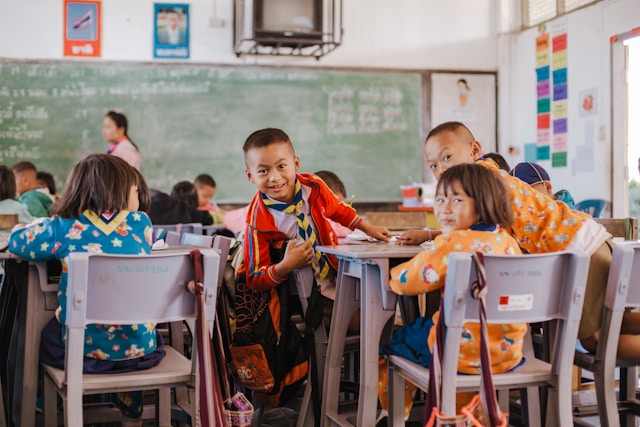
Creating a positive and effective school culture is fundamental to student success and overall well-being. It’s more than just rules and routines—it’s the atmosphere that shapes how students engage, how teachers lead, and how families connect with the school. A strong culture supports academic achievement, emotional safety, and meaningful relationships. Throughout Ray Garcia-Morales’ experiences, he saw firsthand how schools that prioritized student-centered values and partnerships often saw better conduct, higher attendance, and performance.
From setting clear behavioral expectations to providing high-quality instructional tools, each component contributes to a system where both safety and learning thrive. Ongoing reflection and open communication ensure the culture remains responsive and inclusive. In today’s educational landscape, building this kind of backdrop is not a one-time effort but a constant practice that evolves with the needs of the school community.
The Foundations of School Culture
School culture refers to the shared values, beliefs, and practices that shape the daily experiences of students and staff. In public schools, it serves as an environment that supports learning and personal growth. A strong culture doesn’t emerge by chance—it’s built through clear expectations, consistent leadership, and meaningful relationships. Over time, this culture becomes embedded in how students interact, how teachers collaborate, and even how challenges are resolved.
Safety and academic success are closely connected. When students feel secure and supported, they are more likely to stay engaged and perform well in class. Schools that invest equally in student well-being and instructional quality can see stronger outcomes across the board. This balance not only boosts academic metrics but also nurtures a sense of community and shared responsibility.
Teachers, principals, families, and students each play a role in shaping this culture. A principal who leads with consistency, families who stay involved, and students who uphold behavioral expectations all contribute to a learning environment where achievement and safety are prioritized together.
Creating Safe and Supportive Learning Settings
A safe school environment means creating spaces where students feel emotionally secure, respected, and understood. When classrooms are welcoming and inclusive, students are more open to learning and collaboration. Schools that actively address bullying, provide access to mental health support, and train staff to recognize emotional cues create a climate of trust and care. These efforts ease stress and boost students’ willingness to participate in class discussions.
In some districts, schools have implemented quiet zones and peer mediation programs to help reduce conflict and promote emotional regulation. Others have adopted restorative practices that prioritize relationship-building over punishment. These strategies help create an atmosphere where students feel seen and valued, which directly supports academic engagement. The presence of trained counselors and social workers also strengthens the support system available to students.
Strong communication plays a key role in maintaining safety. When staff, students, and families are regularly updated about procedures and expectations, it reduces confusion and builds confidence in the school’s ability to manage challenges. Transparency in communication also encourages accountability and reinforces a collective sense of purpose.
Setting Expectations and Encouraging Positive Behavior
Clear expectations set the tone for how students behave and how they approach their education. When schools consistently communicate what is expected—both academically and socially—students are more likely to stay on track. Positive behavior frameworks like PBIS help reinforce good habits while offering structured support to those who need it. Gradually, students begin to internalize these expectations, making positive behavior part of their daily routine.
Some schools have found success by recognizing small wins, such as acknowledging students who show kindness or take initiative. These create a ripple effect, encouraging others to follow suit. At the same time, early intervention systems allow educators to identify students who may be struggling and offer help before issues escalate.
A well-maintained school climate relies on structure and compassion. By blending high standards with empathy, schools can cultivate a space where achievement and respectful behavior grow together. Leadership that models these qualities sets a powerful example, reinforcing the idea that care and discipline are not mutually exclusive.
Elevating Academic Standards with the Right Tools
High expectations signal to students that their potential is recognized and valued. When educators believe all learners can succeed, it influences how instruction is delivered and how challenges are addressed. Classrooms that set ambitious goals create a culture where effort is celebrated and growth is expected. Students are more likely to take ownership of their learning when they know their teachers believe in their capacity.
Access to strong instructional materials and trained teachers plays a major role in student outcomes. In some schools, investment in evidence-based curriculum and ongoing professional development has led to measurable gains in performance. When teachers are equipped with tools that match student needs, academic progress becomes more consistent and meaningful.
Monitoring student data helps personalize instruction and guide decisions. Whether it’s through periodic assessments or informal check-ins, this feedback allows educators to adjust strategies in real time and ensure that no student is left behind.
Building School-Family-Community Connections
When schools build relationships with families and local organizations, students benefit from a broader network of support. Families who feel welcomed and informed are more likely to engage with school activities, attend events, and collaborate with teachers. This shared investment strengthens both academic and behavioral outcomes. A sense of partnership also helps students understand that their education is valued outside the classroom.
Some schools have hosted community nights or partnered with local libraries and cultural centers to extend learning beyond the classroom. These connections help students see the relevance of their education in the real world and foster a sense of belonging beyond school walls. When students witness adults from different sectors working together, it reinforces the idea that learning is a lifelong, community-supported journey.
Tracking Progress and Adapting
Schools that regularly evaluate their culture and performance are better positioned to grow. Whether through surveys, observation, or academic data, these insights reveal what’s working and where adjustments are needed. It’s not just about numbers—it’s about understanding the student experience. Consistent evaluation also helps prevent issues from going unnoticed, allowing for timely responses.
When students, staff, and families are invited to share feedback, it promotes transparency and a shared sense of ownership. In some cases, student-led panels or teacher reflection groups have sparked meaningful changes that improved both safety and learning environments. This inclusion fosters a sense of agency among all stakeholders and enhances mutual respect.
Ongoing improvement requires flexibility and a willingness to adjust. The most effective schools treat policies and practices as living tools—meant to be refined, not set in stone. This mindset encourages innovation and keeps the school culture aligned with the needs of its community.