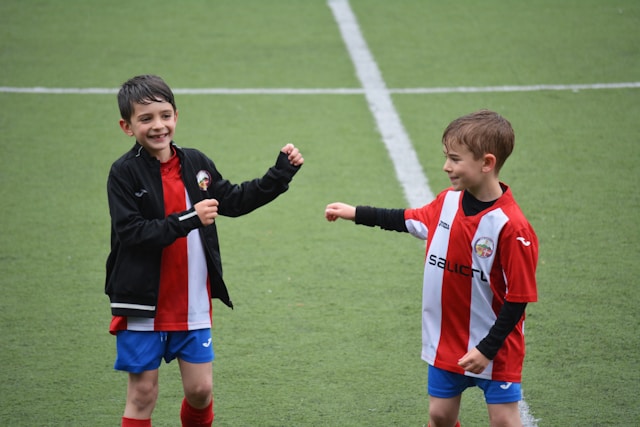
Parenting and coaching share the unique roles of nurturing, guiding, and mentoring the lives of young people. Both roles require patience, adaptability, and a values-driven approach to leadership. Whether on the field or at home, parents and coaches influence skills, behavior, and character development. Resilience, independence, and communication are fostered in these settings, helping children and players navigate challenges effectively.
These roles create lasting impressions by modeling leadership qualities, setting realistic expectations, and prioritizing growth over perfection. Lance Topol highlights how the lessons often transcend the immediate context, equipping young individuals with tools for lifelong success.
Balancing Parenting and Coaching Roles
Being a parent and a coach requires navigating two interconnected yet distinct roles. Parents nurture emotional bonds and provide lifelong guidance, while coaches foster discipline and teamwork to help players succeed in structured environments. When these roles overlap, balancing offering unconditional support and enforcing accountability can be challenging, as each moment needs a careful approach.
Core Values That Guide Leadership
The commitment to core values that shape character and decision-making is at the heart of parenting and coaching. Traits like empathy, accountability, and respect are vital in teaching kids and players how to navigate relationships and challenges. These values act as a compass, fostering strong bonds and creating an environment where growth becomes a shared goal.
Parents and coaches prioritizing these principles often see their children and players develop a more profound sense of responsibility and self-discipline. A coach teaching teamwork mirrors a parent encouraging siblings to collaborate, creating parallels and reinforcing these values’ importance in different areas of life.
Emphasizing patience in moments of frustration or disappointment underscores the importance of values-driven leadership. Whether helping a young athlete through a slump or teaching a child the value of persistence in schoolwork, these principles build the foundation for a resilient, well-rounded individual.
Communication and Building Trust
Open communication is the cornerstone of effective relationships in parenting and coaching. Trust is built when kids and players feel heard and understood; this often starts with active listening. A parent or coach who genuinely engages with what a child or player expresses fosters a sense of safety and mutual respect, strengthening the bond.
Clear expectations play a critical role in maintaining trust. Whether it’s a parent outlining household responsibilities or a coach setting goals for team performance, consistency, and transparency ensure everyone is on the same page. This clarity minimizes confusion and empowers them to express their needs or concerns without fear of judgment. A coach addressing a player’s misstep or a parent guiding a child through a disagreement with a friend demonstrates how effective dialogue can be a powerful tool for resolution.
Teaching Resilience and Independence
Resilience and independence are developed through challenges that test emotional and mental strength. The role of a parent or coach is to provide the right balance of guidance and autonomy, allowing young individuals to learn from their experiences while feeling supported. Encouraging independence doesn’t mean stepping back entirely but offering enough space for decision-making.
A coach might let a player take the lead in strategizing during a game, or a parent might allow a child to solve a problem independently before stepping in. These experiences instill confidence and the ability to adapt, laying the groundwork for future challenges.
Overcoming setbacks is also an important part of building resilience. Whether bouncing back from a poor performance on the field or dealing with disappointment in personal goals, learning to persevere despite obstacles shapes a mindset of determination and grit. These qualities often become lifelong tools for success.
Modeling Leadership Qualities
Leadership is best taught through action, as young people tend to emulate the behaviors they observe. A parent who demonstrates kindness in their interactions or a coach who remains composed under pressure sets a powerful example. These small but consistent actions show how kids and players should approach their challenges and relationships.
Consistency is key in role modeling. A coach who enforces rules on fairness, even during a heated game, or a parent who practices patience during a busy day teaches integrity and discipline through their choices. By embodying the values they wish to instill, they inspire others to adopt similar principles without directly instructing them.
The influence of role modeling often extends further than expected. A player who learns teamwork from their coach might later apply those skills in their career, or a child who grows up seeing their parent handle stress gracefully may develop a similar approach to managing their emotions.
Managing Expectations
Setting realistic goals is crucial in managing expectations. Whether in academics, sports, or personal development, goals should challenge individuals without overwhelming them. Young athletes who learn to focus on their personal best rather than compare themselves to others often experience greater satisfaction and less stress.
Acknowledging and celebrating small victories can have a profound impact on confidence. Moments of recognition, like applauding a player’s teamwork during a game or appreciating a child’s effort in completing a difficult task, reinforce the idea that growth is a process. These moments encourage individuals to strive and take pride in their progress, regardless of pace.