Window treatments serve both a functional and aesthetic purpose in any space. They control light, provide privacy, and significantly influence the overall atmosphere of a room. As interior design continues to embrace innovation alongside timeless style, window treatment trends are continuously evolving.
Homeowners and designers are prioritizing materials, functionality, and style, ensuring that window coverings meet both practical needs and modern design sensibilities. Director of Skyline Interiors, Alex Chubbuck, explores some of the most prominent trends shaping window treatment design today.
Natural Materials Take Center Stage
The use of natural materials has gained widespread popularity in recent years, reflecting a growing interest in sustainable and eco-conscious design. Bamboo, rattan, and woven wood shades are now staples for those who prefer organic textures and tones. These materials bring a sense of warmth and connection to nature that artificial options often lack. Additionally, they tend to complement a wide array of interior styles, from minimalist to bohemian.
Natural fabrics like linen and cotton are also trending for curtains and draperies. Their lightweight feel adds an airy, relaxed look to any room, making them particularly appealing for spaces where comfort and approachability are priorities. These natural materials are often more environmentally friendly, appealing to customers who are mindful of sustainability.
Minimalism Guides Modern Choices
Minimalism continues to influence interior design, and window treatments are no exception. Clean lines, simple patterns, and solid colors dominate this trend. Roller shades have gained traction due to their streamlined appearance and functionality. They can be easily customized to fit almost any window size while maintaining an understated yet polished look.
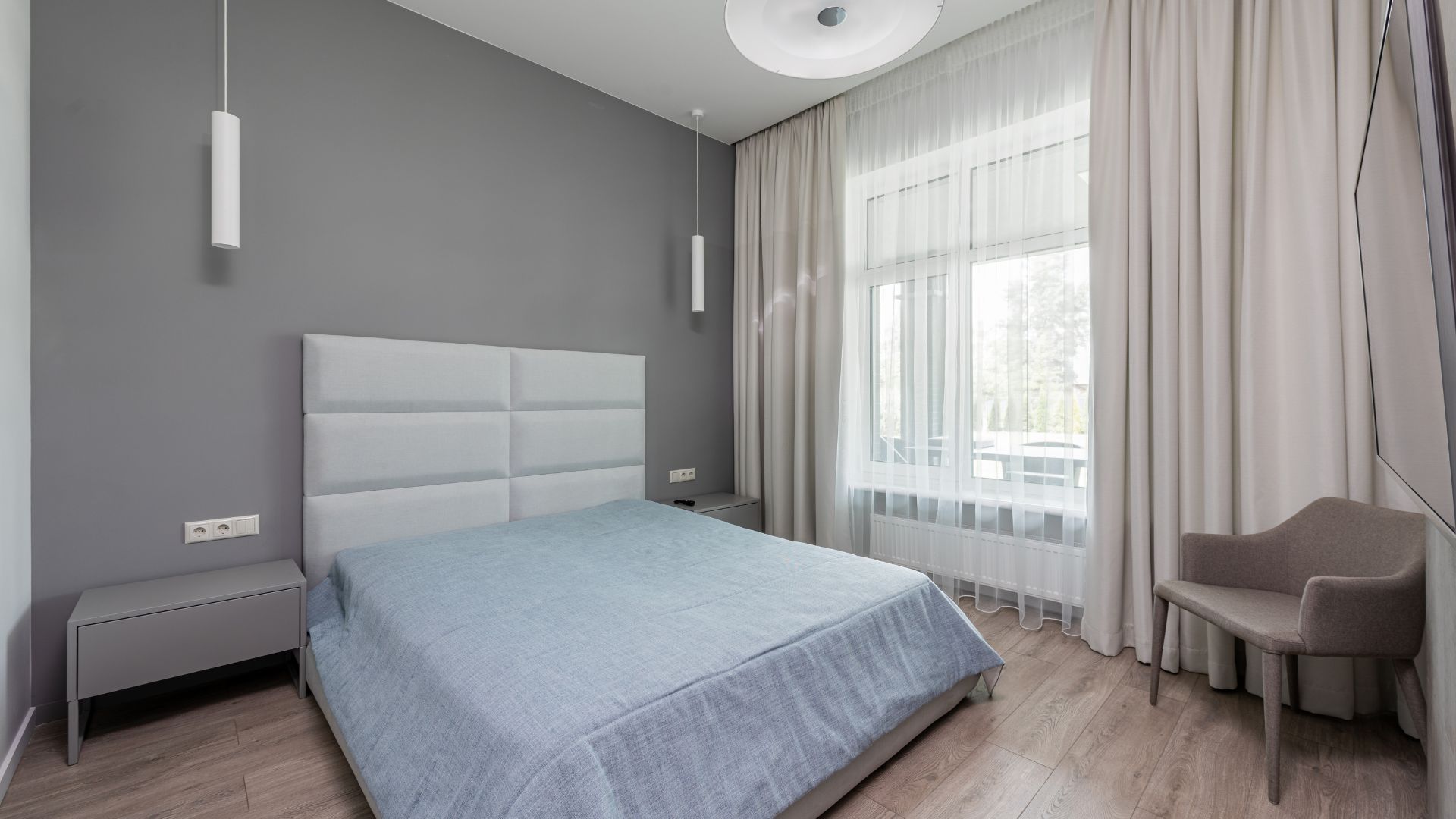
Sheer curtains also align with minimalist design principles. These lightweight panels allow natural light to filter into a room while maintaining privacy. They create a serene, uncluttered ambiance, which is highly sought after in living rooms, bedrooms, and even home offices.
For those looking to create a seamless design, hidden curtain hardware is increasingly popular. Recessed curtain tracks and minimal rods ensure that attention remains on the beauty of the fabric itself rather than the mechanisms behind it.
Motorization and Smart Technology
“Smart home technology has found its way into nearly every aspect of design, and window treatments are no exception,” says Alex Chubbuck. “They offer a level of sophistication unmatched by traditional options.”
With the push of a button or a voice command, homeowners can adjust their window treatments to control light and privacy effortlessly. Smart treatments also integrate with home automation systems, allowing users to schedule adjustments according to the time of day. This feature optimizes natural light in the home, reducing the reliance on artificial lighting and enhancing energy efficiency.
Parents and pet owners, in particular, appreciate these cordless systems, which eliminate dangling cords that can pose safety hazards. While motorized options may seem like a significant upfront investment, their long-term convenience and functionality make them an appealing choice in modern homes.
Layering for Depth and Style
Layering window treatments is a key strategy for adding visual interest and flexibility to a room. This approach often combines different types of treatments, such as pairing sheer curtains with heavier drapes or layering Roman shades beneath soft panels. The result is a multi-dimensional look that allows for greater control over light and privacy.
Layering also provides versatility in design. Sheer panels can add softness and filter light during the day, while blackout curtains create a cozy and functional solution for evening hours. Combining textures and patterns in a coordinated way introduces personality without overwhelming the space.
“For those who prefer a cohesive aesthetic, sticking to complementary colors and textures ensures the layering feels intentional rather than chaotic,” notes Chubbuck. “On the other hand, bold contrasts in fabric choices can capture attention and act as a style statement.”
Bold Colors and Patterns Return
Neutral palettes have dominated interiors for years, but bold colors and striking patterns are beginning to make a comeback in window treatments. Jewel tones like emerald green, sapphire blue, and deep burgundy are especially popular, introducing depth and richness to interiors. These colors work exceptionally well for rooms that aim to create a dramatic yet inviting atmosphere.
Patterns, whether geometric, floral, or abstract, have also seen renewed interest. This revival reflects a broader movement toward individuality in home design, as homeowners seek to create unique spaces that reflect their personal tastes. These vibrant additions can act as a focal point in a room, especially when paired with more subdued furniture and décor.
For those wary of overcommitting, patterned roman shades or valances offer a way to dip into this trend without overwhelming the space. Balance is key when incorporating bold designs; pairing these eye-catching treatments with neutral walls and furniture ensures the space remains cohesive.
Blackout and Energy-Efficient Options
Practicality remains a significant consideration in window treatment design, and blackout options have become highly sought after. These treatments effectively block out light, contributing to better sleep quality and energy efficiency, especially in bedrooms and home theaters. Blackout shades, curtains, and drapes come in a variety of colors, textures, and styles, proving that functionality doesn’t have to compromise design.
“Energy-efficient treatments, such as honeycomb blinds, are another popular choice. These options are designed to win,” says Chubbuck.
Improving a home’s energy efficiency has become a priority for many to lower utility bills and reduce environmental impact. With the growing availability of attractive designs, these functional treatments are no longer purely utilitarian.
Return to Vintage Styles
Vintage-inspired window treatments continue to captivate design enthusiasts. Traditional pleated draperies and valances, once viewed as outdated, are now finding new life in contemporary interiors. With updated fabrics and modern finishes, these classic styles bring a sense of nostalgia without sacrificing current design standards.
Shutters are another timeless option experiencing a resurgence. Whether painted in bold colors or finished in natural wood tones, shutters bring character and structure to windows. Their durability and ability to control light make them a practical choice for various settings, from kitchens to living rooms.
Mixing vintage elements with modern pieces can create a curated, collected look that makes a space feel lived-in and authentic. Choosing high-quality materials ensures that these traditional designs maintain their charm and elegance.
As homeowners seek tailored solutions for their spaces, customization in window treatments has moved from luxury to necessity. Made-to-measure blinds, shades, and curtains provide a perfect fit for windows of all shapes and sizes, solving common issues like awkward angles or oversized panes.
Customization also extends to fabric selection, color, and hardware. This flexibility allows individuals to design products that align perfectly with their interiors. Window treatments have evolved far beyond functional elements to become central components of interior design. Current trends reflect a balance between practicality and aesthetics, with options that cater to diverse tastes and needs.
Whether it’s the use of natural materials, the integration of smart technology, or the return of vintage styles, there’s no shortage of inspiration for homeowners looking to update their spaces. By staying informed on these trends and considering personalization, anyone can create a harmonious and contemporary home environment centered on well-designed window treatments.