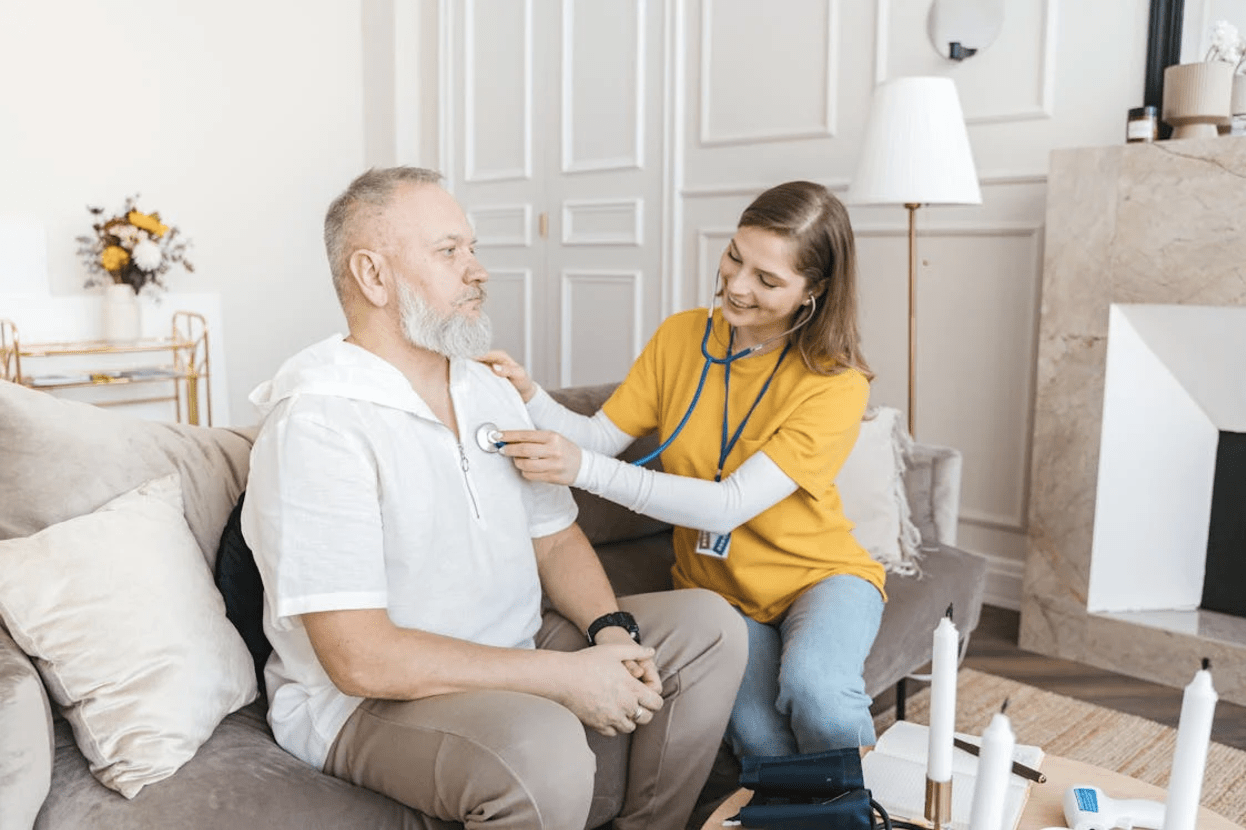
It’s a win-win when pharmacists engage with long-term care at home patients. Patients gain an advocate with the expertise needed to ensure their care regimens deliver optimal results, and pharmacists gain a significant opportunity to expand their business.
“For pharmacy owners and operators, the rapid growth happening in the long-term care at home market presents a significant opportunity to expand their business by providing tailored services and personalized care,” says Lindsay Dymowski Constantino, President of Centennial Pharmacy Services. “As pharmacists establish and nurture relationships with key stakeholders, they tap into the market and drive growth.”
Dymowski Constantino is a long-term home care entrepreneur with over 15 years of experience in the pharmacy field who is passionate about the business of pharmacy and its future in healthcare. In addition to leading Centennial Pharmacy Services, she is the co-founder and president of the Long Term Care at Home Pharmacy Network.
The following are some steps pharmacy owners and operators can take to foster trust and connections with long-term care at home patients and their caregivers.
Understand the long-term care pharmacy market
The long-term care pharmacy market is diverse. It includes seniors who want to age at home and patients with chronic illnesses who require specialized medication management. Additionally, the caregivers who assist those patients look to pharmacies for support.
Positioning your pharmacy as the go-to solution requires showing that you understand the challenges each of those stakeholders faces. As you align your marketing with the specific needs of the audience, you lay the groundwork for building a long-term relationship.
Foster relationships with key care partners
Many long-term care at home patients already have relationships with other healthcare providers. By connecting with those providers, pharmacists can establish partnerships that lead to referrals for home health care services.
“Home healthcare agencies often work directly with patients to provide medication management and door-to-door delivery services,” Dymowski Constantino says. “Partnerships between pharmacists and those agencies can be mutually beneficial, resulting in resources for the agencies and referrals for the pharmacists. You can pursue those partnerships by attending local conferences and networking events and offering educational sessions on medication adherence and safety. Demonstrating how your services complement their care plans could lead to consistent patient referrals.”
Physicians who care for patients in the long-term care at home market can be valuable allies for pharmacists seeking to connect with those patients. Meeting with these physicians in person to discuss your home healthcare services and share case studies highlighting successful patient outcomes can help them see the value you bring to their patients.
Collaborating with senior living communities is another effective way to make connections. After spending time in senior living communities, long-term care at home patients can often transition to that phase. In some cases, care at home becomes too challenging, forcing patients to move to senior living.
“Providing medication management training to senior living staff can help to foster strong relationships with the communities,” Dymowski Constantino shares. “You can also offer wellness programs or health screenings for the residents of the community or host events that explore pertinent topics like chronic disease management or polypharmacy risks. By showing you are invested in the community’s well-being, you establish a reputation that will likely lead to more referrals.”
Leverage caregiver networks
The increase in long-term care at home patients has also led to a rise in the number of caregivers who support them. Recent stats suggest that more than 25 percent of Americans age 50 or older now serve as caregivers. Connecting with those caregivers is a key way to open the door to relationships with the patients they serve.
“There are several ways pharmacists can connect with caregivers,” says Dymowski Constantino. “They can sponsor local workshops, provide free resources on topics such as medication management and healthcare navigation, and create tailored online content to assist caregivers. The more support you provide to caregivers, the more likely they will be to advocate for your services.”
Offer patients personalized services
A standardized approach to pharmacy services leaves patients and caregivers with much to figure out. Taking a personalized approach to addressing their needs saves them time and reassures them that they are getting exactly what they need. As a result, they’ll feel valued and supported, making them more likely to become loyal customers.
Personalized services can include customized medication packaging and delivery options that support the patient’s unique regimen and refill schedule. In addition, giving patients and caregivers access to mobile apps and other technology tools that streamline communication and prescription management can be helpful.
“By focusing on collaboration, education, and personalized care, you can position your pharmacy as a trusted partner in this evolving market,” explains Dymowski Constantino. “Growing your long-term care at home pharmacy business requires more than just providing excellent services. It’s about building genuine relationships with patients, caregivers, and healthcare providers. Every investment you make in those relationships is an investment in the future of your business.”
— As featured in U.S. News & World Report, Lindsay Dymowski Constantino is the President of Centennial Pharmacy Services, a leading long term care-at-home pharmacy, and co-founder of LTC@Home Pharmacy Companies, which supports the pharmacy and broader healthcare industries in providing long-term care pharmacy services in the home setting. With over 15 years of experience in the pharmacy field and a strong entrepreneurial spirit, Lindsay enables better health outcomes through patient-centric care and has a deep understanding of what drives successful pharmacies beyond medication dispensing. She is passionate about the future of pharmacy in healthcare and actively advances pharmacy practice through national conference presentations, media appearances, continuing education programs, and board memberships.