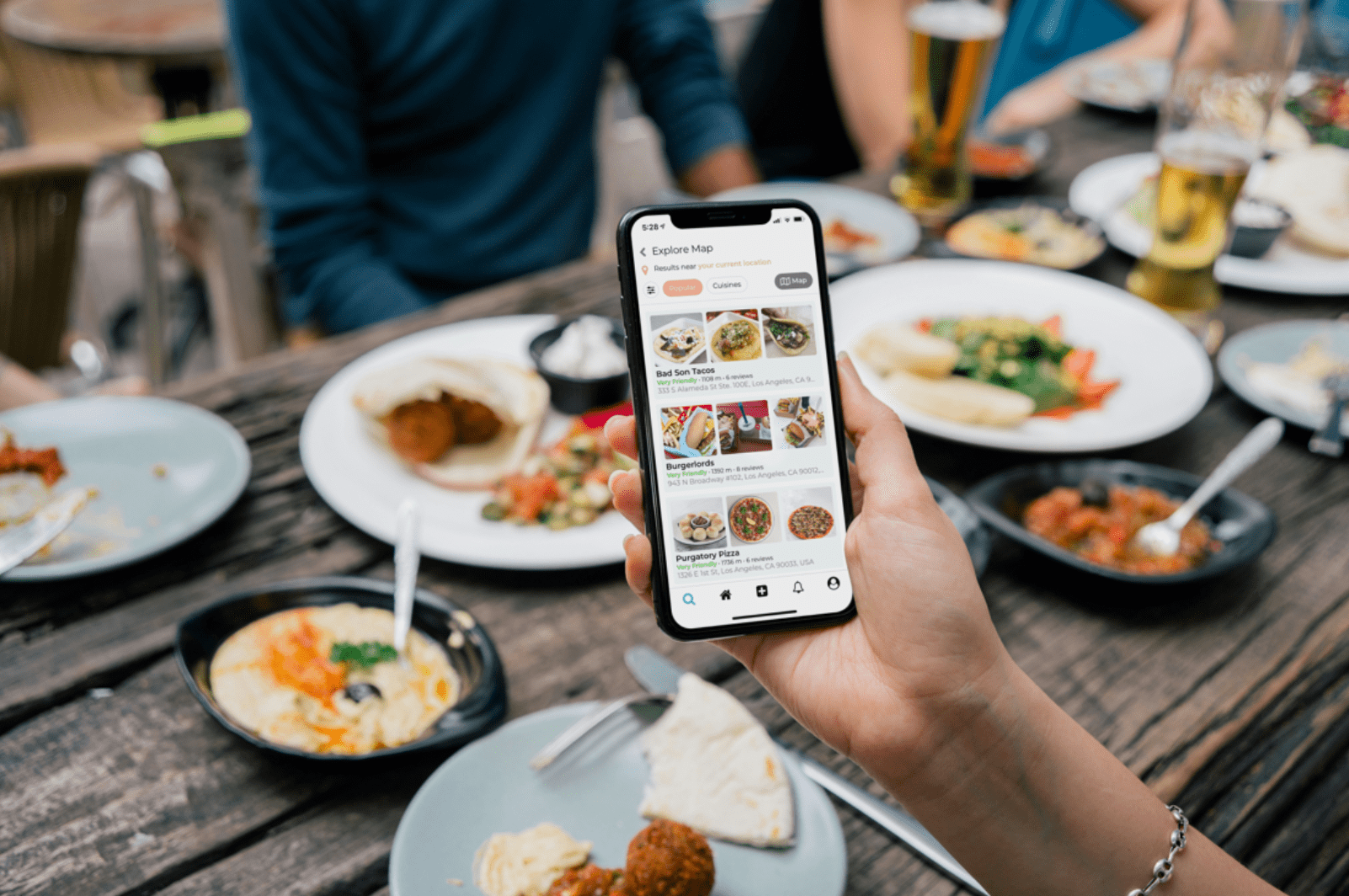
When examining our history with food delivery apps, we delve into our relationship with sustenance, convenience, and technology. This evolution prompts us to consider how we consume and what we value as a society in an increasingly digitalized world. The development of food delivery apps represents a fascinating tapestry of technological innovation, each thread symbolizing a milestone in the quest for efficiency, seamlessness, and user experience.
Kaisa Aierken is the founder and visionary behind Kavl Technology Ltd., based in Victoria, British Columbia. His company is a frontrunner in providing advanced web development, e-commerce solutions, and pioneering game development with an integration of blockchain technology.
Kaisa Aierken brings an innovative approach to technology, making significant strides in enhancing user experiences and expanding technological horizons. His expertise in tech dynamics and consumer behavior shapes his insights on digital transformation in food delivery, making him a respected voice on evolving digital platforms.
Societal Impact of Food Delivery Apps
Accessibility and Inclusivity
Food delivery apps have revolutionized how different demographics access food services, particularly benefiting groups like the elderly and disabled, who may find it challenging to dine out. By providing a user-friendly interface that allows users to order food with just a few clicks, these apps ensure that everyone, regardless of mobility or geographic constraints, can enjoy various meals delivered directly to their doorstep. This democratization of food delivery services enhances the quality of life by broadening food choices and increasing convenience, thereby fostering a more inclusive food culture.
Economic Impact
The rise of food delivery apps has significantly impacted the local economy. They offer growth opportunities for restaurants by reaching more customers, but also create competitive pressure for smaller establishments. These apps have also created flexible job options for delivery drivers, but raise concerns about job security and benefits. The widespread adoption of these services may reshape urban commercial real estate as restaurants prioritize delivery over dine-in experiences.
Cultural Shifts
The rise of food delivery apps has led to noticeable shifts in dining habits and cultural practices related to food. Traditional family meal times are evolving as the convenience of ordering in encourages a more spontaneous approach to meals. This shift can reduce the frequency of home-cooked meals, impacting the culinary skills of younger generations and altering family dynamics. Additionally, the global exposure to various cuisines facilitated by these apps can enrich cultural understanding and appreciation but may also lead to homogenization, where distinct culinary traditions become diluted over time.
“As food delivery apps offer convenience and a taste of global cuisines, they’re also evolving traditional family meal times and enriching our culinary traditions,” says Kaisa Aierken. “This shift broadens our cultural understanding and brings a world of flavors into our homes, enhancing the very cultural practices that define us.”
Ethical and Environmental Considerations
Data Privacy
One of the significant ethical concerns with food delivery apps is the management and use of personal data. These apps collect vast amounts of user information, including payment details, order history, and location data, to enhance service efficiency and personalize user experiences. However, this raises critical questions about user privacy and the security measures in place to protect sensitive information. The transparency of these apps in handling user data, along with their compliance with data protection regulations, is crucial in maintaining user trust and ensuring ethical standards in their operations.
Environmental Impact
The environmental footprint of food delivery services is another area of growing concern. The convenience of such services often comes at the cost of increased vehicle emissions due to frequent delivery trips and the use of non-biodegradable packaging materials. The surge in delivery frequency, particularly during peak times, contributes significantly to urban traffic congestion and associated pollution. The disposable nature of delivery packaging, often made from plastics and other materials difficult to recycle, adds to environmental degradation. Sustainable practices such as using eco-friendly packaging and optimizing delivery routes can help mitigate these impacts.
Worker Rights
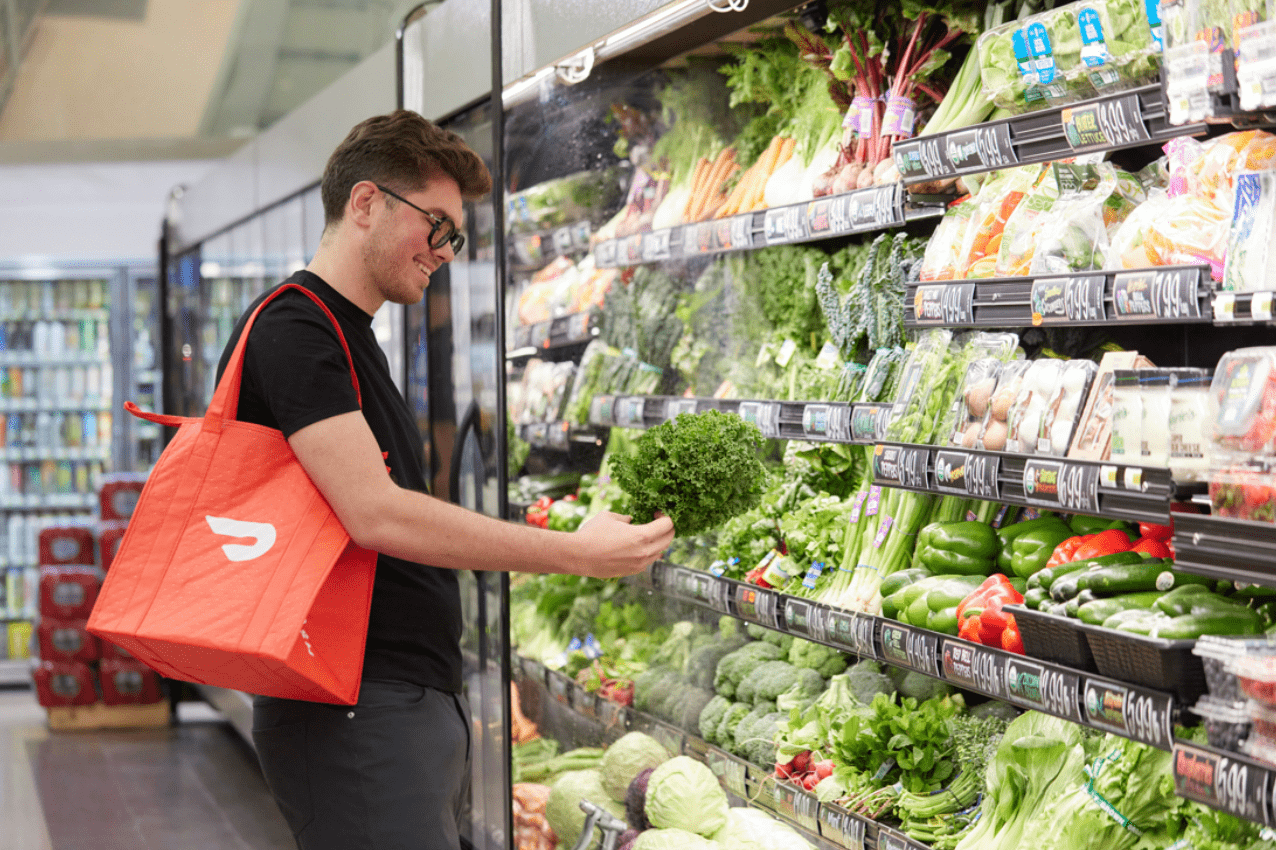
The gig economy model, foundational to most food delivery apps, presents several ethical challenges concerning worker rights. Delivery personnel often work as independent contractors, which means they may lack the benefits and protections standard for regular employees, such as health insurance, paid leave, or job security. The inconsistent income and the necessity to work in all weather conditions without guaranteed compensation raise significant concerns about the sustainability and fairness of gig work. There is an ongoing debate about the need for better regulatory frameworks to ensure fair treatment of gig workers and to provide them with more stability and support.
“As we innovate in services like food delivery apps, it’s crucial to balance flexibility with fairness. We must advocate for regulations that ensure gig workers receive fair treatment and protections, as this is fundamental to the sustainability of our tech-driven services,” states Aierken.
Future of Food Delivery Apps
Trends and Predictions
The future of food delivery apps is likely to be shaped by several innovative trends, significantly altering how consumers interact with food services. One promising development is the integration of these apps with smart home devices. For example, users might soon be able to order food directly through their smart speakers or connected home systems, streamlining the ordering process to make it even more convenient. Another exciting frontier is virtual reality (VR) dining experiences, where users can enjoy a simulated dining environment from the comfort of their homes, perhaps even sharing a virtual meal with others located miles away. These advancements aim to enhance the digital dining experience, making it more interactive and immersive.
Potential Market Changes
As technology evolves, the food delivery market is expected to undergo significant changes. The increasing demand for faster, more efficient service could drive widespread adoption of AI and automation in cooking and deliveries, possibly with drones and autonomous vehicles becoming common. Consumer preferences might shift towards more sustainable and health-focused eating options, prompting apps to adjust their offerings to cater to these demands. Economic factors like changes in employment patterns and disposable income could influence how often consumers choose to order in versus dine out.
Global Perspective
The adoption of new food delivery technologies will vary across different regions of the world, influenced by local cultural preferences, economic conditions, and technological infrastructure. In densely populated urban areas in Asia, for instance, the speed of delivery might drive innovations such as drone delivery, while in Europe, the emphasis might be on sustainable practices and eco-friendly packaging solutions. Emerging markets could leapfrog directly to the latest technologies, bypassing traditional stages of technological adoption due to the lack of entrenched legacy systems.
“Adoption of new food delivery technologies reflects regional dynamics,” says Aierken. “Emerging markets have the unique advantage of adopting the latest technologies without the constraints of legacy systems, showcasing the diverse pathways of technological integration.”
The evolution of food delivery apps has significantly impacted our daily lives, integrating advanced technology with our basic need for sustenance. The societal impact extends beyond convenience to affect accessibility, economic structures, and cultural dining practices. Ethical and environmental considerations have also emerged, challenging developers and users to balance convenience with sustainability and fairness. Integrating emerging technologies points towards a future where food delivery is more efficient, personalized, and interconnected with other smart technologies.
Food delivery apps are reshaping how we order and receive food, and influencing the gig economy. As technology progresses, we might see more integration with everyday devices and an increase in sustainable practices. The global reach of these technologies suggests a varied impact across different regions, reflecting and shaping societal values.