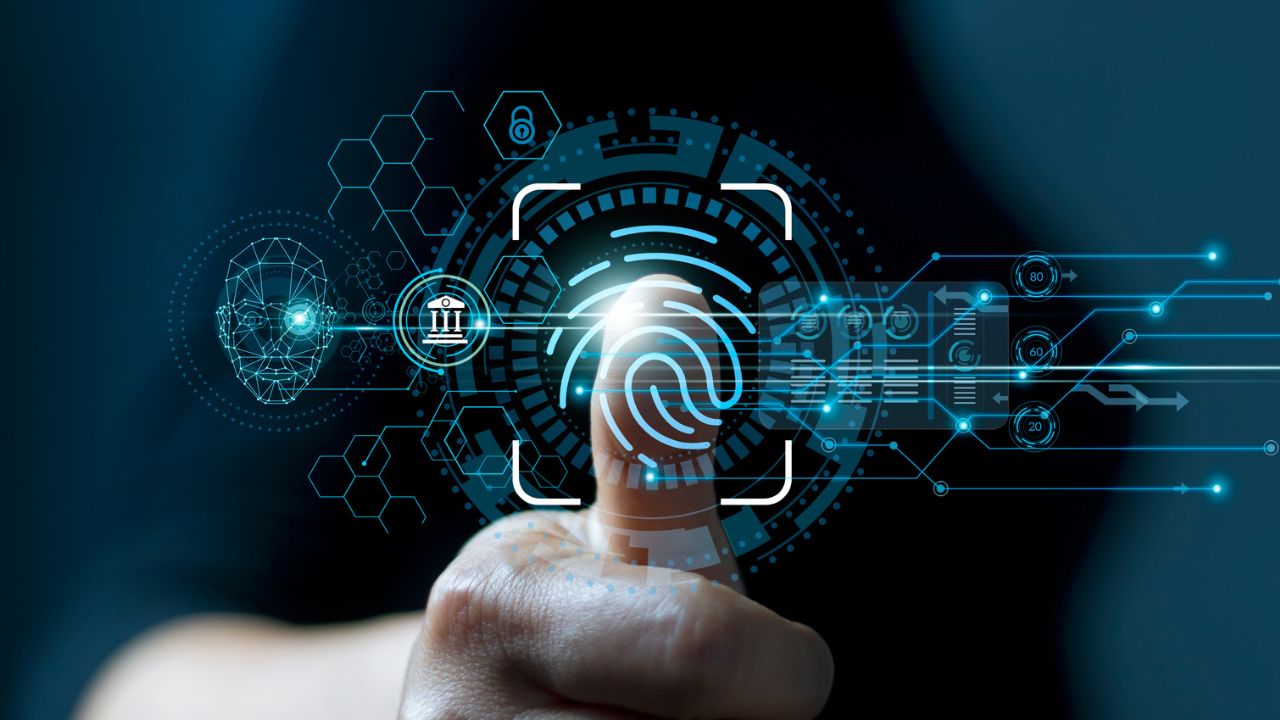
In recent years, the world has witnessed rapid advancements in technology that have played a significant role in shaping various industries, and border control is no exception. The integration of biometrics and artificial intelligence (AI) into border control systems is a testament to the ever-evolving nature of technology.
Dr. Enrique Segura, President, and CEO of Securiport LLC, has been at the forefront of this technological revolution. In this article, Dr. Segura sheds light on how biometrics and AI are transforming border control, making it more efficient, secure, and seamless.
Enhancing Security with Biometric Identification
The use of biometrics in border control has been a game-changer in terms of enhancing security. Biometric identification involves the use of unique biological traits, such as fingerprints, facial recognition, and iris scans, to identify individuals. This form of identification is much more secure than traditional methods like passports and ID cards, which can be easily forged.
“The incorporation of biometric technology into border control systems has led to a significant reduction in the number of fraudulent entries,” says Dr. Segura. “Biometrics provide a level of identification accuracy that traditional methods simply cannot match.”
Streamlining Processes with Artificial Intelligence
Artificial intelligence has come a long way in recent years, with its ability to analyze large volumes of data and make intelligent decisions based on that analysis. In the context of border control, AI can be utilized to streamline various processes, making them more efficient and reducing the workload of border control agents.
“AI can process vast amounts of data quickly and accurately, enabling it to recognize patterns and anomalies that human agents might overlook. This helps streamline border control processes and allows for more effective decision-making,” says Dr. Segura.
By automating tasks such as document verification, AI not only reduces the chances of human error but also frees up border control agents to focus on more complex tasks, ultimately increasing the efficiency of the entire system.
The Emergence of Smart Borders
The combination of biometrics and AI has paved the way for the emergence of “smart borders.” Smart borders represent the future of border control, offering a balance between security and facilitation. As technology continues to advance, we can expect to see more countries adopting this approach to enhance their border management capabilities.
These borders are equipped with advanced technology, enabling seamless and efficient movement of people and goods while maintaining high levels of security. Some examples of smart borders include the use of e-gates and automated border control kiosks that expedite passenger processing.
Addressing Privacy Concerns
While biometrics and AI have undoubtedly revolutionized border control, they have also raised concerns about privacy and data protection. Critics argue that the collection of biometric data and its storage in centralized databases can lead to potential misuse or unauthorized access.
“While privacy concerns are valid, the advantages of biometrics and AI in border control far outweigh the risks,” says Dr. Segura. “The key is to ensure that appropriate data protection measures are in place and that data is used responsibly, and that is the responsibility of the Government.”
To address these concerns, governments and private organizations must invest in robust cybersecurity measures and strictly adhere to data protection regulations.
The integration of biometrics and AI into border control systems has led to a significant transformation in the way borders are managed. These technologies have enhanced security, streamlined processes, and given rise to the concept of smart borders. While there are legitimate concerns about privacy and data protection, the benefits of these technologies far outweigh the risks when implemented responsibly.
As the world continues to grapple with issues such as immigration, terrorism, and international trade, the need for advanced border control systems becomes increasingly critical. By harnessing the power of biometrics and AI, we can create a safer and more efficient border control system that can adapt to the changing needs of our global society.
Governments and private organizations are continuing to invest in the development and implementation of biometric and AI-driven border control solutions. It is crucial to ensure that these technologies are used ethically and responsibly. This requires the development of comprehensive legal frameworks, robust cybersecurity measures, and ongoing dialogue between stakeholders.
The revolutionizing impact of biometrics and AI on border control is undeniable. As technology continues to advance, it will be essential to strike a balance between security and facilitation, ensuring that both travelers and nations can reap the benefits of these innovations while safeguarding privacy and data protection. Under the guidance of experts like Dr. Enrique Segura, the future of border control looks promising, with the potential to create a more secure and interconnected world.
About Dr. Enrique Segura
ENSE Group Chairman, Dr. Enrique Segura is CEO of the holding company which includes Securiport, Harbass, Kibo Laboratories, and Alex Stuart International. He is the former CEO of SWIPCO U.S.A., which provides procurement services to multiple national governments. Dr. Enrique Segura serves as Vice Chairman of the Board of Trustees for the Catholic University of America. He sits on the Board of Directors for Catholic Charities of Washington.