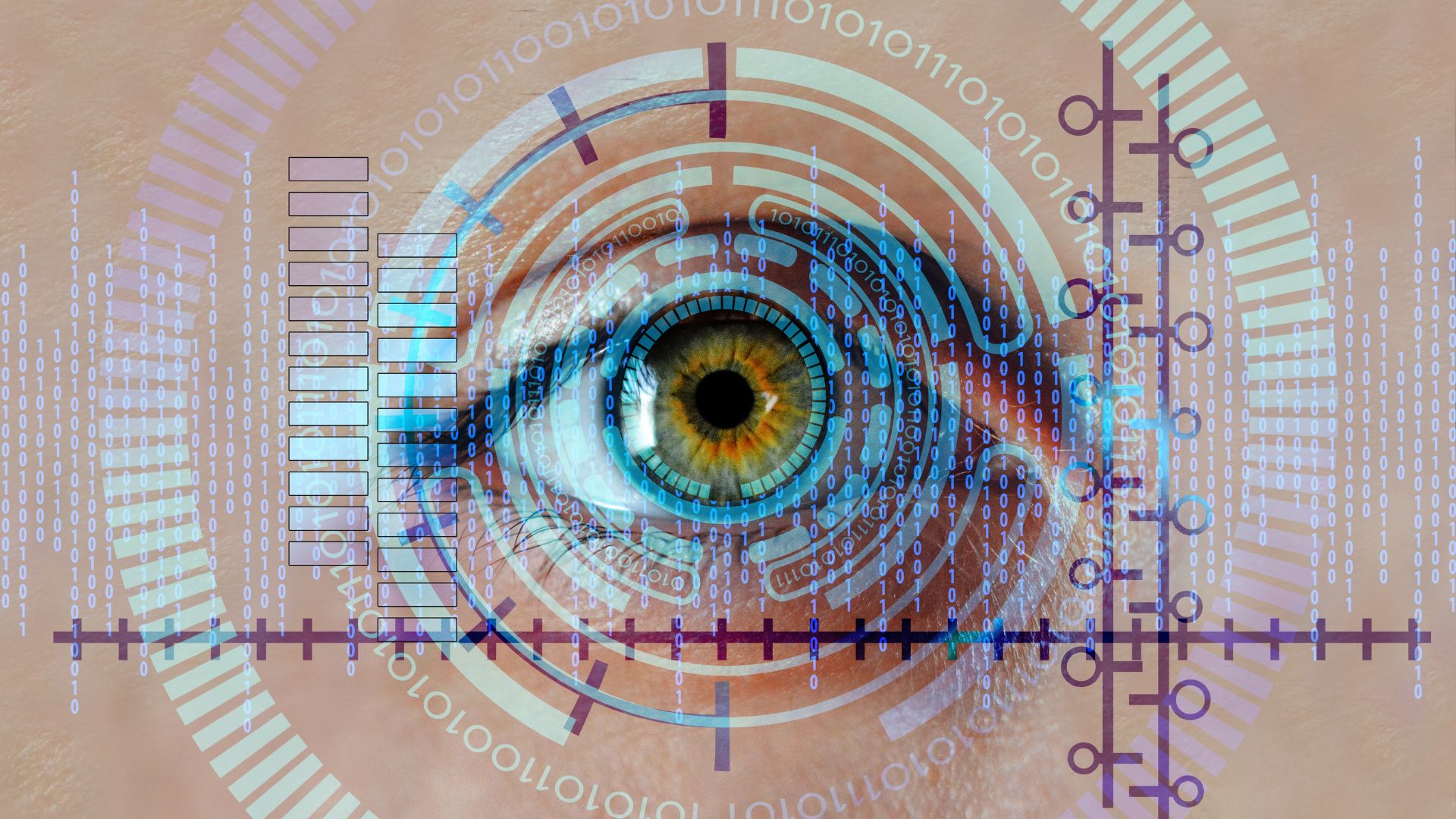
Healthcare is becoming more personalized all the time. Now that we have advanced sensors and data collection methods, healthcare professionals can use a patient’s unique health information to inform treatment and provide recommendations that are tailored to their needs.
Healthcare apps have been a game-changer in personalized medicine. Instead of needing expensive, specialized equipment to monitor a patient’s condition and lifestyle habits, an app installed on a phone or wearable device can continuously collect and save critical data, such as heart rate and sleep data. This can help allow patients to make fewer trips to the doctor and maintain their independence longer.
Apps might be the key to personalized medicine, but there are some concerns and flaws that need to be considered and improved for them to become more widely used in the healthcare industry. One badly needed update for medical apps as a whole are integrated biometrics systems. Here’s why.
What Are Biometrics?
Biometrics are essentially the different types of unique biological information all humans have. Our DNA, fingerprints, voices, and other features that make us “us” are like no one else’s in the world. You can’t share biometrics with anyone else, making them a powerful identification and security tool.
The earliest recorded use of biometrics was in 1858 in India, using handprints to identify work contracts. Today, there are many different types of biometric technologies available, including fingerprints, facial recognition, voice recognition, retinal scans, behavior, and more. Biometrics are frequently used as a security measure for unlocking electronic devices and for criminal investigations.
Improve Security and Privacy
Healthcare data is some of our most valuable and sensitive data. We have to trust our doctors with it since they need access to our health history to provide proper care. However, healthcare data is strictly controlled in the United States and protected under HIPPA (the Health Insurance Portability and Accountability Act of 1996).
Data security has become a huge problem in recent years, with data breaches and theft becoming increasingly common. Although electronic health records (EHRs) have made patient care much easier and more convenient while increasing personalization, healthcare organizations have been struggling to keep their data safe.
Biometrics can help improve privacy and security for patients by making it much more difficult to hack into healthcare apps. Once patients link their names with their biometric data, only they should be able to access their account and data. They would still be able to share their data with their healthcare team, but it would reduce the ability of hackers to gain access to sensitive health data.
Encourage Patient App Use
Many patients are wary of using healthcare apps, due to the possibility of data breaches. While this is understandable, it does mean that lots of people miss out on the opportunity to be active participants in their healthcare.
By integrating biometric technology, patients can feel more comfortable with using apps to take control of their most sensitive data. Biometrics add a layer of peace of mind for patients and might encourage them to become healthier through using these apps.
Raise the Bar on Ethics
While we’d like to believe that all medical professionals are ethical and have their best interests at heart, that’s not always the case. Securing health app data with biometrics can help to ensure that patients are protected and physicians are held to the highest standards.
Unethical behavior isn’t always intentional, but that doesn’t mean it’s not harmful. Doctors who share patient data, intentionally or not, are compromising patients’ trust. Apps equipped with biometrics can help reduce these potential ethical issues.
Prevent Identification Errors
Some of the worst stories in healthcare come from errors. In one particularly awful example, a woman was given the responsibility to take her brother off life support—only to find out that he’d been misidentified. Her brother was alive, but she’d pulled the plug on a stranger.
This is a dramatic example, but things like this do happen. Requiring biometric information for health apps increases data accuracy and prevents data from being attributed to the wrong person. This could be critical, especially as health apps become even more advanced and functional. Healthcare providers need to be sure they’re working with the right patient and using the correct data to provide care.
Apps For Patients and Providers Improve Healthcare
Advance technology is becoming increasingly important in healthcare, especially as personalization takes priority. To fully leverage the power of health technology, it’s critical that patients feel safe and in control of their own data. Apps designed to monitor health and encourage good habits play an important role in modern patient care and should be protected like any other healthcare data collection system.
While there are challenges and concerns with any type of technology, we need to consider the pros and cons above all. With biometrics integrated into healthcare apps, patients can have increased security and peace of mind while gaining access to tools that will help them live better, healthier lives.