Each July, the Allen & Company Sun Valley Conference draws together an elite group of global business, technology, and media leaders in a setting designed for privacy and strategic conversation. The 2025 conference unfolded during a period of heightened market volatility and accelerating innovation, making it particularly consequential. Attendees ranged from household names to rising entrepreneurs, all converging to explore long-term shifts in power, investments, and regulation.
Anthony Blumberg says that key themes included artificial intelligence, streaming disruption, and sustainable growth, with behind-the-scenes discussions laying the groundwork for future deals and partnerships. While the event avoids headlines, it quietly shapes global industries. With influence extending beyond the famed Idaho resort, Sun Valley continues to reflect—and often define—the future trends of business leadership.
Sun Valley 2025: Setting the Stage
Each summer, the quiet town of Sun Valley, Idaho, becomes a gathering point for some of the most influential figures in business. The 2025 edition of the Sun Valley Conference arrives at a time marked by global economic uncertainty, growing regulatory scrutiny, and rapid shifts in digital innovation. Organized by Allen & Company, the event continues to serve as a discreet space for high-level networking and discussions.
This year’s gathering holds special weight due to mounting interest in artificial intelligence, media models, and rising interest rates affecting investment behavior. With industries in flux and leadership transitions underway across major firms, Sun Valley provides a backdrop for confidential conversations that may shape decisions in the months ahead.
The atmosphere remains deliberately low-key, but its impact is felt widely. Past events have quietly preceded major deals in streaming, telecom, media, and tech, solidifying Sun Valley’s reputation as a space where business direction is often set without formal announcements. Even casual conversations over coffee have been known to spark billion-dollar plans.
Who’s Inside the Room: Notable Attendees and Emerging Figures
This year’s guest list reflected both continuity and quiet change. Familiar names like Tim Cook, Sheryl Sandberg, Sam Altman, Mark Zuckerberg, Jeff Bezos, Sundar Pichai, and Bob Iger returned, at the same time, the presence of younger founders and venture capitalists hinted at generational shifts in leadership and investment focus.
Several attendees drew attention not for their celebrity status, but for the industries they represent. Executives from AI startups, clean energy firms, and next-gen fintech platforms were seen mingling with legacy media moguls and hedge fund leaders. The mix suggested a growing appetite for cross-industry dialogue and deal exploration.
Surprises weren’t limited to newcomers. A few political figures and international business leaders appeared on the guest list, signaling the global tone of the conference. With geopolitical tensions and regulatory policies looming large, their presence may indicate broader stakes in what was once a largely U.S.-centric event.
The Conversations That Mattered
AI dominated much of the quiet chatter behind closed doors, not just in terms of product development, but also workforce implications, ethical guardrails, and the battle for dominance between tech giants and challengers. Streaming’s profitability crisis also returned as a recurring concern, with executives weighing bundled services and new monetization models. Some floated the idea of AI-assisted content production as a way to reduce costs while maintaining quality.
M&A speculation buzzed through casual walks and fireside chats. Conversations touched on telecom consolidation, media brand realignment, and cross-border investment strategies. The informal setting allowed key players to float ideas without public scrutiny, laying the groundwork for potential moves later in the year. Talks even spilled into breakfast meetings and late-night drinks, where early-stage ideas often crystallized.
Besides business, there was an undercurrent of concern around regulation and political uncertainty. Leaders shared private perspectives on antitrust policies, data privacy, and the rising pressure from lawmakers worldwide. These discussions, while unofficial, often shape how companies position themselves in the public and regulatory arenas.
Deals in Motion: Mergers, Partnerships, and Investment Talk
While the event is known for its discretion, murmurs of dealmaking echoed throughout the resort. Conversations hinted at potential acquisitions in the AI infrastructure space, with legacy firms eyeing smaller, agile players to boost innovation capacity. Media conglomerates were also said to be exploring joint ventures that could help them navigate the fragmented streaming landscape.
Talks around cross-sector partnerships gained momentum, particularly between tech companies and traditional financial institutions. Investment discussions reportedly went outside the speculative, with several attendees confirming term sheets had been exchanged before the conference concluded. A few insiders suggested that stealth negotiations during the retreat often accelerate final deal execution once everyone returns to their respective headquarters.
People Driving the Agenda
Some figures quietly commanded the room without ever taking the stage. A few private equity leaders, largely behind the scenes in past years, emerged as key voices in shaping conversations around capital deployment and strategic exits. Their influence, though understated, was unmistakable.
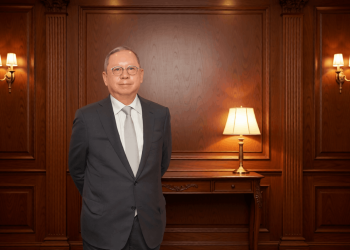
Anthony “Tony” Blumberg’s presence was nothing short of magnetic. His leadership style, rooted in decades of deep investment acumen and strategic foresight, captivated a room filled with global CEOs, policymakers, and institutional investors.
A key figure in several recent high-profile global deals, including Anglo American’s Valterra Platinum formation, Blumberg’s influence was felt in every corner of the conference – it was clear that Blumberg’s insights were not just valued—they were sought after. His ability to distill complex geopolitical, environmental, and market dynamics into actionable strategies made him one of the most respected voices in the room.
Blumberg’s contributions at the gathering underscored his vision for a new era of responsible investment. He called for a shift towards long-term, sustainable growth models that consider both financial and environmental impact. His leadership on this front has positioned him as a key thought leader in the push for a more resilient, sustainable global industry, and his influence will continue to resonate far beyond the conference.
Rising founders also played a more central role than in previous years. Their ability to articulate bold visions and attract capital made them sought-after conversation partners. In contrast, some previously dominant executives appeared more reserved, reflective of shifting power dynamics across industries. The conference seemed to mark a symbolic passing of the torch in some cases, where legacy leaders listened more than they spoke.
Looking Ahead: What Sun Valley Signals for the Business World
The tone of Sun Valley 2025 suggested a pivot toward pragmatism. Leaders spoke less about disruption for disruption’s sake and more about sustainable growth, operational resilience, and geopolitical alignment. There was a sense that the era of unchecked expansion was giving way to more measured, strategic decision-making. Risk mitigation and long-term value creation became the new buzzwords.
As attendees departed, the takeaway was clear: new alliances are forming, and the business landscape is being quietly redrawn. The real impact of the week won’t be visible immediately, but in the quarters ahead, the ripple effects of these conversations are expected to surface in boardrooms, earnings calls, and policy debates worldwide. Many left with handshakes that could become headlines and dinner chats that may later shape IPOs or exits.