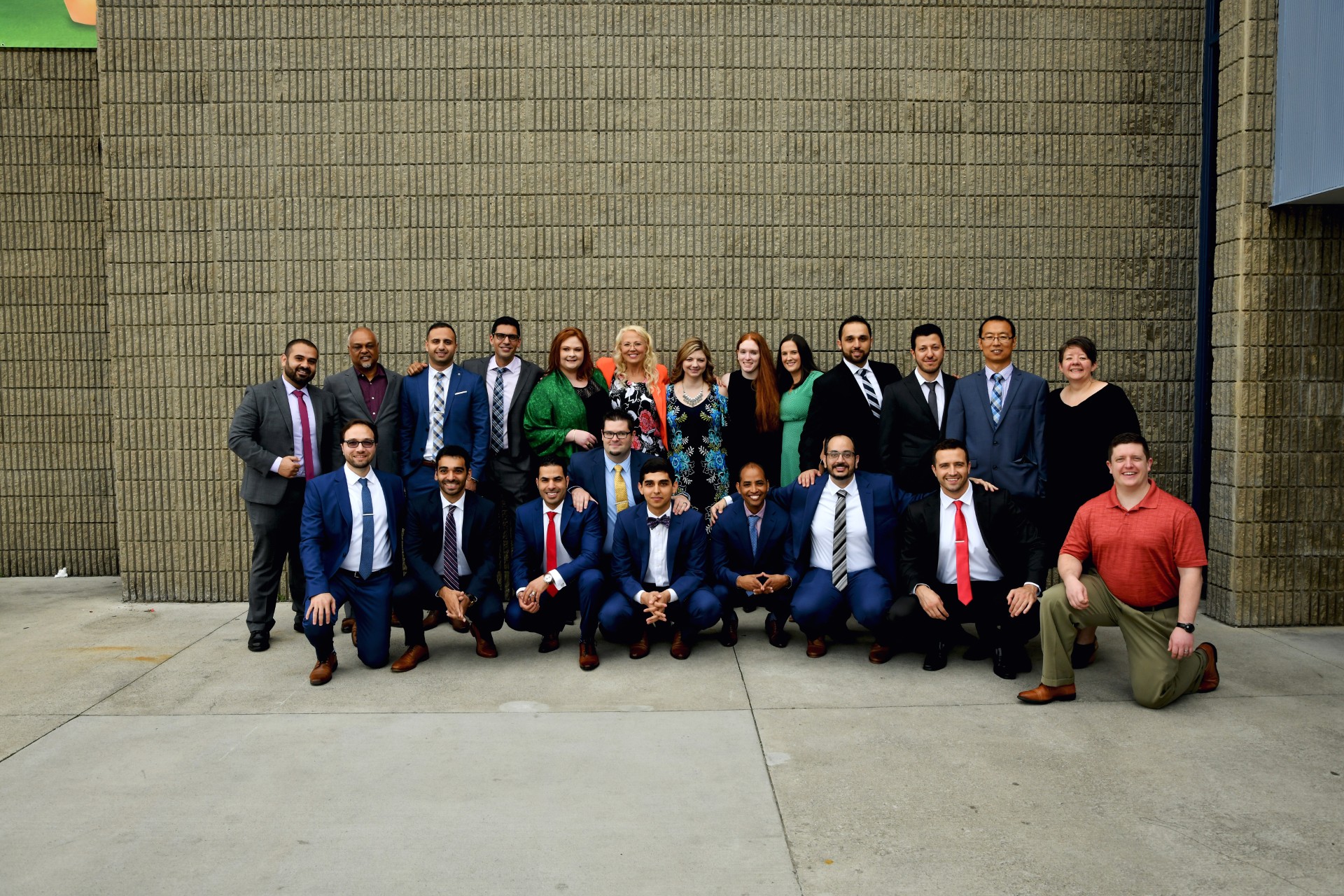
When someone goes to a hospital or local healthcare clinic, they are in a vulnerable position. In turning to an expert to help manage, treat, or cure their varied conditions, they are putting their health and well-being in the hands of another person. It’s no surprise, then, that building trust is a critically important part of any physician’s career, both on a day-to-day basis and over the long years of practice.
It’s much easier to build these trusting relationships and thus deliver exceptional care when the healthcare provider is able to bring a wide perspective and cultural awareness to their workplace. Whether it’s simply understanding the different needs and expectations of patients from rural versus urban communities, or understanding the stories of people from across borders, a good physician can listen and understand—it might just make a difference in that patient’s treatment plan.
Few physicians understand this dynamic as personally as Dr. Yasir Jawaid. From his birthplace in Houston, Texas, to his childhood in the Sind region of Pakistan, to the vibrant city of Karachi, and back to the United States, Dr. Jawaid has traveled far and seen how different perspectives and cultures impact healthcare. Now practicing as an intensivist in the Washington, D.C. area, and specializing in Cardiac and Vascular Surgical Intensive Care, Dr. Jawaid’s unique history gives him a valuable perspective on patient care in high-stakes environments.
“Spending my early years in both rural Sind and urban Karachi taught me that every patient arrives with a story shaped by their environment, their resources, and their expectations of care,” Dr. Yasir Jawaid explains. “In high-stakes situations, it’s helped me treat people not just with urgency, but with a deep respect for their individuality.”
Calm and Cultural Competency In The ICU
The intensive care unit is a place of high stakes and tension at the best of times—such is the nature of its role in the hospital. Dr. Yasir Jawaid, like any skilled critical care physician, knows the importance of keeping himself and his patients calm and composed in these situations. This often comes down to a combination of cultural competency, training, and trust.
Some of that comes from learning on the job; knowing the rest of the medical team, trusting the process, and learning to focus on the next step all come in time. Dr. Jawaid says, “In high-pressure situations, clarity comes from preparation and a shared understanding of roles. You rely on muscle memory, communication, and the ability to stay grounded, even when the stakes are high.”
However, there are some aspects of healthcare that can’t be as easily trained. Every patient has their own story, their own needs and expectations for care. In Dr. Yasir Jawaid’s eyes, physicians should act with humility, patience, urgency, and resilience. Before and after surgeries and other procedures, patients need to be able to trust that they are being heard and understood, because there’s no better way to build trust and confidence.
“When speaking with patients and families, I adapt my communication style to ensure clarity and empathy,” explains Dr. Jawaid. “By involving patients and families in the conversation and trying to understand their values and fears, empathy becomes part of the care plan, not separate from it.”
A patient from a rural area may have different worries about a procedure than someone from an urban area. There could be cultural or religious concerns that may have been brushed off in the past, leaving some patients hesitant to speak up and provide all the necessary information. For these reasons, cultural competency is critical for any healthcare provider.
“It means seeing the whole person, not just the illness,” Dr. Jawaid explains. “I ask, listen, and respect each patient’s values—because healing starts with understanding. My experiences growing up pushed me to become a better listener and to stay flexible in how I approach each case.”
Working Well Under Pressure
During the tense emergencies or high-stakes procedures, the entire medical team must be able to work well together under pressure. In Dr. Yasir Jawaid’s experience, this is easiest with clear communication, mutual respect, and adaptability; things rarely go to plan, and so it’s important that physicians trust each other enough to respond appropriately and communicate clearly. This is especially true with team members from diverse disciplines, each an expert in their role and responsibility. By building such an environment, physicians are able to foster an effective and collaborative atmosphere that is well-prepared to give the patient the best care possible.
“Regular check-ins, whether virtual or in-person, help ensure that everyone is aligned and any concerns are addressed promptly,” says Dr. Jawaid. “It’s also important to establish clear expectations and workflows from the start so all team members know their roles and responsibilities.”
Outside of the operating room, collaborative team efforts are essential to streamlining processes and improving patient outcomes. In the same way that cultural competency and respect build trust between doctor and patient, interdisciplinary dialogue and respect build trust as a team, ensuring that everyone is aligned on patient care plans and current challenges.
“By bringing together professionals from various disciplines—nurses, physicians, allied health, and administrative staff—we’re able to approach challenges from multiple perspectives,” explains Dr. Jawaid.
From Beyond The Public Eye
While medical dramas and the news media often focus on lifesaving emergency procedures and processes, much of the work of a critical care doctor occurs behind the scenes, outside the usual public eye. Dr. Yasir Jawaid spends much of his time managing complex cases, supporting patients’ families through incredibly difficult moments, and coordinating care across an array of specialties in accordance with patients’ needs. This high-stakes, impactful work often goes unnoticed and unrecognized by many outside of the system itself.
Dr. Jawaid’s goal is to use his growing platform to highlight the nuances of critical care, from how decisions are made to how teamwork drives patient outcomes. He has built his career on compassionate care, on reaching out to connect with patients; it’s only natural to open the door and let the public in, to see what it’s like. Beyond that, he hopes to provide insights and experiences that medical students and early-career physicians can use to learn about his field, as it’s rarely represented outside of the hospital itself.
“The focus stays on the mission—sharing knowledge and improving care,” he says. “I hope to be remembered as someone who brought precision and heart to critical care—and who made space for culture and compassion in every decision.”