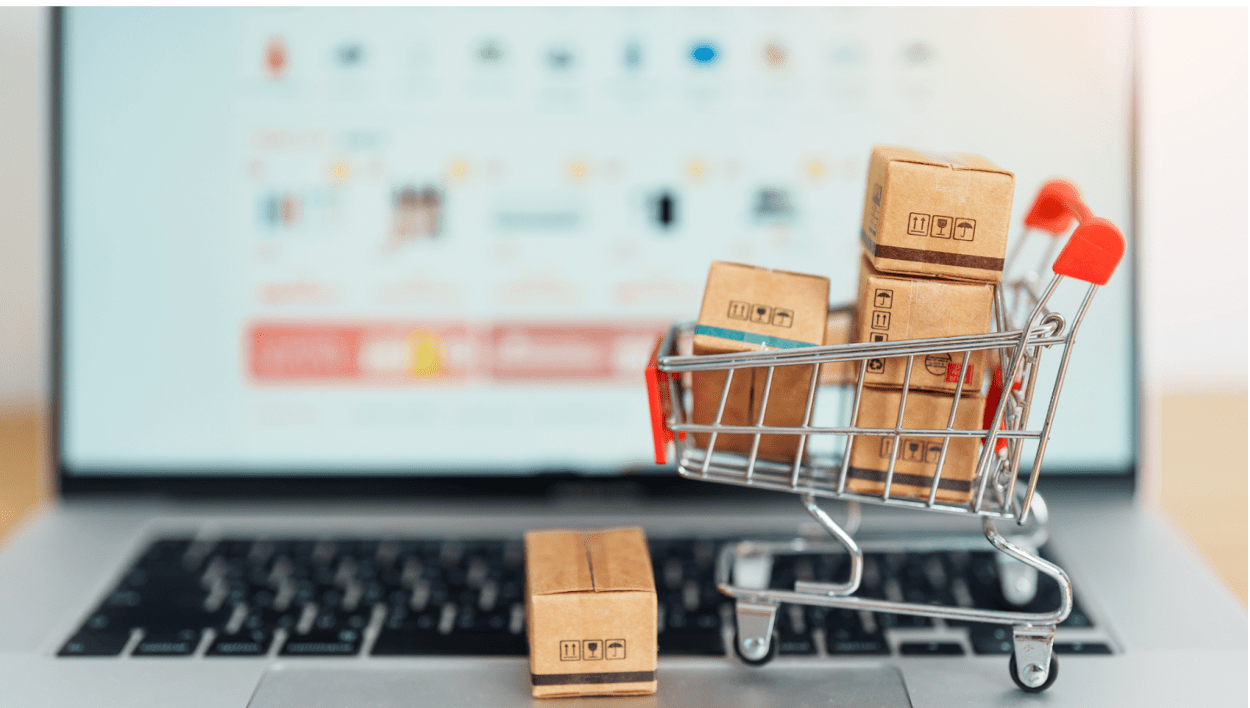
Online shopping has revolutionized the way people buy products, offering convenience, variety, and instant gratification. But behind every successful e-commerce store lies a deep understanding of consumer behavior.
The psychology of online shopping plays a crucial role in driving conversions and increasing sales. But how exactly does it work?
Understanding Consumer Behavior
Online shoppers often make purchasing decisions based on emotions rather than logic. While price and product quality matter, factors such as urgency, trust, and convenience significantly influence buying behavior. Understanding these psychological triggers allows businesses to create a shopping experience that encourages more sales.
The Power of Urgency and Scarcity
Scarcity and urgency are two of the most effective psychological triggers in e-commerce. When shoppers believe a product is in limited supply or a special deal is about to expire, they feel compelled to buy immediately. Strategies to create urgency include:
- Limited-time offers – Highlighting flash sales or countdown timers can push customers to make quick decisions.
- Low stock alerts – Displaying “Only 3 left in stock” messages encourages immediate purchases.
- Exclusive deals – Offering limited-edition products or special promotions makes buyers feel they’re getting something unique.
By combining these tactics with a repricer, businesses can adjust prices dynamically to capitalize on demand fluctuations and maximize revenue.
Competitive Pricing Strategies
Price remains one of the biggest deciding factors in online shopping. Shoppers compare prices across multiple platforms before making a decision. To stay ahead of competitors, businesses must implement effective pricing strategies, such as:
- Dynamic pricing – Adjusting prices in real-time based on demand, seasonality, or competitor activity.
- Psychological pricing – Using pricing techniques like $9.99 instead of $10 to make items seem more affordable.
- Bundling and discounts – Encouraging higher spending through bundle deals and volume discounts.
A repricer automates these pricing strategies, ensuring that products remain competitively priced without requiring constant manual adjustments. This helps businesses attract more customers while maximizing profitability.
The Influence of Social Proof
Customers trust the experiences of others, which is why social proof is a powerful tool for increasing online sales. When shoppers see positive reviews, testimonials, or high ratings, they feel reassured that they’re making a good decision. Ways to leverage social proof include:
- Customer reviews and ratings – Encouraging customers to leave feedback builds trust and credibility.
- User-generated content – Sharing photos and testimonials from happy customers creates authenticity.
- Best-seller badges – Highlighting popular products influences hesitant buyers to follow the crowd.
Social proof removes doubts and increases confidence in a purchase, leading to higher conversion rates.
Simplifying the Buying Process
The easier it is to make a purchase, the more likely a customer will complete the transaction. A complicated or lengthy checkout process can lead to cart abandonment. To improve the shopping experience:
- Offer guest checkout – Allowing customers to buy without creating an account speeds up the process.
- Minimize form fields – Asking for only essential information reduces friction.
- Provide multiple payment options – Giving shoppers various ways to pay increases conversions.
A seamless shopping experience ensures that customers move smoothly from browsing to purchasing without frustration.
The Role of Personalization
Personalization enhances the shopping experience by making customers feel valued. When shoppers receive recommendations based on their preferences, they are more likely to buy. Ways to incorporate personalization include:
- AI-driven product recommendations – Displaying related products based on browsing history encourages additional purchases.
- Targeted email marketing – Sending personalized offers and discounts keeps customers engaged.
- Customized discounts – Offering special deals based on a customer’s shopping behavior increases loyalty.
By personalizing the shopping journey, businesses can make customers feel understood and appreciated, leading to repeat purchases.
Understanding the psychology of online shopping allows businesses to create a customer experience that drives sales and builds long-term loyalty. By leveraging urgency, social proof, personalization, and competitive pricing, e-commerce stores can encourage customers to buy more.
With tools like a repricer, businesses can stay ahead of pricing trends, increase conversions, and maximize revenue effortlessly. Implementing these psychological strategies ensures that customers not only make a purchase but also keep coming back for more.