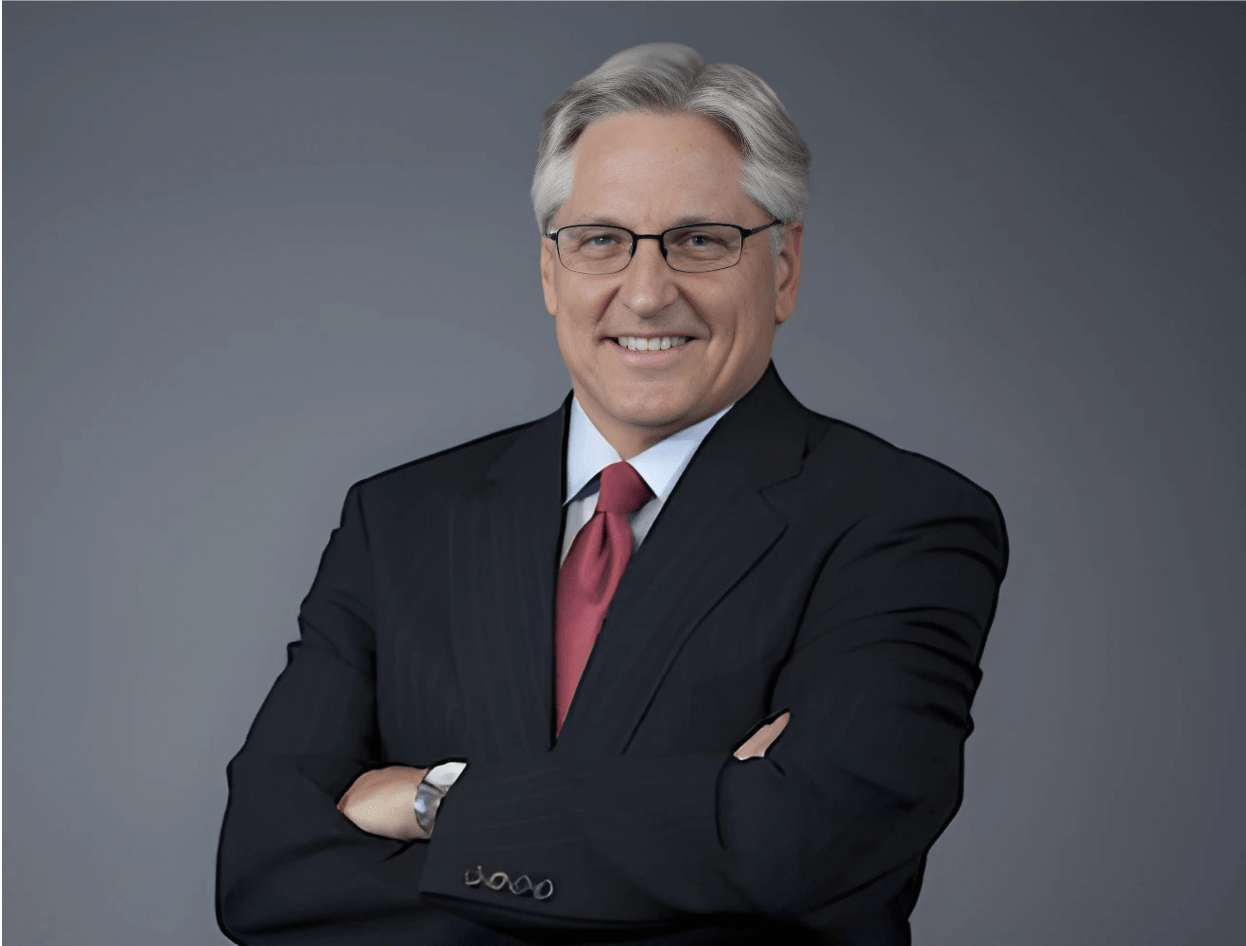
Fred DuVal is President of DuVal and Associates, a firm that advises clients in Washington, D.C., and state capitals on advancing policy initiatives. His clients have included Pfizer, Gannett-Fleming, Macquarie Infrastructure, Clean Energy Fuels, Rio Tinto Mining, and many other tech, energy, and science leaders. DuVal believes that state capitals will be critical to the future of clean energy initiatives that can slow climate change and preserve our environment.
Advancing Clean Energy Policies
The transition to a clean energy future is taking place across the globe with over 200 countries participating in climate policy negotiations that began 30 years ago in Kyoto. The United States consumes more energy per capita than any other nation and has an obligation to remain at the forefront of these talks. But to meet our climate goals, and do our part in leveling the heat index, we will need sustained federal, state and local responses. At the same time the private sector has made massive investments in the clean energy space – largely responding to the historic levels of investment made by the Biden administration.
The State and Local Role in Engaging the Community
But states must do their part. Each state has a different mix of clean energy alternatives available, be it solar in the southwest, hydro where there are rivers, wave energy on the coasts, geothermal in mountainous regions, biofuels in the agricultural parts of the country, and wind across the plains. Each state – its legislature and respective energy regulatory body – must grow with what it has available. But the root of that growth is a clean energy standard that exists as a matter of state policy. Clean energy policies at the state level should include incentives for businesses that use clean energy sources and for homeowners who abide by energy efficiency mandates. State initiatives on clean energy can create new jobs in manufacturing, installation, and maintenance, which can boost local economies.
Fred DuVal believes each state should accelerate the adoption of clean energy equal to the exponential pace of climate change. But municipalities will also be key as they address issues of climate and each is unique, be it rising seas in Miami, wildfires in California, hurricanes in the gulf or crop impacts across the Midwest. Policies available to local governments include building standards, shading, fleet electrification, power purchasing, growth corridors, to investing in innovation hubs to test new clean energy technologies while also supplying help in developing a business model and financial investment sources for SMBs, which is also critical. Over 300 Mayors now participate in the Climate Mayors initiative hosted by the National Conference of Mayors.
Battery Storage for Clean Energy
Advancing clean energy initiatives require massive amounts of minerals that enable battery storage, including copper, lithium, cobalt, vanadium, cadmium, and more. Even artificial intelligence operations, cryptocurrencies, and factory automation depend on vast data centers, which require enormous amounts of copper. Fred DuVal believes America must balance its energy independence and national security with its climate goals.
Arizona produces over 50% of the country’s copper and is a rich source of zinc, lead, lithium, and gold. The average EV requires over 200 pounds of copper. According to DuVal, unlike talent, which moves freely to reach opportunity, critical minerals are earthbound, non-transitory, and must be developed where they are.
And demand for these critical minerals will double in the next decade. But it takes an average of 18 years in the Unites States to site a new mine. This is not true in China, South America and Africa where development can occur more quickly but then is done in a manner inconsistent with our values relative to worker safety, environmental standards or our national security.
Many global mining locations are politically inhospitable for development. And, in the US, many mining sites interfere with the urban interface, some disrupt critical and endangered ecosystems, while others are geologically non-viable. So, the irony presents itself. In order to save the planet from the climate crisis, we will need to dig more of it for the critical minerals we need for the battery storage necessary. Because giving up our cell phones or our clean energy transition is not a responsible or realistic option.
We should not do it where it risks the safety of local residents or where the environmental trade-offs are too severe. But if we can’t ever find ourselves getting to yes on any mineral development, we are implicitly deciding to cast a blind eye to who will instead– and at what cost. Out of sight – out of mind is not moral leadership.